
Last updated November 23, 2026
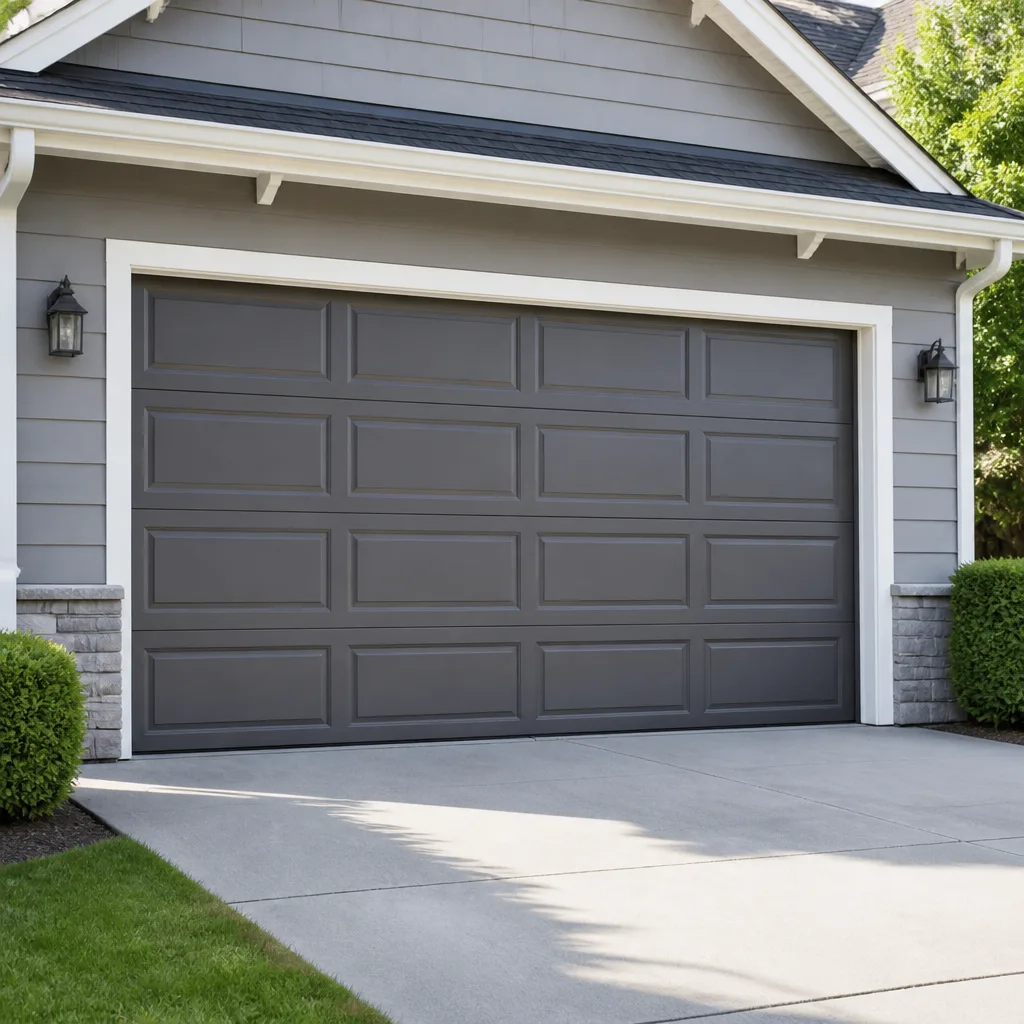 Raised-panel steel
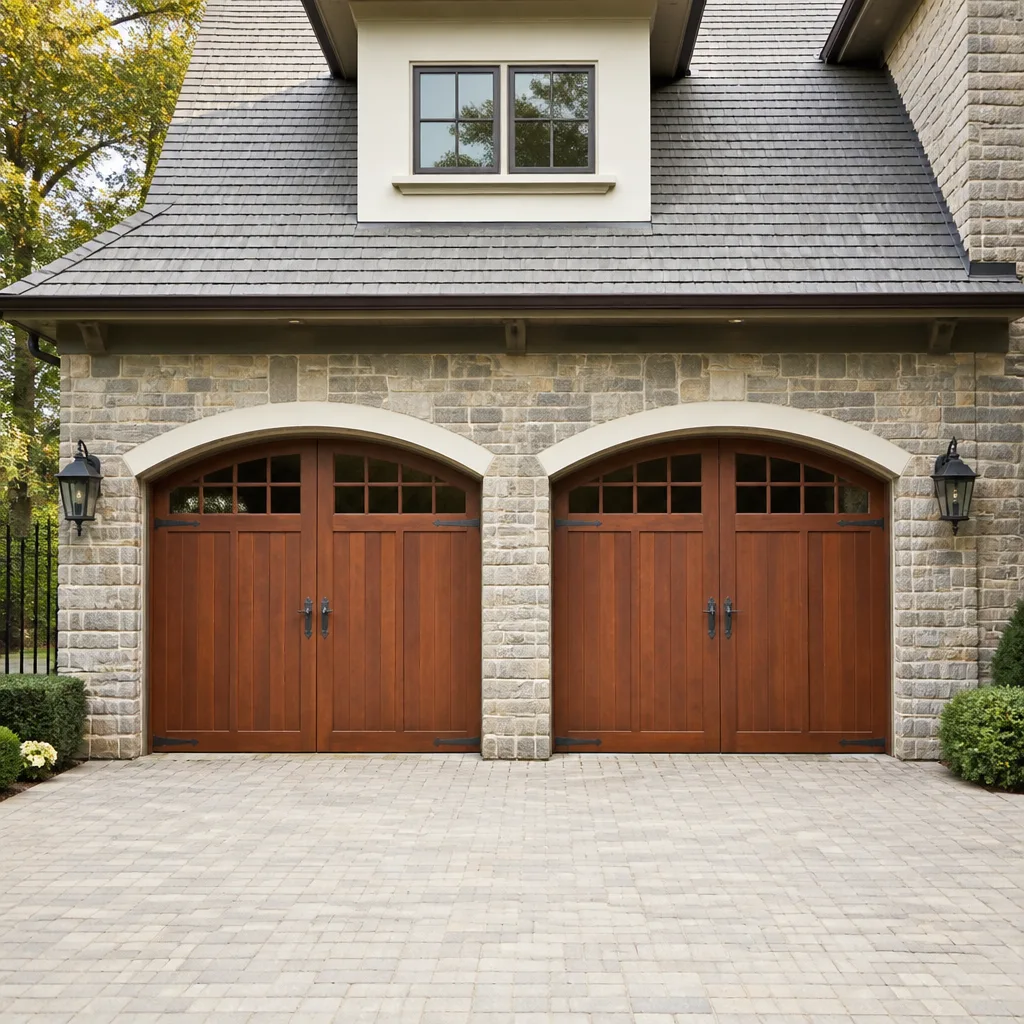 Carriage house
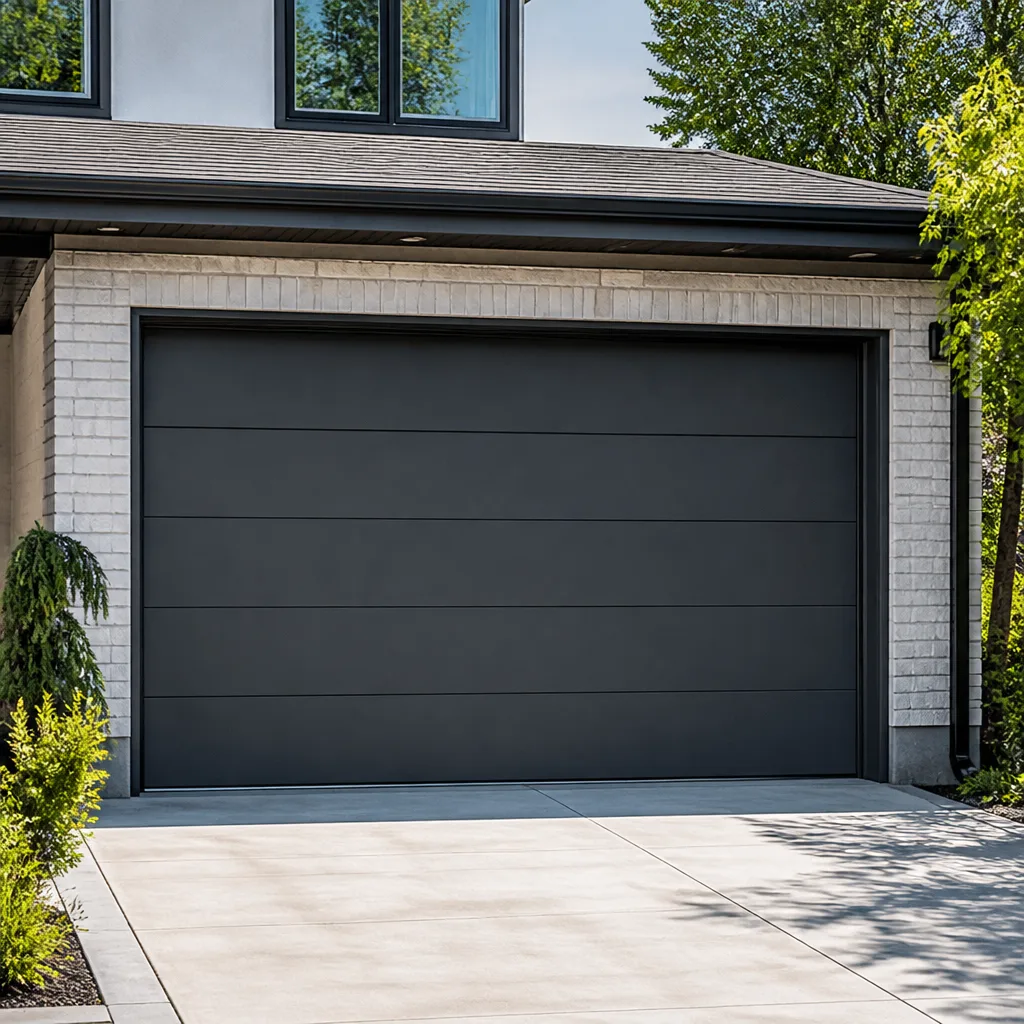 Modern flush
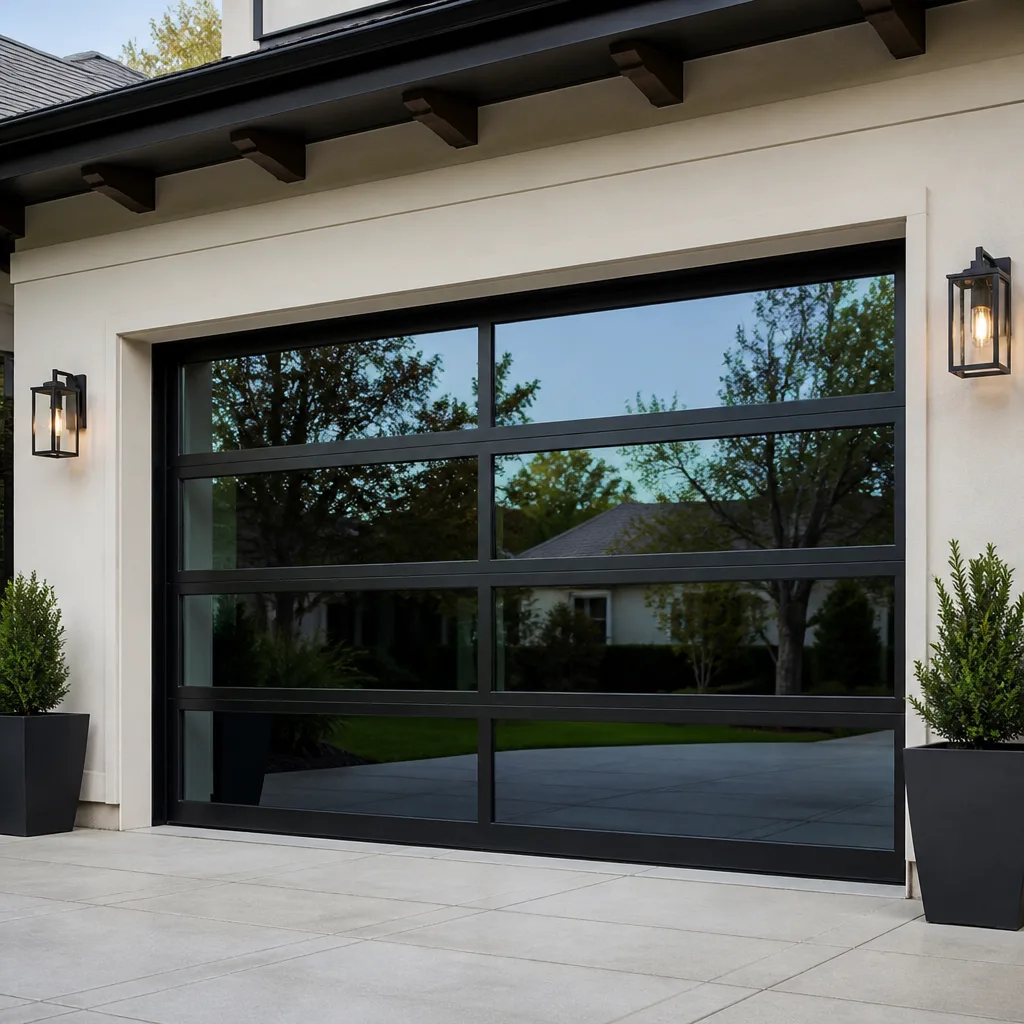 Full-view glass
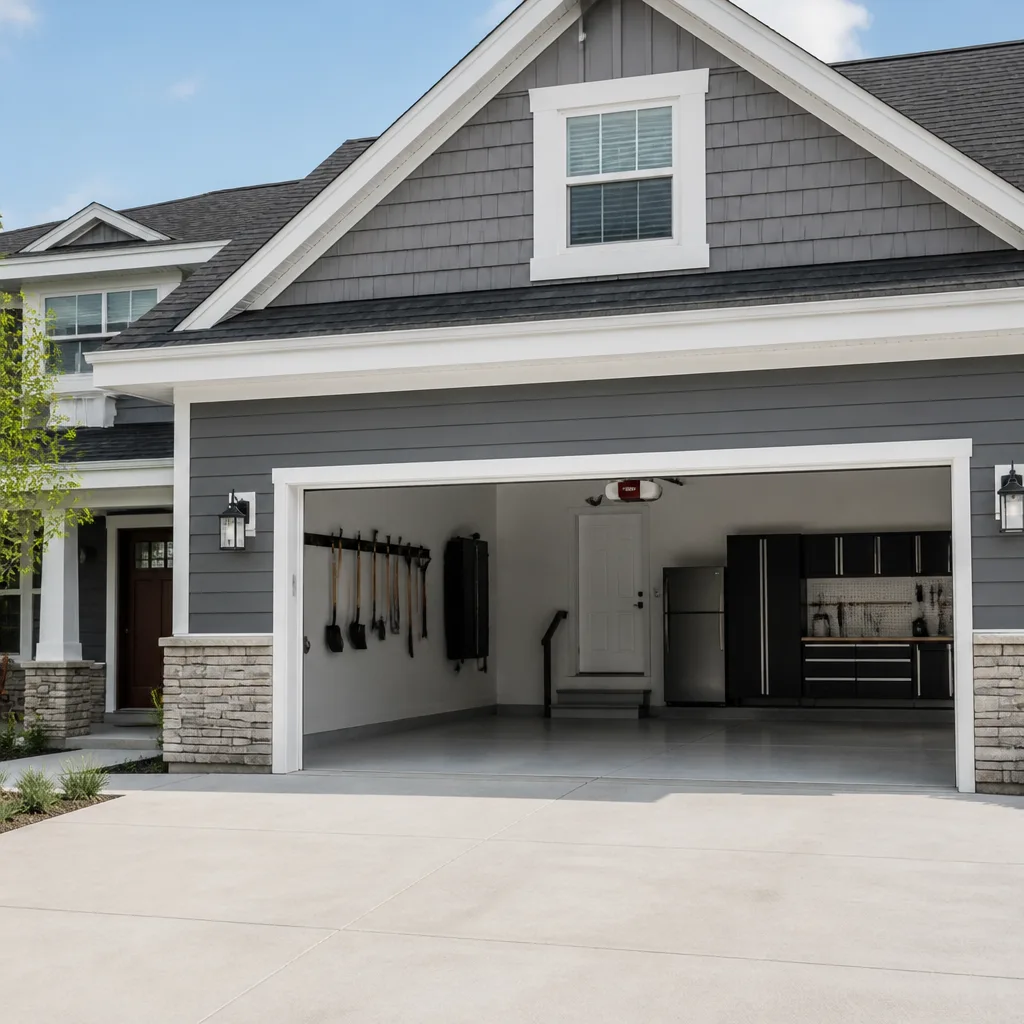 LiftMaster openers
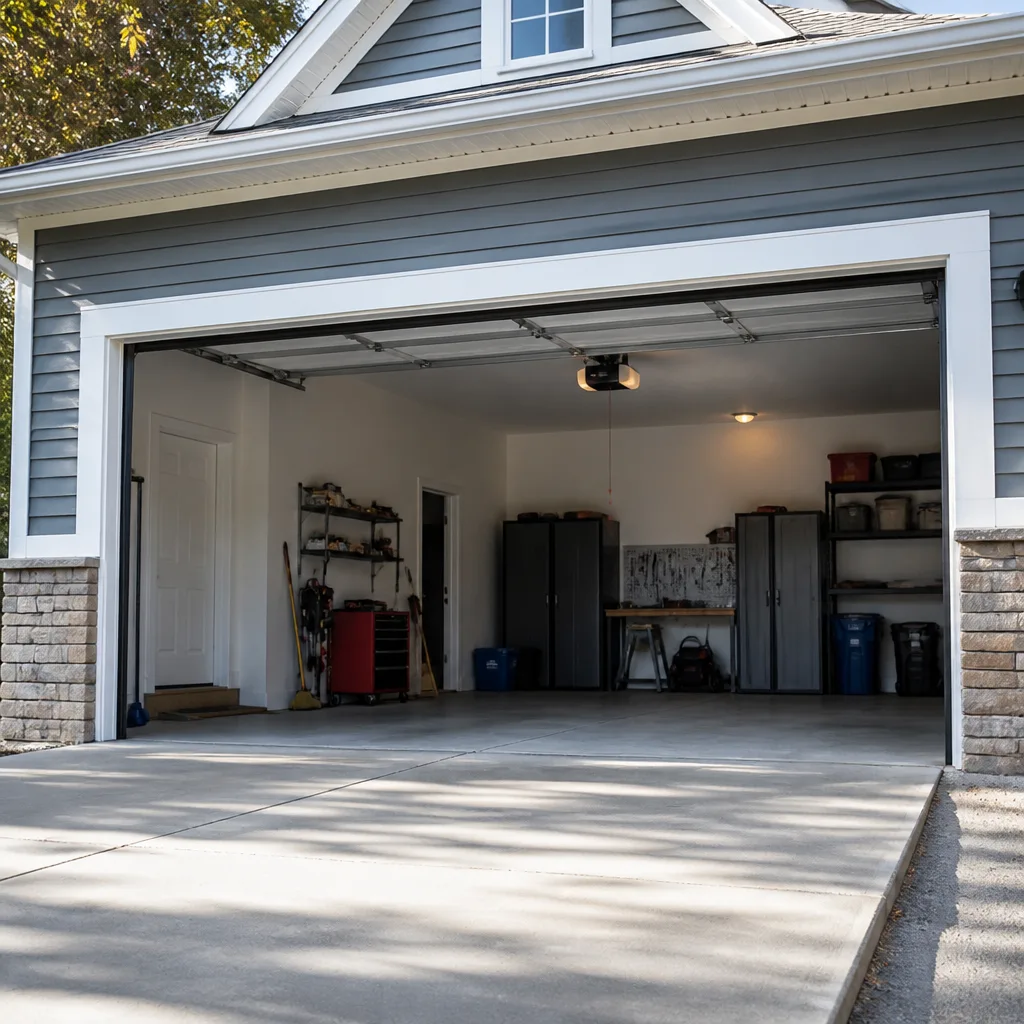 Chamberlain openers
Full 25-point door and opener safety check with every visit - springs, cables, rollers, tracks, and your LiftMaster or Chamberlain opener included
You get a price before we start. It does not change when the pro arrives.
Get your free estimateThe Complete Guide to Garage Doors in LaGrange
Your garage door is the largest moving part of your home and, statistically, the one most LaGrange homeowners know the least about, until it traps a car inside at 7 a.m. Most people treat the door like a wall: it’s just there, doing nothing, until it isn’t. The truth is that every garage door system in LaGrange is a chain of decisions. The gauge of the steel, the type of spring, the class of opener, and whether the door is attached to a conditioned room or a detached Georgia outbuilding. Those choices quietly determine what a failure costs you. This guide maps every decision point, from how Troup County humidity shortens the life of a cheap panel to when a repair stops being worth it. You’ll learn how to choose before you’re standing in the driveway under pressure.
Quick Answer
Most garage door problems in LaGrange come down to one of four things: a worn spring, a failing opener, damaged panels, or misaligned tracks. A single torsion spring repair typically costs $180 to $340, a matched pair costs about twice that, and a new opener installs for roughly $350 to $850 depending on drive type. The decisions you make before a failure, material, spring type, and opener class, determine whether that failure becomes a cheap fix or a full replacement.
Styles & brands we work with
- Raised-panel steel
- Carriage house
- Modern flush
- Full-view glass
- LiftMaster openers
- Chamberlain openers
Table of Contents
- How Georgia Humidity and Heat Cycles Affect Your Door
- Torsion vs. Extension Springs: What LaGrange Homes Actually Have
- Choosing the Right Opener Drive Type for Your Garage
- Repair or Replace? Honest Cost Thresholds
- What a Full System Replacement Actually Involves
- Storm Season and Hard Freezes: What Breaks and When
- Brand Reality: What Works on LaGrange Doors
- A Yearly Checklist for LaGrange Homeowners
How Georgia Humidity and Heat Cycles Affect Your Door
LaGrange sits in west Georgia where summer humidity hangs heavy and afternoon heat cycles the metal on your door dozens of times a day. This matters far more than color. A 24-gauge steel door and a 27-gauge steel door look identical on a showroom floor but behave very differently after several seasons of expansion and contraction. The thinner the steel, the more it dents, the faster it fatigues at the hinges, and the sooner it warps enough to bind in its tracks.
What to look for when you’re comparing doors:
- Steel gauge: Lower numbers mean thicker steel. A 24-gauge panel holds up better to heat cycling than 27-gauge or 28-gauge, which is what you’ll find on builder-grade doors in many newer LaGrange subdivisions.
- Insulation: An insulated door with a steel back doesn’t flex the way a single-layer pan does. On an attached garage that shares a wall with your living room, it also keeps afternoon heat out of the house.
- Finish and hardware: Humidity attacks untreated hinges and rollers before it touches the panels. Nylon rollers and galvanized or coated hinges last noticeably longer in Georgia air than bare steel.
- Paint adhesion: Factory-baked finishes hold up better than field-painted panels, especially on the sun-facing side of the door.
We’ve seen builder-grade doors in LaGrange that develop sag and hinge fatigue in a few short years while a heavier steel door on the same street stays square. In Troup County, steel gauge is the number that matters. Color is a preference. Gauge is a decision you live with.
Torsion vs. Extension Springs: What LaGrange Homes Actually Have
Your garage door weighs somewhere between 100 and 350 pounds, and it’s the springs, not the opener, that do the lifting. There are two systems, and knowing which one you have tells you a lot about how a repair will go and what it should cost.
- Torsion springs mount on a shaft above the door and twist to counterbalance the weight. They’re the standard on most newer construction and on heavier doors. They last longer and lift more smoothly.
- Extension springs run along the horizontal tracks on each side and stretch to do the same job. Older ranch homes across LaGrange, especially the longstanding neighborhoods near downtown, very often still run extension springs.
Which setup you have changes both hardware and safety. Extension springs are the older design and need a steel safety cable running through each spring so that if one breaks, it can’t whip across the garage. If your door has extension springs and you can’t see a cable through the middle of each one, that’s worth fixing before anything else. Torsion systems don’t need those cables, but they carry the tension on a wound shaft instead.
Here’s the part we want every LaGrange homeowner to understand plainly: spring replacement is one of the most dangerous DIY repairs on a home. A wound torsion spring holds enough stored energy to cause serious injury, and the same goes for a stretched extension spring under load. This isn’t a caution we add to sound careful. It’s why we handle spring work as a routine, practiced job and why we tell people to leave it to a specialist. When a spring lets go, you’ll usually hear a loud bang and find the door stuck, half-open or refusing to lift. That’s when it’s time to call, not to reach for a wrench.
If your door has gone down hard or won’t lift at all, that’s exactly the kind of problem our garage door spring repair technicians address routinely, and it’s usually resolved the same day. Torsion springs are quoted per spring, and because a matched pair is nearly always replaced together, expect a pair to cost about twice a single spring.
Choosing the Right Opener Drive Type for Your Garage
The opener doesn’t lift the door, the springs do. But the opener decides how loud the door is, how long it lasts, and how well it fits your particular LaGrange garage. There are four common drive types, and the right one depends on where your garage sits relative to your living space.
- Chain drive. The workhorse. Inexpensive, strong, and loud. It’s a fine match for a detached garage in LaGrange where noise doesn’t carry into the house, and for heavy doors that need a firm pull.
- Belt drive. Quieter because the belt absorbs vibration. This is what most people want on an attached garage with a bedroom above or beside it. It costs a little more than chain and is worth it if you’ll hear the door open at 6 a.m.
- Screw drive. Fewer moving parts and low maintenance. It’s a solid, steady option, though less common than chain or belt and a bit louder than belt.
- Direct drive. The motor travels along the rail itself, with fewer components to wear. Good for newer construction with standard ceiling clearance.
Two local considerations shape this more than brand. First, attached versus detached garage: an attached garage in a LaGrange subdivision prioritizes quiet, so belt drive usually wins. A detached garage or outbuilding tolerates chain drive without complaint. Second, finished versus unfinished ceiling: a finished garage with a low clearance limit needs an opener that fits under the drywall, and a torsion system with side-mount options may be the better call. If your ceiling is open and unfinished, the standard rail-and-motor setup works fine.
When an opener hums but won’t lift, or lifts a few inches and stops, that’s not necessarily a dead motor. It can be a force limit, a stripped gear, or a door that’s binding. Our garage door opener repair covers everything from a single sensor to a full replacement, and a technician familiar with your brand gets to the actual cause faster than a trial-and-error generalist.
Repair or Replace? Honest Cost Thresholds
The question we hear most in LaGrange is deceptively simple: fix it, or get a new one? The answer comes down to a couple of hard thresholds, and we’d rather you know them before anything breaks than after.
A door is usually worth repairing when:
- The problem is a single component: one spring, one opener, one set of rollers, a bent track.
- The panels themselves are square and structurally sound.
- The door is fully covered by the wind load requirement for your area, so a replacement won’t force new anchoring and track.
A door is usually worth replacing when:
- Multiple panels are damaged, warped, or rusted through at the hinges.
- The door has dented repeatedly and the steel has lost its shape at the edges, so it won’t run straight in the tracks.
- The frame and tracks are beyond straightening and the panels are hitting them.
- The spring system and opener are both at the end of their life and the panels are already worn.
Here’s a typical pricing snapshot for LaGrange, with the caveat that the written estimate always sets the final number:
| Job | Typical Estimated Range |
|---|---|
| One torsion spring, replaced | $180 – $340 |
| Matched pair of torsion springs | About twice a single spring |
| Extension spring, per side | Quote per spring |
| Opener replacement, standard | $350 – $850 |
| Cable, roller, or hinge refresh | Quoted per set |
| New door and installation, standard steel | Quoted after measure |
Two rules of thumb we give plainly. If the repair runs well under the price of a new door, repair. If the door is already structurally tired and you’re looking at a spring plus an opener plus panel damage, replacement is often the better value. On a new door there’s no same-day promise, because a measured, ordered install takes planning. On a repair, we can often be there the same day. Either way, the price is quoted and agreed before any work starts.
What a Full System Replacement Actually Involves
A full replacement isn’t just a new door hanging on old tracks. Done right, it’s a measured, sequenced job, and knowing the sequence helps you ask the right questions and avoid a cheap job that fails in two seasons. Here’s how it usually runs in a LaGrange home:
- Measure and inspect. We measure the opening precisely, check the header, the jambs, and the spring system, and note ceiling clearance. This step is free and it’s where the written price comes from.
- Choose the door and order it. Panel style, steel gauge, insulation, and window options are settled here, along with the spring and opener pairing.
- Remove the old door and hardware. The door comes down, and old tracks, springs, and opener components come off so the new system mounts to clean surfaces.
- Install new tracks and torsion system. Proper anchoring and a torsion system matched to the door’s weight matter more than most people realize.
- Hang and balance the door. The balance is the whole game. A door that’s not balanced wears the opener and the springs early.
- Install or reconnect the opener. Drive type and rail are set for your ceiling, and safety sensors get aimed and tested.
- Test and tune. Every cycle is run, limits set, and the door checked for smooth travel across the full opening.
The part a homeowner can control is step two. A door rated for the wind your area sees, with good steel gauge and a properly matched spring, is the difference. If you’re weighing a new install against a repair, our garage door repair team can tell you honestly which path makes sense for your door. Most of the time the answer is clear once we’ve looked at it.
Storm Season and Hard Freezes: What Breaks and When
LaGrange weather asks two different things of a garage door. Summer brings thunderstorms and the occasional severe wind, and the door has to hold against it. Winter brings the rare hard freeze, and metal behaves differently in cold.
On the storm side, the weak points are the anchor points and the bottom seal. Wind gets under the bottom rubber and pressure builds against the panels, and if the door isn’t properly anchored or the seal is torn, panels flex and tracks shift. Hail is uncommon here, so storm damage usually shows up as dented or bent panels from wind-driven debris rather than impact hail. If your bottom seal has gaps or is crumbling, it’s a small, cheap fix that protects the rest of the system.
On the freeze side, the metal contracts and the springs and hinges work harder. A door that ran quietly in October can sound like it’s grinding in January. Lubrication helps, but don’t put a heavy grease on the tracks themselves, since that attracts grit. The parts that need it are the hinges, rollers, and the spring coils. If your door seems stiffer or louder in cold weather, it’s not imagination and it’s worth a look before something binds.
We handle emergency calls all year because when a door won’t open or won’t stay closed, it’s a real problem. The garage is often the main entry into a LaGrange home, and a stuck door means no car, no access, and a gap in the house’s security. That’s why emergency service is a genuine offering here, not a phrase. Call (844) 543-1802. We answer 24/7. Fast dispatch from 7am to 7pm, Sunday through Friday.
Brand Reality: What Works on LaGrange Doors
Brand matters less than fit, but it matters for one practical reason: a technician who already knows your hardware doesn’t spend the first twenty minutes figuring out how it’s put together. Our technicians are trained on the eight brands that show up most in LaGrange garages: LiftMaster, Chamberlain, Genie, Clopay, Amarr, Wayne Dalton, Craftsman, and Raynor. That spread covers most of what we see, from a Clopay steel panel in a newer subdivision to an older Raynor door still running on its original setup.
What that means for you:
- Diagnosis is faster. Parts, force settings, and common failure points are known rather than discovered.
- Repair is more accurate. A Genie opener with a stripped gear and a Chamberlain with a bad travel module are different fixes, and treating them the same wastes your time.
- Parts are specific. Because garage doors are all we do, the stock and the training stay on this trade rather than spread across plumbing, electrical, and everything else.
A generalist handyman can hang a door, but the difference between correct and almost-correct shows up months later in springs that wear early and openers that strain. Garage doors are all we do, and after up to 9 years of technician experience across these brands, the routine jobs stay routine.
A Yearly Checklist for LaGrange Homeowners
You can do a surprising amount of garage door care yourself, and it costs almost nothing. The trick is knowing what’s safe to touch and what isn’t. Here’s the checklist we’d give a neighbor.
- Look at the springs, don’t touch them. A torsion spring with a visible gap or an extension spring without a safety cable are both professional fixes.
- Test the safety sensors. Put an object in the path of the door while it closes. A properly aimed sensor reverses the door.
- Lubricate the moving parts. Hinges, rollers, and spring coils on the door, keeping grease off the bare tracks.
- Check the balance. With the opener disconnected, lift the door halfway and let go. A balanced door stays put.
- Inspect the bottom seal. A crumbling or torn seal lets wind, water, and pests in, and small debris under it can trip the sensors.
- Listen. A door that’s gotten louder or is grinding is telling you something is worn before it fails.
Anything on that list that turns into a spring, cable, or opener problem is the right time to bring in a specialist. Our Garage Door Repair LaGrange page covers the full range of repairs we handle, from a single hinge to a complete system.
Common Mistakes to Avoid
- Choosing color before gauge. A homeowner picks a door by look, but in LaGrange humidity the steel gauge decides how long that look lasts. Ask for the gauge number before you fall in love with a panel.
- Replacing one spring in a matched pair. When one torsion spring breaks, the other is usually just as worn, and installing one fresh spring next to a tired one throws the door out of balance. A pair is replaced together, and the cost is about twice a single spring.
- Reaching for the torsion spring with a wrench. This is the highest-tension part of the whole system and the most dangerous DIY repair on a home. A wound spring can cause serious injury, and this is one job to leave to a specialist.
- Running a door that’s binding in its tracks. A door that drags wears the opener and the springs faster, and a bent track that’s ignored eventually damages the panels. Fix the track before you replace the motor.
- Ignoring the safety sensors. A misaligned sensor is the most common “my door won’t close” call we get, and it’s a small, quick fix. A reversing failure is a real safety issue, not a nuisance.
- Putting grease on the tracks. Heavy grease on bare tracks collects grit and grinds the rollers. Lubricant belongs on hinges, rollers, and coils, not the track surface.
- Buying a cheap opener for a heavy door. A budget chain drive under a solid insulated door in a LaGrange bedroom-above-garage layout will strain and wear early. Match the opener to the door’s weight and the noise your house can tolerate.
See the difference
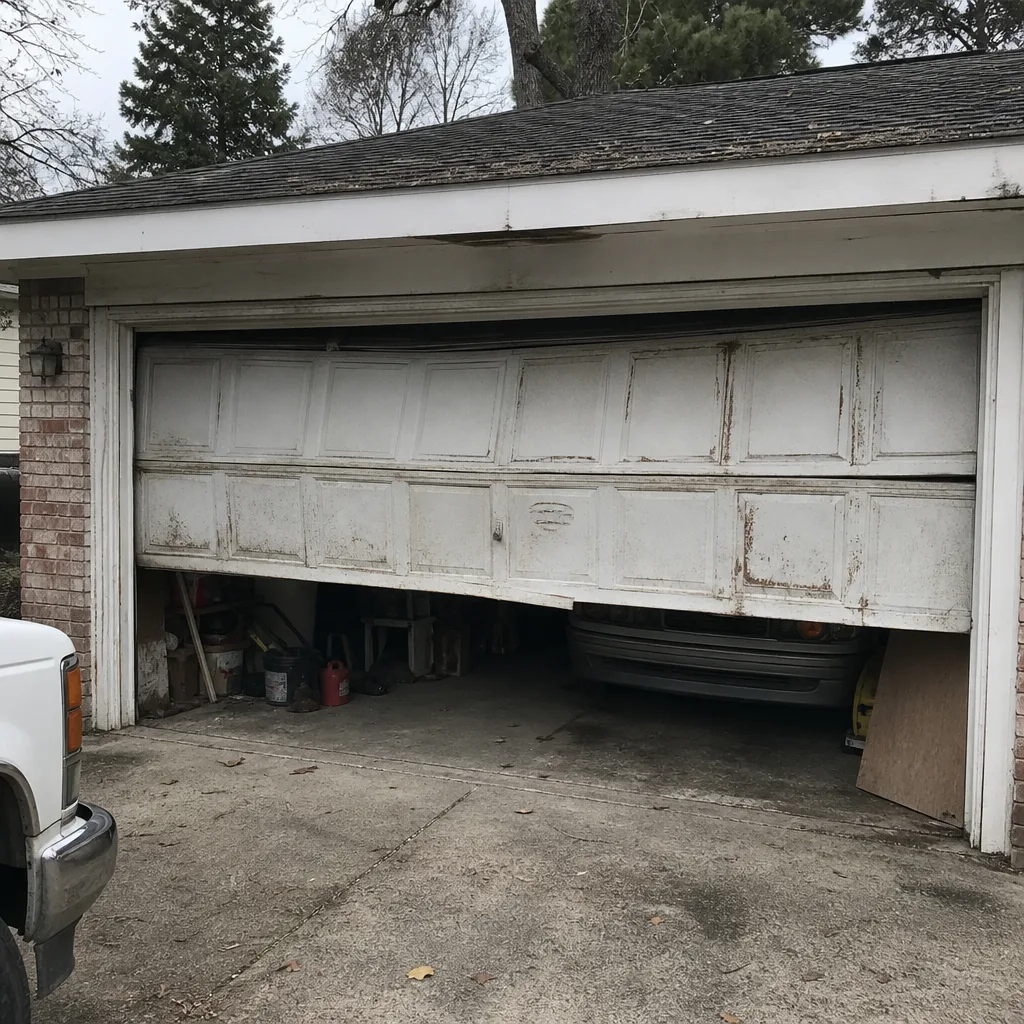 Before
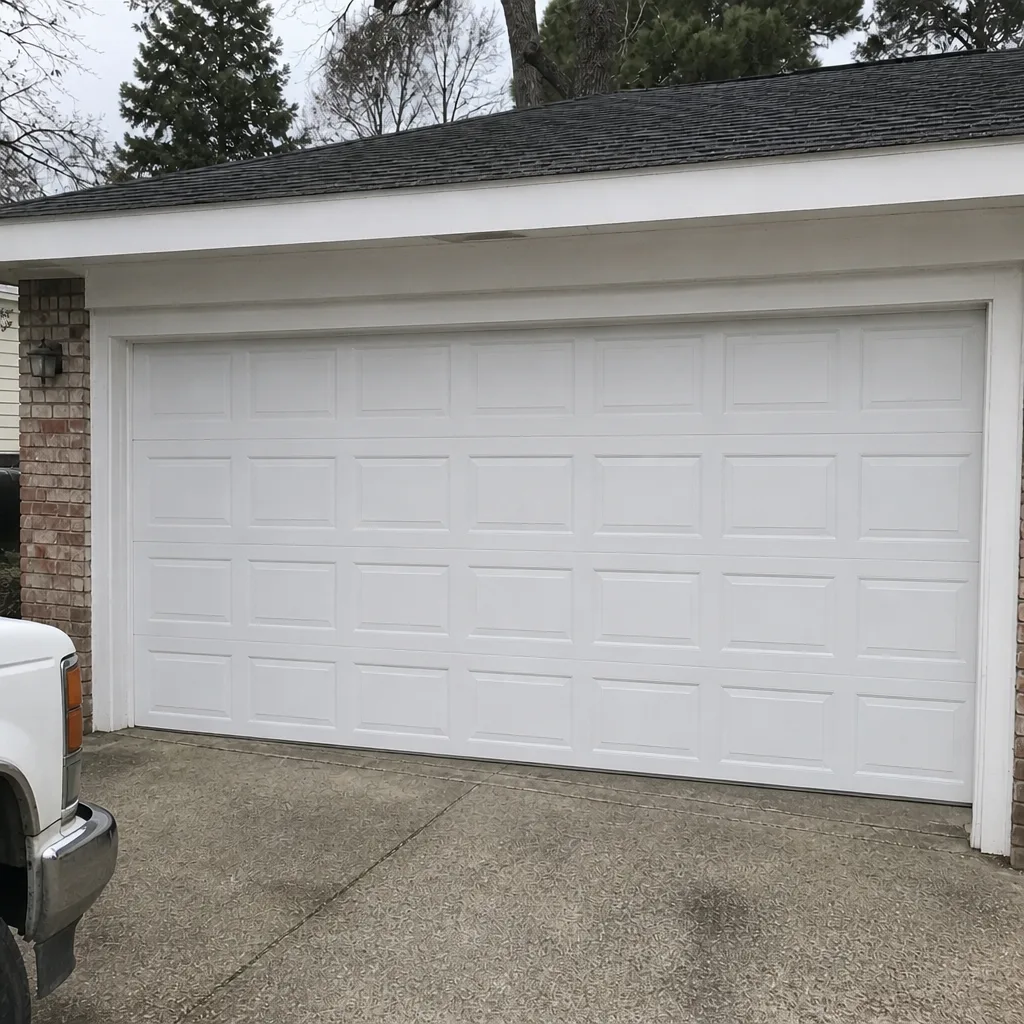 After
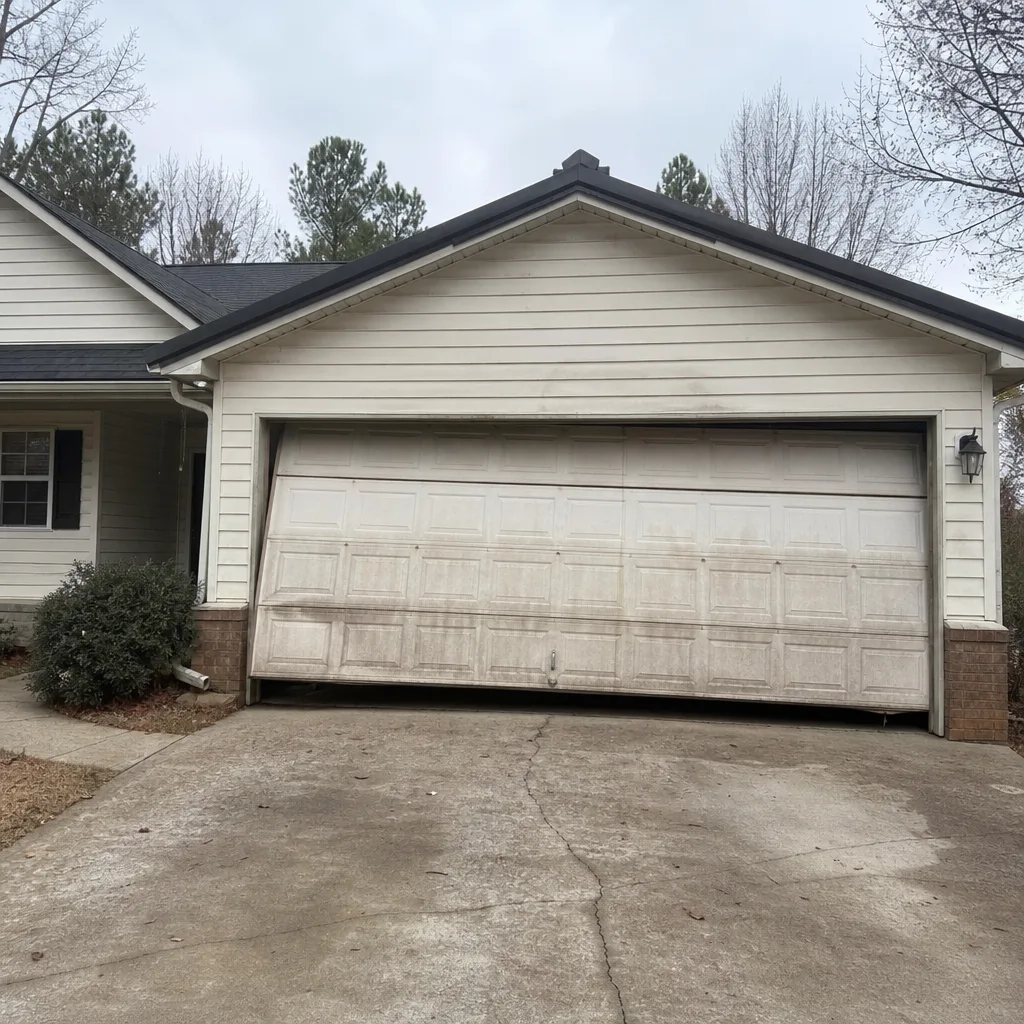 Before
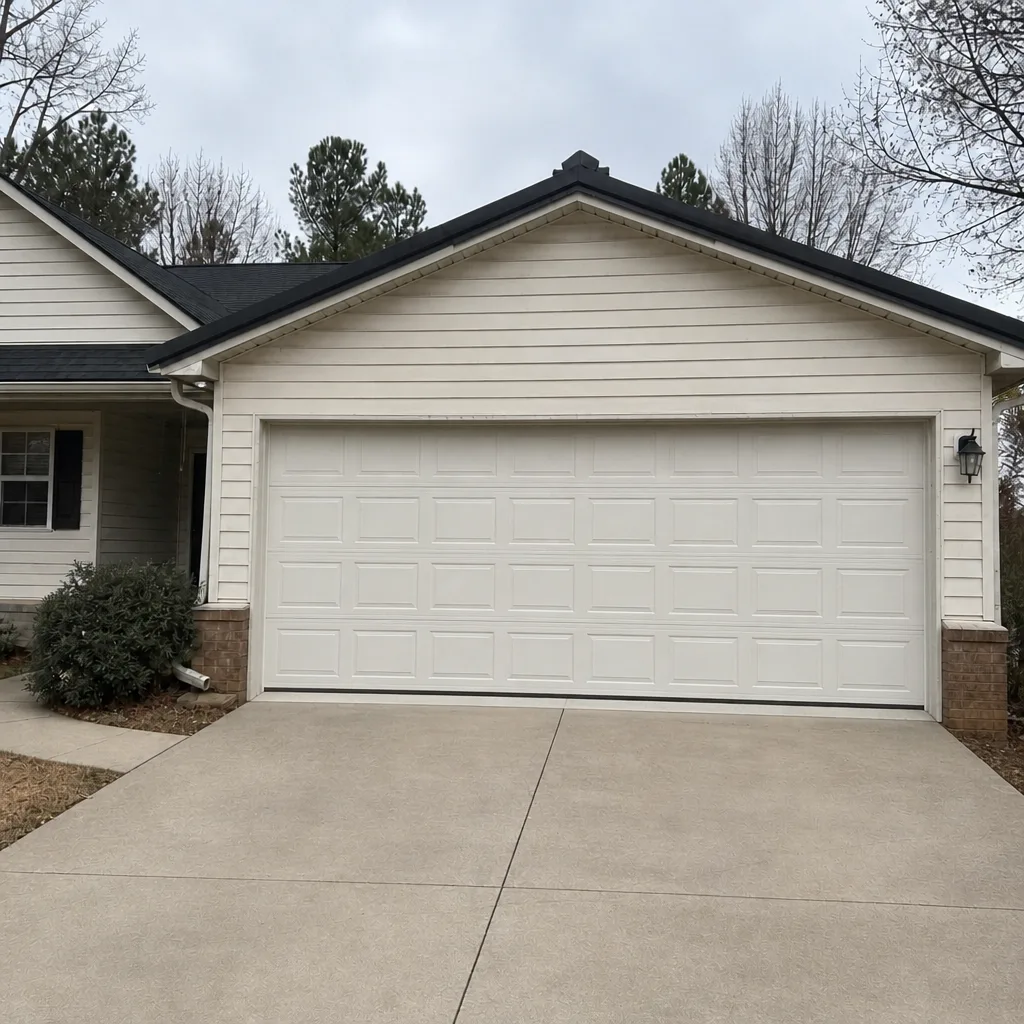 After
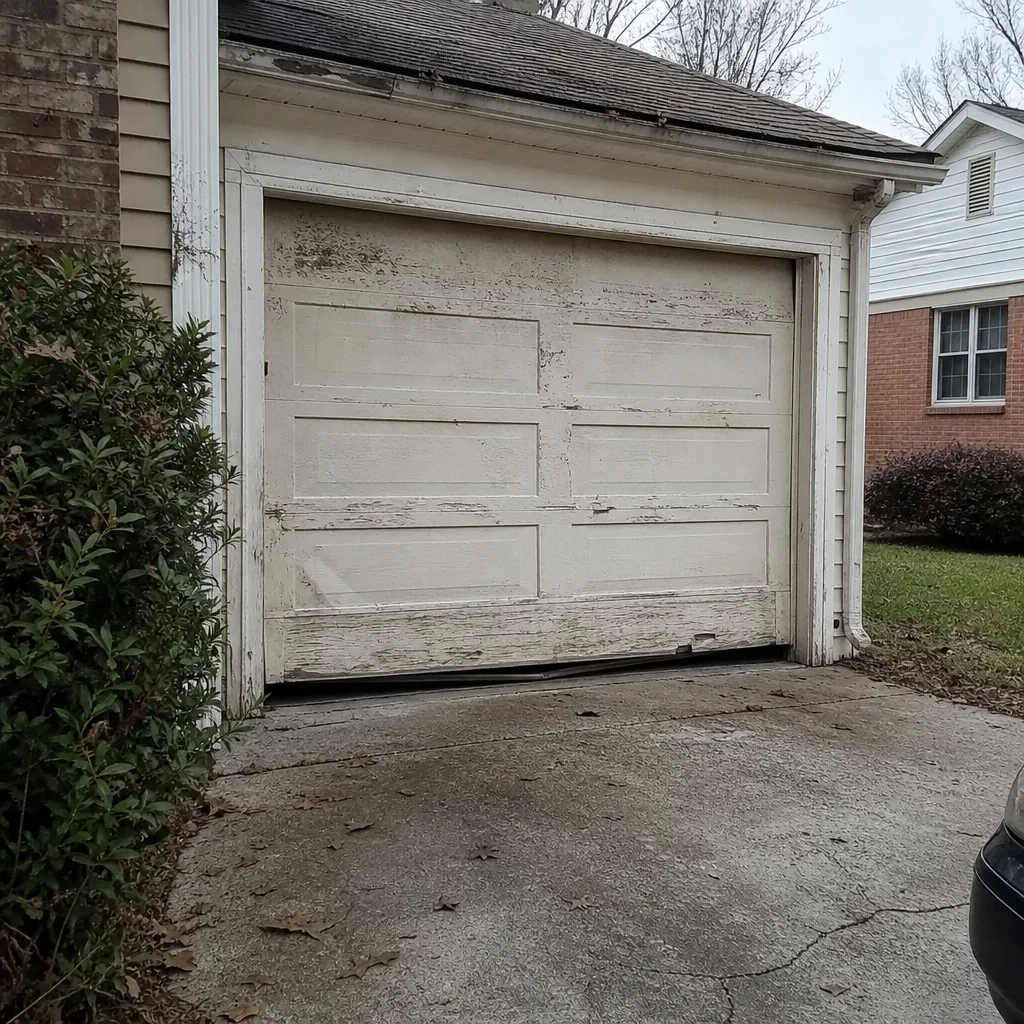 Before
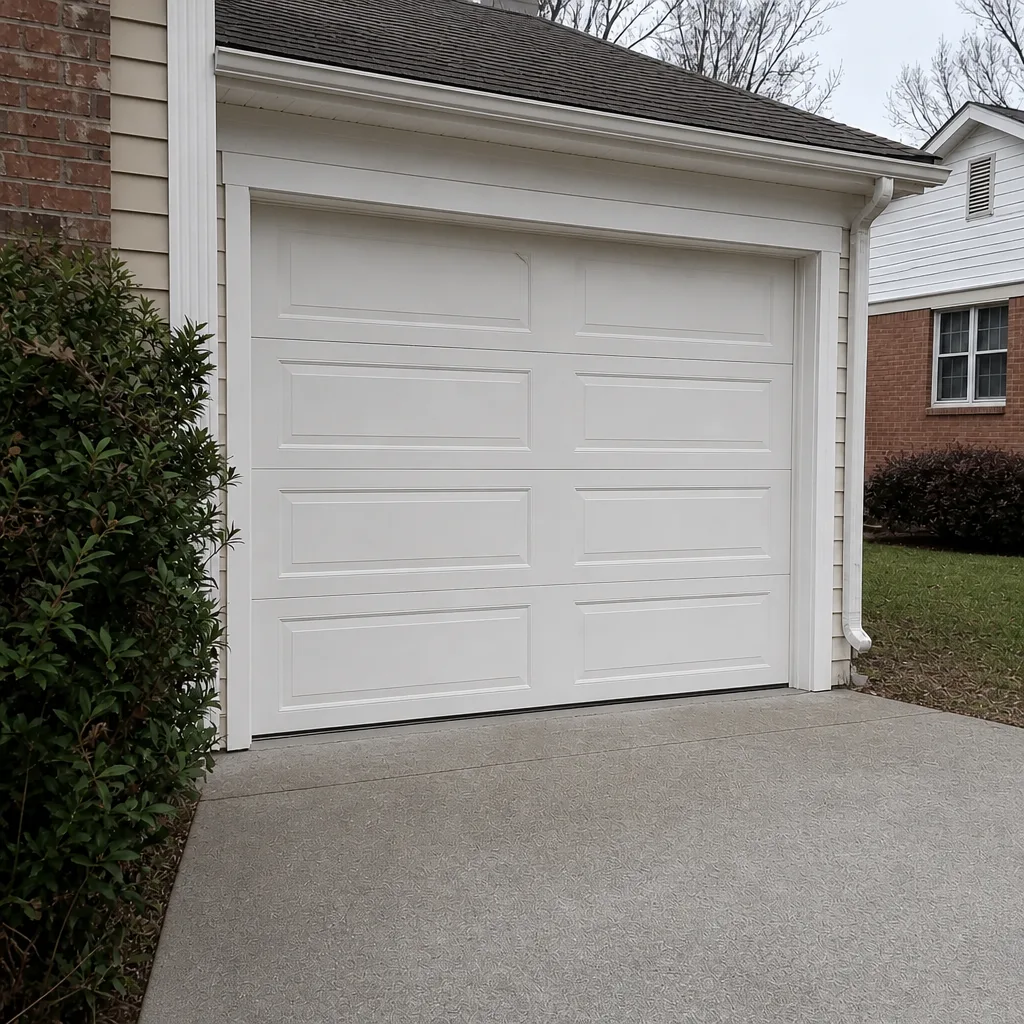 After
When to Call a Professional
Some of this you can handle. Some of it you shouldn’t. Call a professional when a spring has snapped, when a cable is frayed or off its drum, when the opener hums but won’t lift, when the door is off its tracks, or when a door won’t stay closed, because that’s a security gap, not a maintenance item. Also call if the door has been getting louder or binding for weeks. Those small signals are what turn a modest repair into a full replacement. For garage doors in LaGrange, Garage Door Repair LaGrange offers free estimates, and the price is agreed before any work starts, so you never get a surprise invoice. Call (844) 543-1802. We answer 24/7.
Frequently Asked Questions
One torsion spring typically costs $180 to $340 to replace, and a matched pair usually runs about twice a single spring because the pair is replaced together. Extension springs are quoted per side. The written estimate sets the final price, and it’s agreed before any work starts. Call (844) 543-1802 for an exact quote, estimates are free.
In most cases, yes. A stuck, broken, or unsecured door is treated as an urgent job, and same-day repair is common for straightforward fixes like springs, cables, and openers. Call (844) 543-1802 for a time, we answer 24/7, and dispatch runs 7am to 7pm, Sunday through Friday.
No. We quote the job before any work begins, and the written estimate is the price. If we find something that changes the scope once we’re on site, we stop and tell you before doing anything else, so you decide what gets done and what it costs. Call (844) 543-1802 for an exact quote, estimates are free.
The local professionals we connect you with are licensed and insured as their state requires, and we work only with vetted pros. Our technicians have up to 9 years of experience across the major door and opener brands. Call (844) 543-1802 and we’ll take care of the details.
Repair when the problem is a single component and the panels are sound. Replace when panels are warped, rusted through at the hinges, or the frame and tracks are beyond straightening, or when the spring, opener, and panels are all at the end of their life at once. Call (844) 543-1802 and we’ll give you an honest read on both paths, estimates are free.
About once a year is a good rhythm for a LaGrange home, and it’s worth a check before and after the hot season and before any cold snap. A yearly look catches worn rollers, a tired spring, and a misaligned sensor before they fail. Call (844) 543-1802 to schedule a service visit.
The Bottom Line
Your garage door is a system, not a single part, and the choices you make before something fails decide what a failure costs you. Steel gauge matters more than color in LaGrange humidity. Torsion and extension springs behave very differently, and knowing which you have tells you what a repair will look like. Opener drive type should match whether your garage is attached or detached and finished or not. Repair is the right call when it’s one component; replacement is the right call when panels and hardware are tired together. And when a spring goes or the door won’t stay closed, that’s a job for a specialist. The written estimate is the price, agreed before work starts.
When your door needs attention, whether it’s a snapped spring or a full new install, call Garage Door Repair LaGrange at (844) 543-1802 for a free estimate. We answer 24/7. Fast dispatch from 7am to 7pm, Sunday through Friday.
Written by the team at Garage Door Repair LaGrange.