
Last updated November 23, 2026
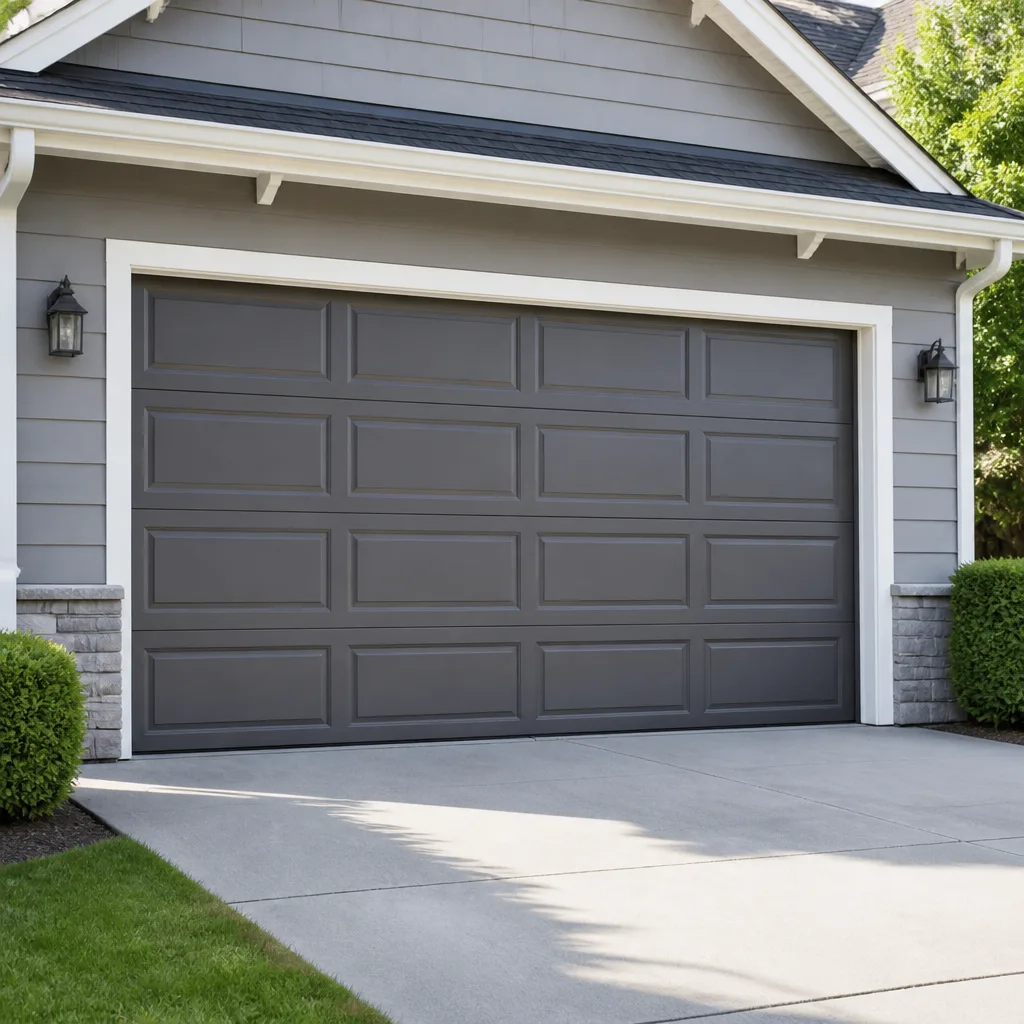 Raised-panel steel
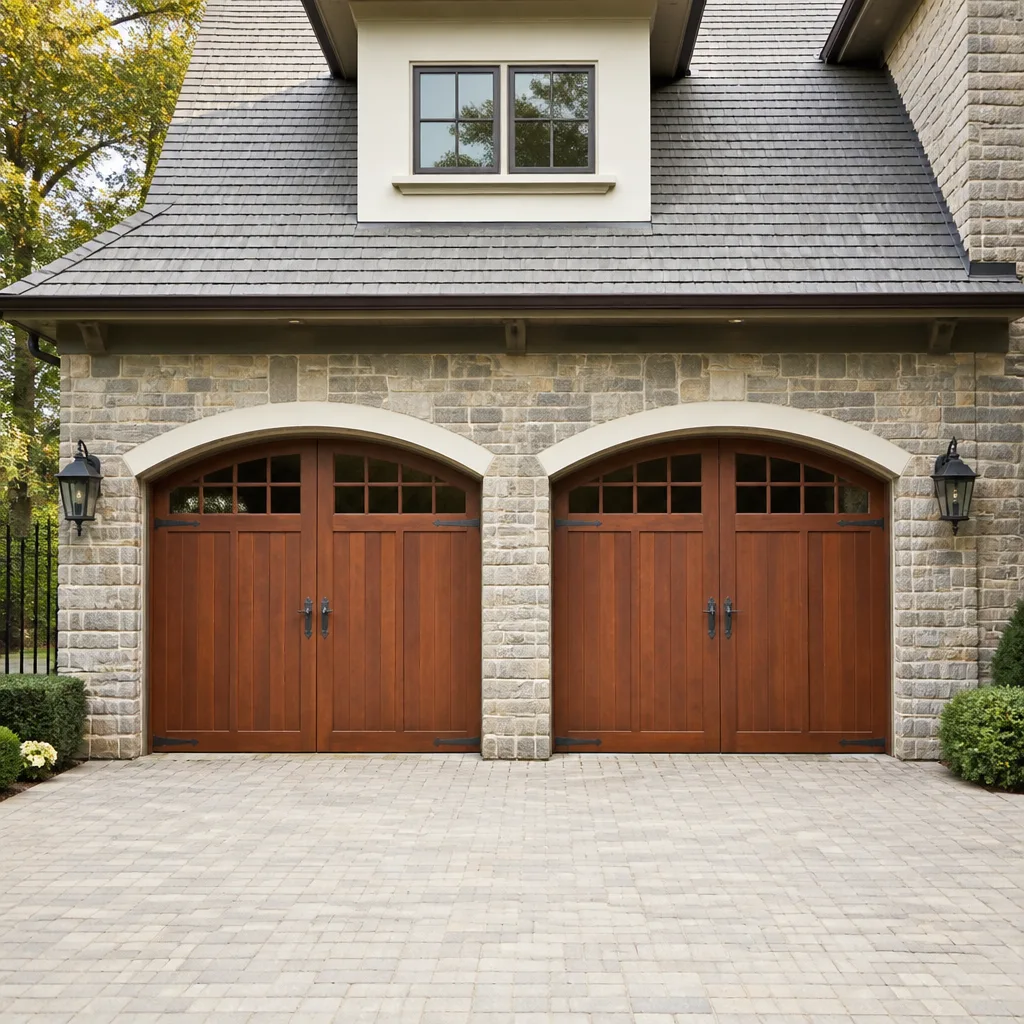 Carriage house
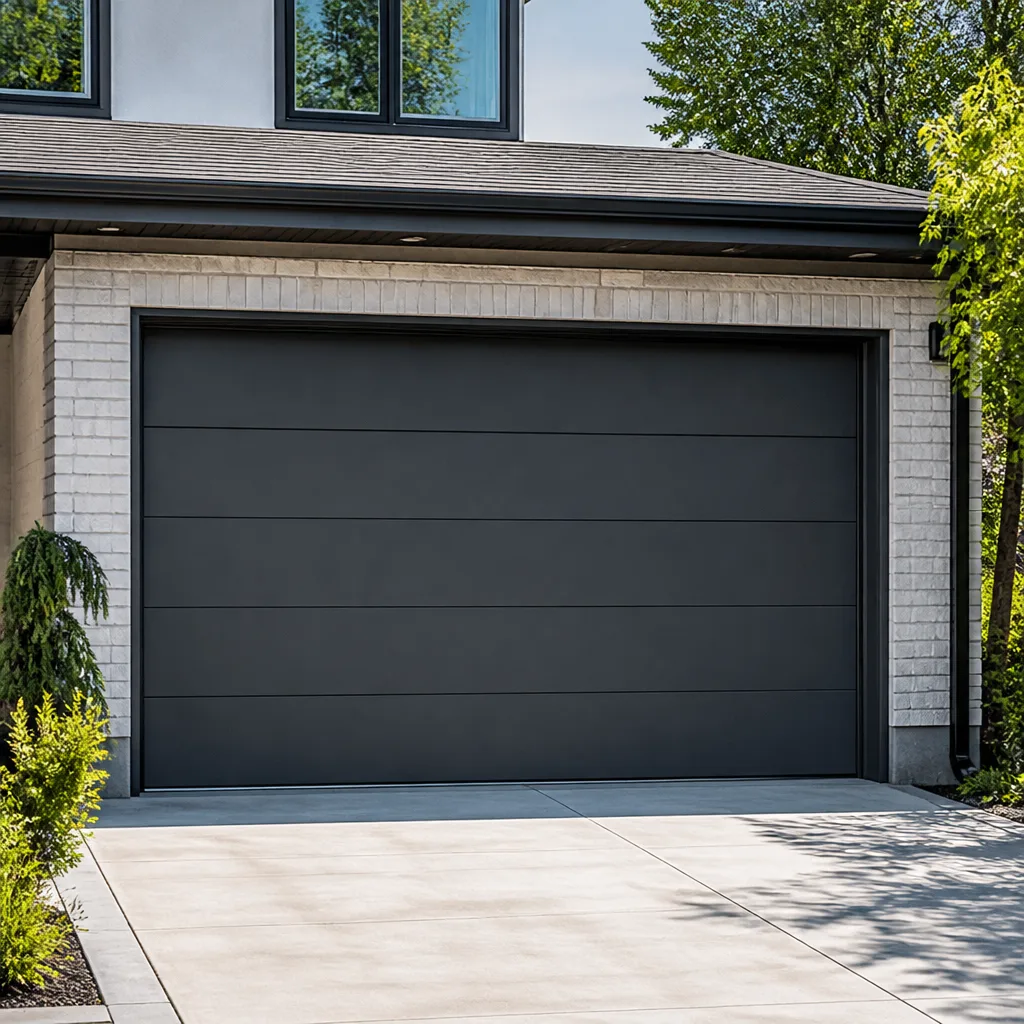 Modern flush
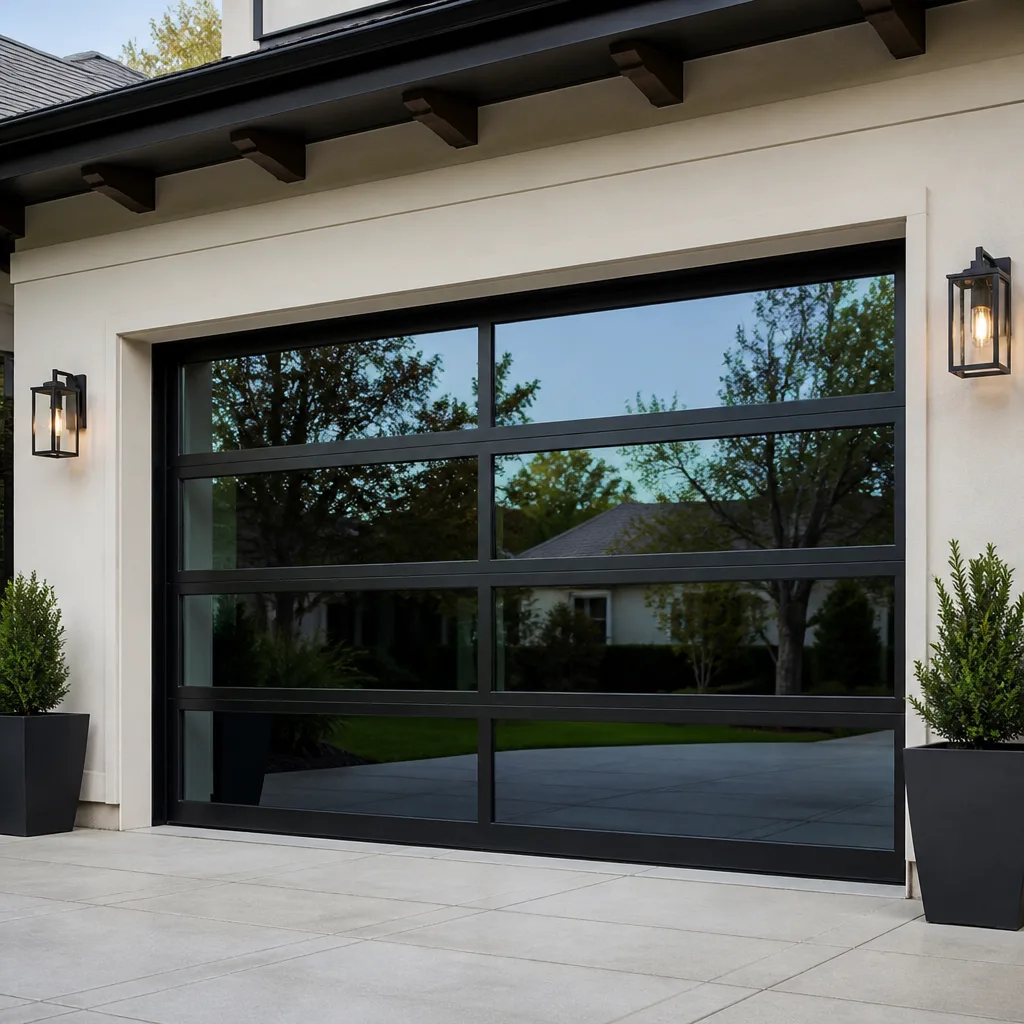 Full-view glass
 LiftMaster openers
 Chamberlain openers
Full 25-point door and opener safety check with every visit - springs, cables, rollers, tracks, and your LiftMaster or Chamberlain opener included
You get a price before we start. It does not change when the pro arrives.
Get your free estimateGarage Door Emergency Preparedness Guide for LaGrange Homes
The manual release cord on your garage door opener does one job. Pulled correctly, it disconnects the door from the opener so you can lift it by hand. Pulled wrong, it can leave the carriage stuck in a position the opener won’t recognize, and now a power outage has turned into a service call. It’s one of the smallest parts on the whole system and one of the most misunderstood.
We’ve watched this play out across LaGrange more times than we’d like. A storm rolls through, the power flickers, someone yanks the red cord, and the door ends up worse off than before the outage. The good news: none of these situations require special tools or a technician’s brain to prepare for. A few minutes of knowing what to do, and where the danger actually lives, changes the whole outcome.
This guide covers the manual release, what to do when a spring lets go mid-cycle, tornado-season door protocol for LaGrange, the information to have ready before you call, and how to secure a failed door until help arrives. It’s written for people who use their garage as a front door, which in this part of Georgia is most of us.
Quick Answer
Garage door emergencies in LaGrange come down to three things: know how to use the manual release without jamming the carriage, never force a door after a spring or cable breaks, and keep the door closed and locked during severe weather. When any of those lines get crossed, stop operating the door and call a specialist. The right first move is almost always to leave the door alone.
Styles & brands we work with
- Raised-panel steel
- Carriage house
- Modern flush
- Full-view glass
- LiftMaster openers
- Chamberlain openers
Table of Contents
- How the Manual Release Works (and How to Reset It)
- When a Spring Breaks Mid-Cycle
- Tornado Warnings and Garage Door Protocol in LaGrange
- What to Have Ready Before You Call
- Securing a Door That Failed Open Overnight
- Power Outages, Opener Faults, and What They Tell You
- Preventive Checks for LaGrange Homes
- Common Mistakes to Avoid
How the Manual Release Works (and How to Reset It)
The manual release exists for exactly one scenario: you need to open the door by hand with no power to the opener. It’s a red cord or handle hanging from the trolley that rides the rail. Pulling it disconnects the trolley from the carriage, and the door becomes a plain counterbalanced panel you can push up and pull down. Correctly done, that’s all it takes.
Where people go wrong is pulling the cord while the door is partly open. If you disconnect the carriage while the door is up and the springs are wound, the door is now free-hanging on its track. It can slam down or drop unevenly, which is how cables jump their drums and tracks bend. The safe version:
- Stand clear of the door’s path before you touch anything.
- Close the door fully with the wall button if the opener still has power. If there’s no power, let gravity and the springs carry it down gently; don’t help it.
- Pull the release cord straight down, once, firmly.
- Test the door by hand slowly. It should lift with steady resistance and stay where you leave it. If it drops fast or feels loose, stop and treat it as a spring or cable problem.
The step most homeowners skip comes after the power returns. The opener won’t respond to the remote because the carriage is still disconnected. You have to re-engage it manually. On most openers, that means raising the door partway by hand and pushing the carriage back toward the opener until the trolley snaps into the carriage. Run the opener once with the wall button to confirm it catches, then cycle the door up and down a full round. If the door travels a few inches and stops, or the opener runs but the door doesn’t move, the carriage didn’t seat. Don’t keep pressing buttons hoping it takes. That’s when a technician needs to look at it.
If your opener is a Genie or a LiftMaster, the re-engage motion is similar but the release mechanism looks a little different on each. Knowing which one you have saves a phone call. For the models we see most in LaGrange, the reset is a mechanical snap, not a setting. When in doubt, our team handles garage door opener repair on all the major makes and can walk you through the reset.
When a Spring Breaks Mid-Cycle
A spring breaking sounds like a gunshot inside the garage. Homeowners describe it as something falling through the ceiling, and then silence. The door usually stays wherever it was in the cycle, sometimes halfway up with the opener still whining. What you do in the next minute matters.
The safest way to get a door with a broken spring to the closed position is almost always to leave it open and call for help. Your instinct will be to push it down so the house is secure. Resist that instinct. With a torsion spring broken, the door has lost most of its counterbalance, and one side carries weight the cables and track weren’t designed to hold alone. Pushing it down by hand is how a bent track or a snapped cable turns a one-part repair into a bigger one.
Better options, in order:
- Stand clear and don’t touch it. Call us or a specialist. A door stuck open is a security question, not a mechanical one, so deal with security first (see the overnight section below).
- If the opener still works and the door is only a foot or two off the floor, try one cycle with the wall button to bring it down. If it hesitates, strains, or runs unevenly, stop. Don’t force it.
- Never lift or lower a spring-broken door by hand over your head. The cables are under tension and the door can come down fast.
LaGrange’s humidity and summer heat cycles springs pretty hard, and heat is one of the things that shortens a spring’s life. Most spring failures happen when the door is on its way up in the morning or on its way down in the evening, which is exactly when you’d rather not be dealing with it. Spring replacement is a job for a trained technician because the torsion bar stores enough energy to injure someone in an instant. It’s a repair we handle routinely, and it’s one of the reasons we focus on garage door spring repair as its own service rather than a sideline. One spring is one spring; a matched pair usually gets replaced together, since a new spring next to a tired one tends to fail sooner than either would alone.
Tornado Warnings and Garage Door Protocol in LaGrange
LaGrange sits in a part of Georgia where spring and fall bring real severe-weather risk, and the garage door is the largest opening on most homes. During a tornado warning or a severe thunderstorm with high wind, the safest position for your garage door is fully closed and manually locked. Not cracked for airflow. Not left partly up with the car half in. Closed and locked.
The reason: an open or partly open garage door acts like a giant sail. Wind pressure on the inside of the door and on the roof above the opening is one of the ways a garage can lose its structure. A closed door that’s locked gives the wind a solid face to push against, which is what the door frame is built for. A door that’s free to lift is a different story.
If you’re expecting severe weather, do these checks before it arrives:
- Close the door completely and confirm the bottom seal touches the floor evenly.
- Engage the manual lock if your door has a slide bolt or lock bar. Electric openers don’t have a mechanical lock in normal use, so this step is for doors with a manual latch.
- Disconnect the opener only if you have to. Normally the opener’s drive holds the door in place, which is enough.
- Clear the area in front of the door inside the garage so nothing blocks it from closing.
- Keep the garage door remote off your car dash and on a hook near the entry door, so it doesn’t get triggered accidentally during the storm.
After a storm passes, before you run the opener, walk the door. Lift it by hand a few inches and listen for scraping or uneven travel. Look along the tracks for anything out of line. If the door runs rough, the opener can sometimes hold and move a misaligned door just enough to do more damage. On high-wind days, a door that’s come off a roller or bent a hinge is best left alone until a technician sees it. We handle Garage Door Repair LaGrange for exactly these after-storm calls, because a door that won’t close after a wind event is usually a worn hinge, a popped roller, or a track knocked out of plumb rather than anything electrical.
What to Have Ready Before You Call
The fastest way to get accurate help on a garage door emergency is to have five pieces of information in hand before you dial. It saves back-and-forth and gets the right parts and the right technician on the job sooner.
- Door brand and model. Clopay and Amarr doors are common around LaGrange, and both have parts that fit only their own hardware. The brand is usually on the door’s inner face or a sticker on the bottom panel.
- Opener brand and model. LiftMaster, Chamberlain, Genie, Craftsman, and Raynor are openers we work with often. The model is on the back or side of the motor unit.
- Spring type. Torsion spring (a wound bar above the door), extension spring (springs running along the track), or a TorqueMaster-style enclosed spring. A photo of the spring assembly works.
- What the door is doing. Does the opener run but the door doesn’t move? Does it reverse partway up? Is it stuck open, stuck closed, or slamming? Describe the behavior, not the cause.
- Your address and the type of door. Single-car or double-car, insulated or not. This affects the parts and the quote.
Have that list ready and the call goes a lot faster. We answer 24/7. Fast dispatch from 7am to 7pm, Sunday through Friday. A call outside those dispatch hours is booked into the next opening, Sunday through Friday, 7am to 7pm. If you’re calling about something that failed over the weekend, having the model numbers in hand means the first call on Sunday morning is the only one you need.
The price you’ll hear is a written estimate, agreed before any work starts. We give it in writing so there’s no guesswork. Every quote is free.
Securing a Door That Failed Open Overnight
A door stuck open at night is a security problem first and a mechanical one second. You don’t need tools to make it safe until a technician arrives. You need to either block the opening or make the door look like it’s not worth walking into.
The practical options, no tools required:
- Park a car in the opening. If you can get a vehicle into the garage or across the threshold, do it. A car parked nose-in blocks a surprising amount.
- Use a manual lock or slide bolt if your door has one. Lock it in the open position so it can’t be easily pushed up further, and block the tracks with something heavy against the bottom of the door on the inside.
- Put a piece of furniture or a heavy bin against the door from inside. It’s not a lock, but it’s a noise maker. If someone pushes the door, the movement is loud.
- Turn on exterior lights on that side of the house. Lights on the alley or driveway are a cheap deterrent, and they don’t require anyone to get on a ladder.
- After the power comes back, re-engage the opener and try one cycle. If the door runs down normally, you may just have a power outage problem, not a door problem.
If the door failed open and it’s already nighttime, and dispatch isn’t running, book it for the next opening. The door will likely hold until then with the steps above. If it’s the middle of the day and the door won’t stay down, call right away. Garage Door Repair LaGrange offers a genuine emergency response for situations where a door is stuck open or won’t close, because that’s a safety matter, not a maintenance one. We’ll give you a clear time window and a written estimate before we start.
Power Outages, Opener Faults, and What They Tell You
Not every dead garage door is a broken door. In LaGrange, a summer thunderstorm that knocks out power takes a lot of garage doors with it, and most of those are openers waiting to be reset, not springs waiting to be replaced. Knowing the difference saves you a service call you don’t need or points you to one you do.
Run through this before you call anyone:
- Check the opener’s outlet. Plug a lamp or phone charger into the same outlet to see if it has power.
- Look for a GFCI. The garage outlet is often on a GFCI circuit, which trips during a power surge. Press the reset button on the GFCI outlet and try the opener again.
- Check the breaker panel. If the breaker for the garage tripped, reset it and test the opener.
- Look at the opener’s lights. A blinking light pattern on the motor unit is a code. The manual for your brand (or a call to us) will tell you what it means.
- Test the wall button, not the remote. If the wall button works and the remote doesn’t, the problem is the remote, the battery, or the receiver. If neither works, the problem is the opener or the door.
If the opener runs but the door stays put, that’s not a power issue. That’s a broken spring, a snapped cable, or a disconnected carriage. If the opener runs in short bursts and reverses, it’s usually a safety sensor fault. Photo-eye sensors on a Clopay or Amarr door are at the bottom of the tracks, and they get knocked out of alignment by a bumped trash can more often than anything else. Look for a steady light on both sensors. If one is blinking or dark, that’s your answer.
Opener repairs are one of the most common calls we get, and they’re often straightforward once the fault is identified. We work on Chamberlain and Wayne Dalton openers the same as the rest. If it’s a sensor alignment or a remote battery, we’ll tell you so. If it’s the control board, that’s a different job, and we’ll say that too.
Preventive Checks for LaGrange Homes
The best garage door emergency is the one you never have. The good news is that the checks that matter take about ten minutes a month, and most of them don’t require any skill beyond paying attention. Here’s the short list we’d give any LaGrange homeowner:
- Test the balance. Close the door, then lift it by hand (disconnect the opener first). It should lift with steady resistance and stay put. If it falls, the springs are wearing.
- Look for gaps at the bottom seal. LaGrange’s pollen and dirt find every seam. If the seal is torn or missing pieces, the door is dragging and working harder.
- Check the door’s response to an obstruction. Put a roll of paper towels in the door’s path and let the door come down on it. It should reverse or stop. If it keeps going, the safety system needs attention.
- Listen. A squeak, a scrape, or a thud at the end of the cycle is an early warning. Grease on the rollers and hinges quarterly helps.
- Look at the weatherstripping and trim. Wind and rain in LaGrange push water in around the frame, and rot at the bottom corners is a common find. Catching it early prevents a bigger repair.
- Check the spring balance visually. Look for a gap in the coil, a bent end, or rust. A torsion spring with a visible gap is a spring that’s ready to go.
If you’re not comfortable getting on a ladder to look at the spring or you can’t test the balance, that’s normal. We’d rather you call us for a checkup than climb a ladder you’re not sure about. A trained technician can inspect the whole system and tell you what’s wearing. We work on all the major brands and stock the parts for them, from a single broken cable to a full new installation. That’s the advantage of a specialist: we do garage door repair and nothing else, so the diagnosis is specific and the fix is the one you actually need.
Common Mistakes to Avoid
- Pulling the manual release cord while the door is up. It leaves the door free-hanging, and the sudden drop bends cables and tracks. Close the door first.
- Forcing a spring-broken door closed. The door is carrying weight on cables that weren’t designed to hold it. Leave it open and secure the house by other means.
- Running the opener repeatedly when the door won’t move. If the opener runs but the door stays put, stop. Every cycle is the motor pulling against a jam without result, and that can burn out the opener on top of the original problem.
- Assuming a dead door means a major repair. In LaGrange, a tripped GFCI or a knocked-out sensor is the cause more often than a spring. Check the outlet and the sensor lights before calling.
- Skipping the re-engage step after an outage. If you use the manual release and then run the opener without reseating the carriage, the door won’t move and you’ll think something worse broke.
- Leaving the door cracked during a severe storm. LaGrange’s tornado season is real. A partially open door is a sail. Close it fully and lock it.
- Not having your door and opener models written down. It makes calls slower and quotes less accurate. A photo on your phone of the door’s inner panel and opener’s motor unit solves it.
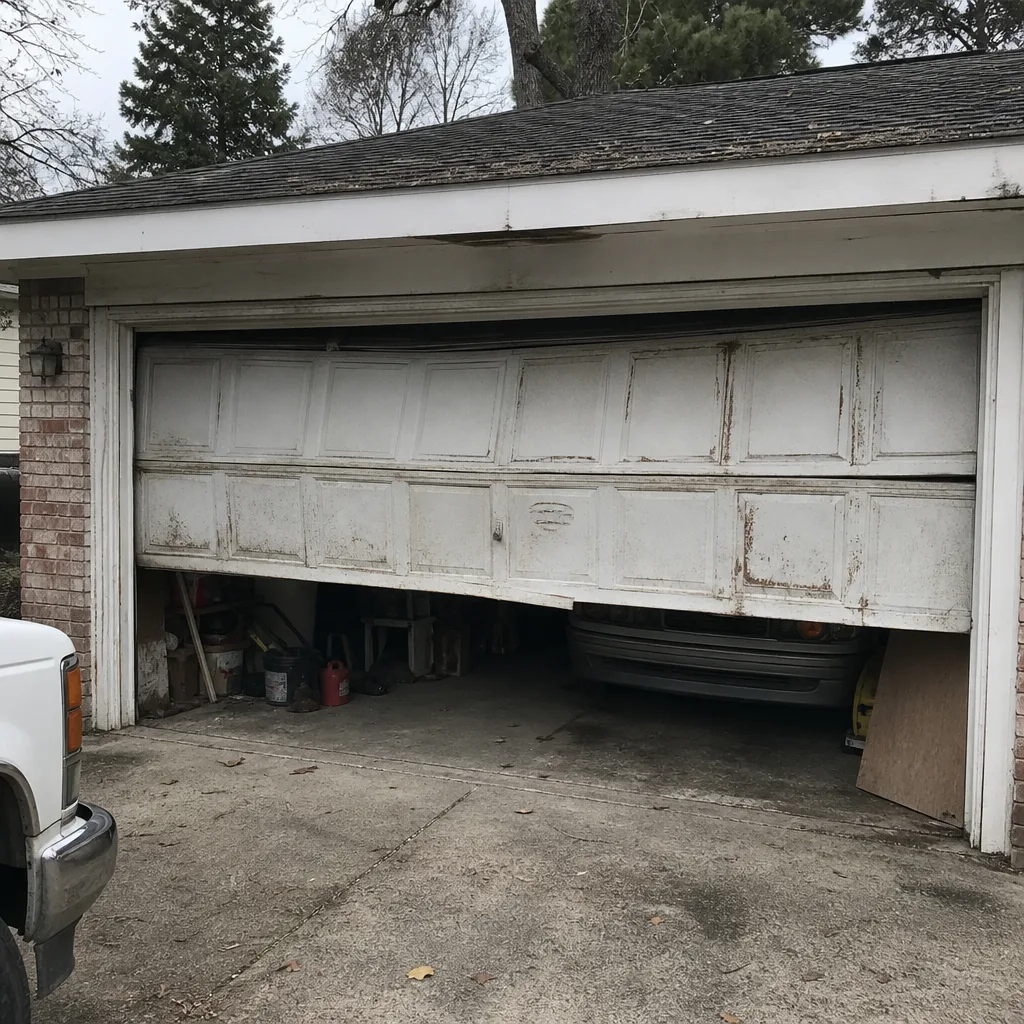
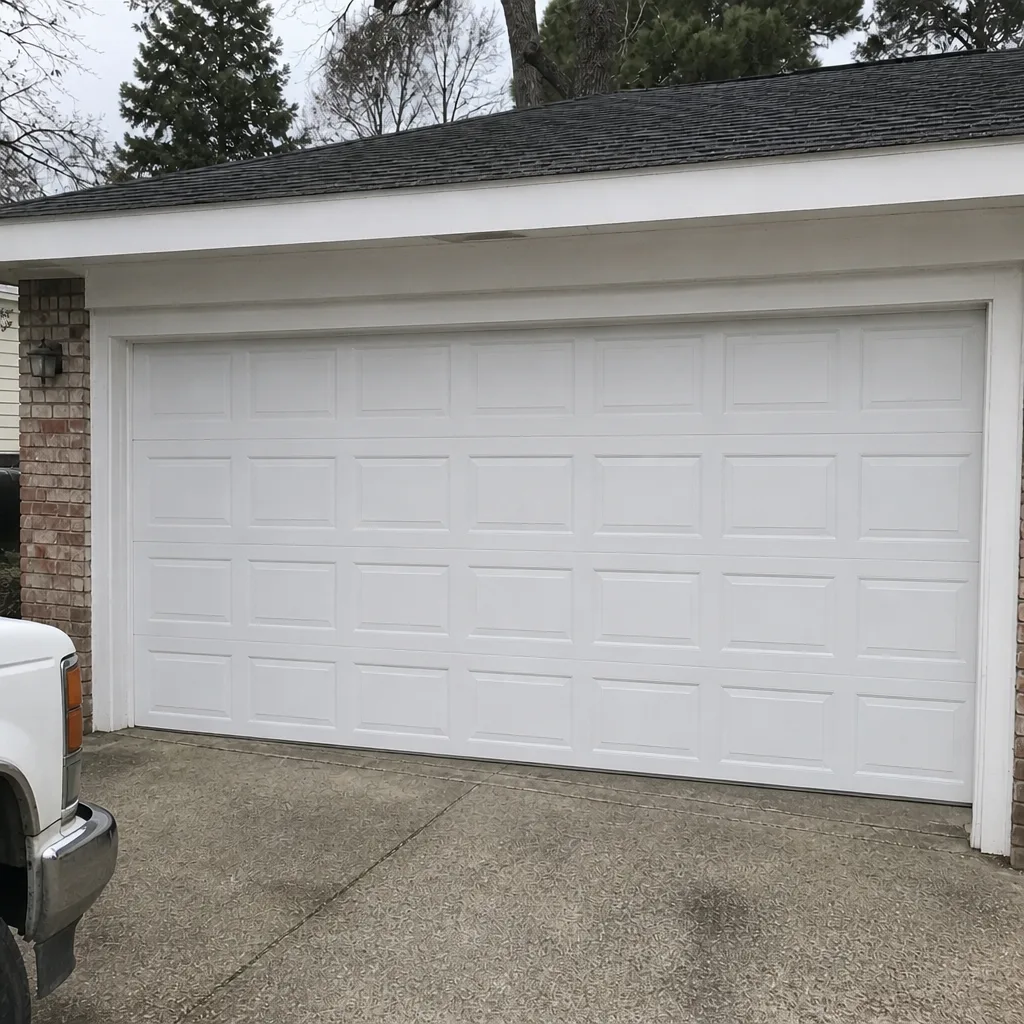
See the difference
 Before
 After
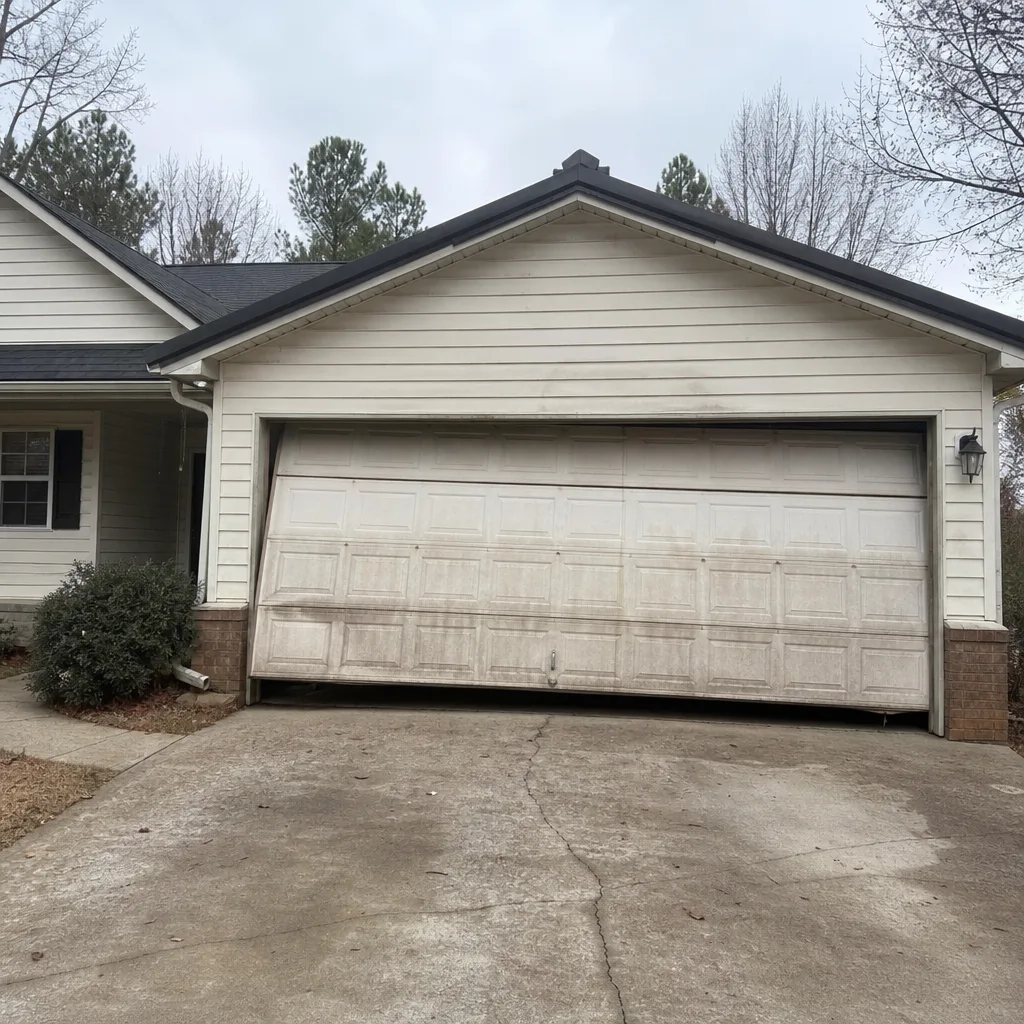 Before
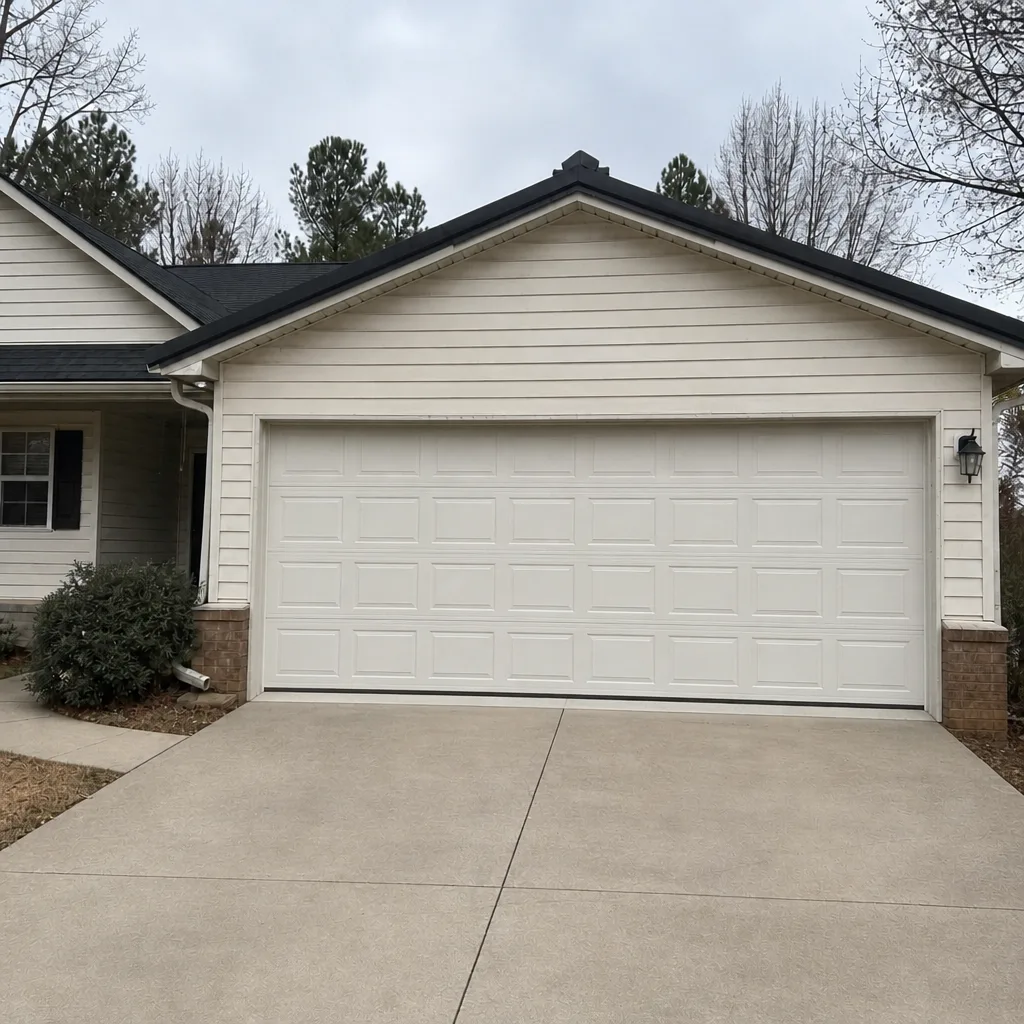 After
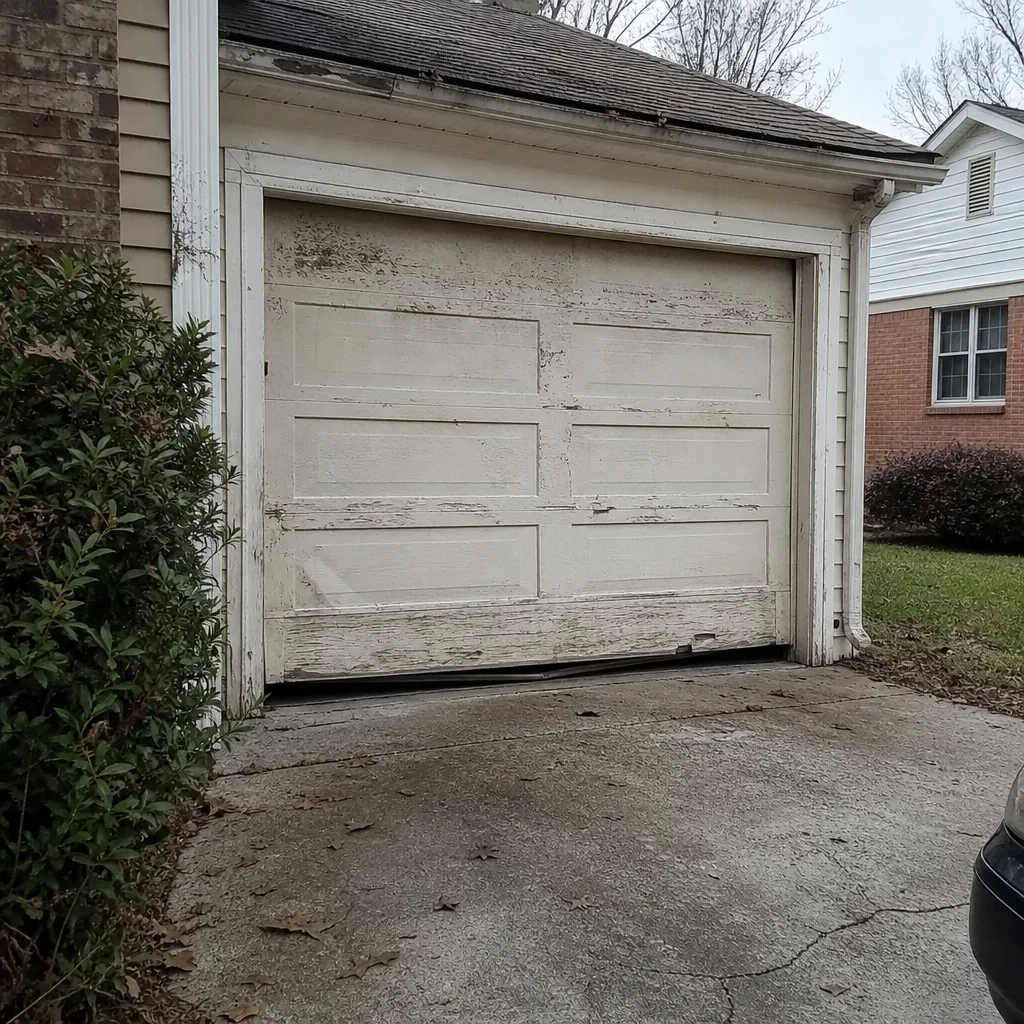 Before
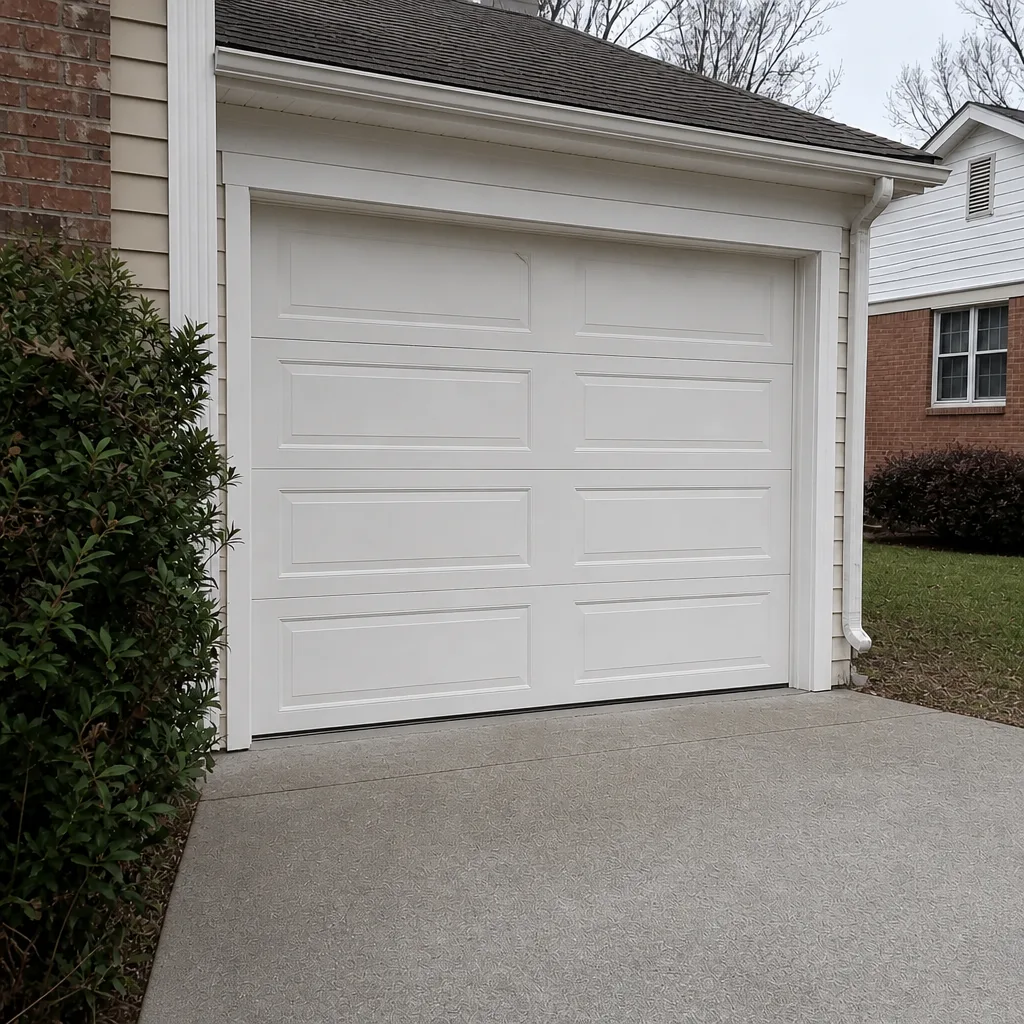 After
When to Call a Professional
Call for anything involving a broken spring, a snapped cable, a bent track, or a door that’s stuck open and won’t close. Those are the situations where a homeowner can make the problem worse or get hurt trying to fix it. Call if the opener runs but the door doesn’t move, if the door reverses partway down, or if you hear a bang from the garage and the door stops working. Call if the door has come off a roller or is hanging unevenly. If you’re not sure whether it’s a power problem or a mechanical one, call and we’ll help you figure out which. Garage Door Repair LaGrange offers free estimates in LaGrange. Call (844) 543-1802.
We answer 24/7, and dispatch runs from 7am to 7pm, Sunday through Friday. If a door fails outside dispatch hours, we’ll book you for the next opening and tell you what to do to keep the house secure until then.
Frequently Asked Questions
Close the door fully first, then pull the red cord straight down once. The door can be lifted by hand once the carriage disconnects. Pulling the cord while the door is open is what causes the door to free-hang and the tracks to bend. After power returns, raise the door partway by hand and push the carriage until the trolley snaps back in. Call (844) 543-1802 and we’ll walk you through it if the opener doesn’t respond.
Leave the door where it is and don’t force it down. A spring-broken door has lost its counterbalance, and pushing it by hand is how cables snap and tracks bend. Secure the house by other means (a car in the opening or a manual lock) and call a specialist. Call (844) 543-1802 to book the repair. We answer 24/7. Fast dispatch from 7am to 7pm, Sunday through Friday.
Close it completely and lock it manually. A closed door gives wind a solid surface the frame can handle. An open or partly open door acts like a sail and puts pressure on the structure above the opening. If your door has a manual slide bolt or lock bar, engage it. After the storm, inspect the door by hand before running the opener. If it feels rough or uneven, call (844) 543-1802.
Have your door brand and model, your opener brand and model, the type of spring (torsion, extension, or enclosed), what the door is doing, and your address and door size. Those five things get you a faster response and a more accurate written estimate. We work on LiftMaster, Chamberlain, Genie, Clopay, Amarr, Wayne Dalton, Craftsman, and Raynor. Call (844) 543-1802 and we’ll take it from there. Estimates are free.
Park a car in the opening or across the threshold if you can, and put a heavy piece of furniture or a bin against the door from inside. That won’t lock it, but it makes noise. Turn on exterior lights on that side of the house. We answer 24/7. A call outside dispatch hours is booked into the next opening, Sunday through Friday, 7am to 7pm. We’ll give you a time window and a written estimate. Call (844) 543-1802.
No. You get a written estimate before any work begins, and that written estimate is the price. If we open up the door and find something different from what you described, we tell you before we do the work and you decide. We don’t start a repair without your agreement on the price. In LaGrange, estimates are free. Call (844) 543-1802 for yours.
The Bottom Line
Garage door emergencies are less about knowing how to fix the problem and more about knowing what not to do in the first five minutes. Close the door before you pull the manual release. Leave a spring-broken door alone. Close and lock the door during severe weather. Keep your models written down so the call goes faster. And secure an open door with what you have until a technician arrives, rather than pushing a damaged door further. If you take nothing else from this guide, take this: a prepared LaGrange homeowner handles a garage door emergency with far less stress than one who’s guessing at 10 p.m. When the door won’t wait, call (844) 543-1802.
Written by the team at Garage Door Repair LaGrange.