
Last updated November 23, 2026
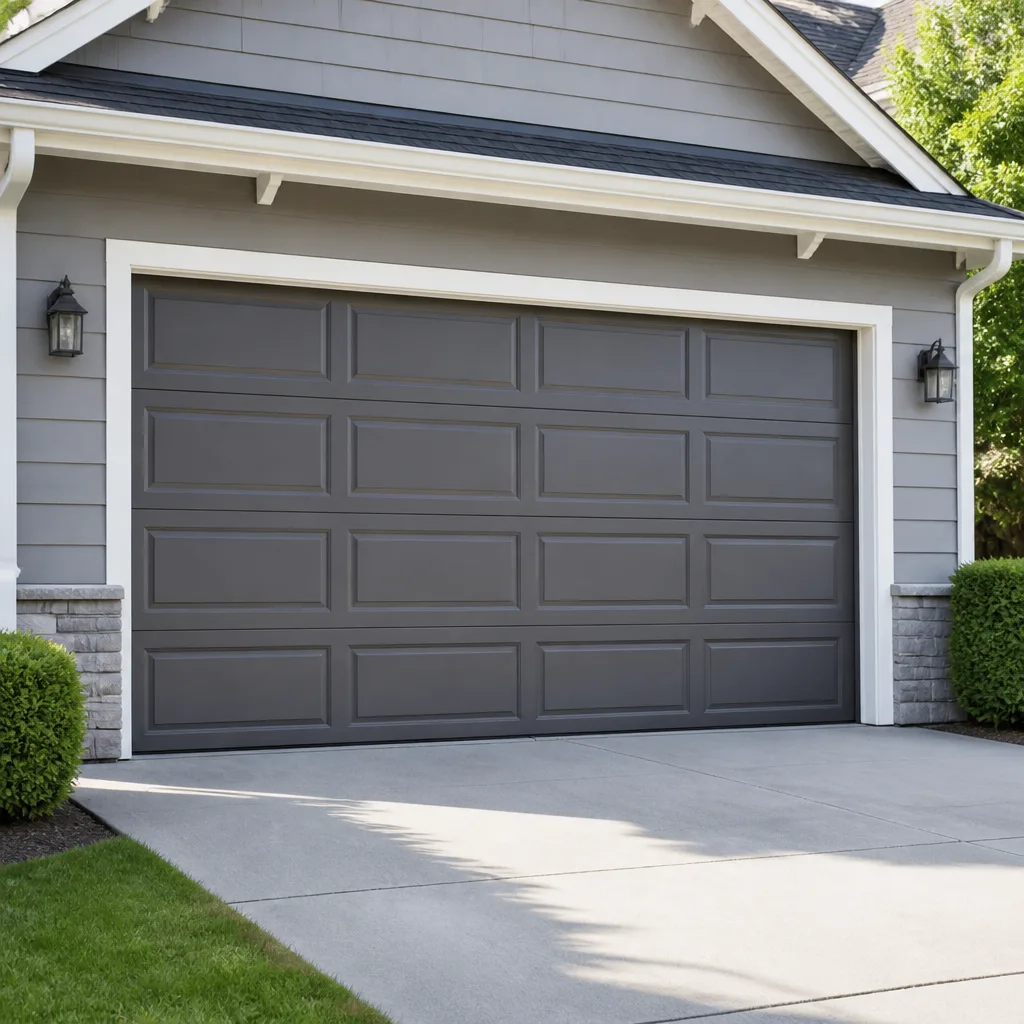 Raised-panel steel
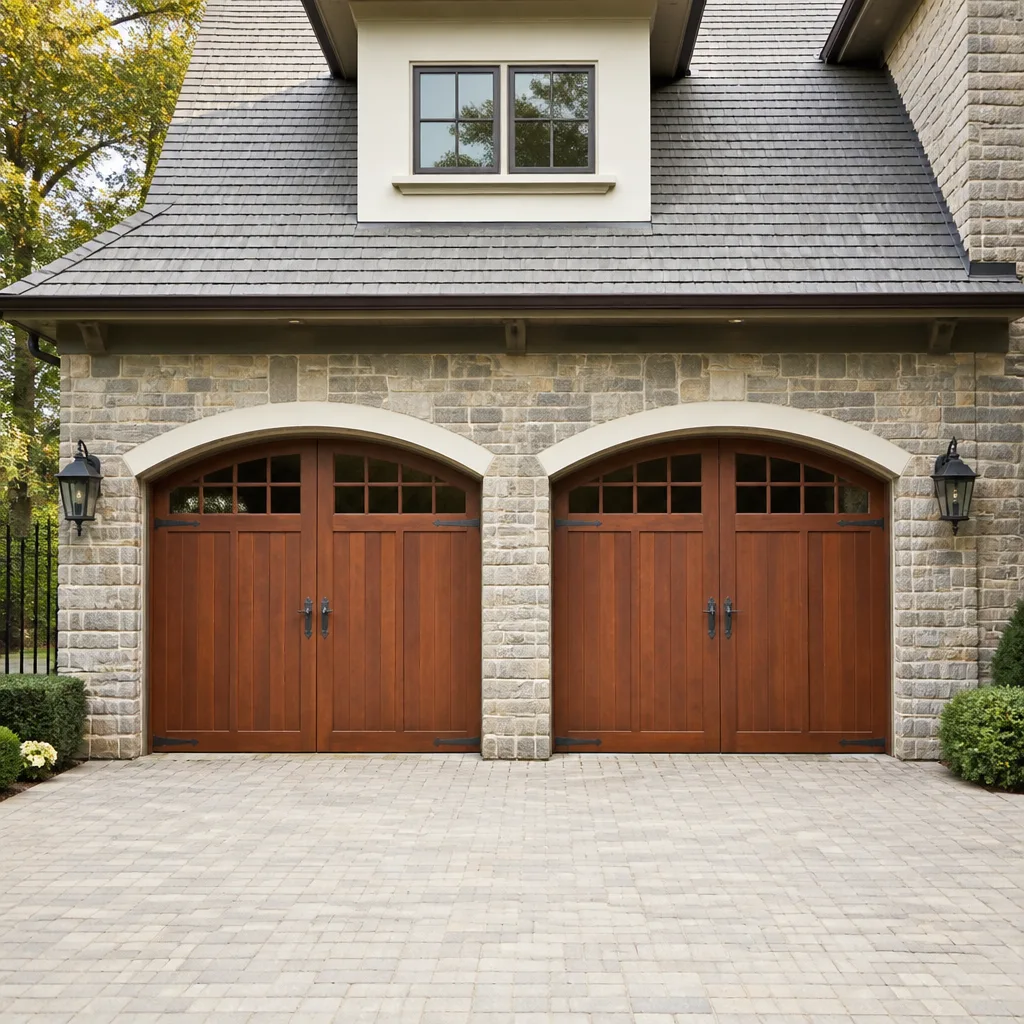 Carriage house
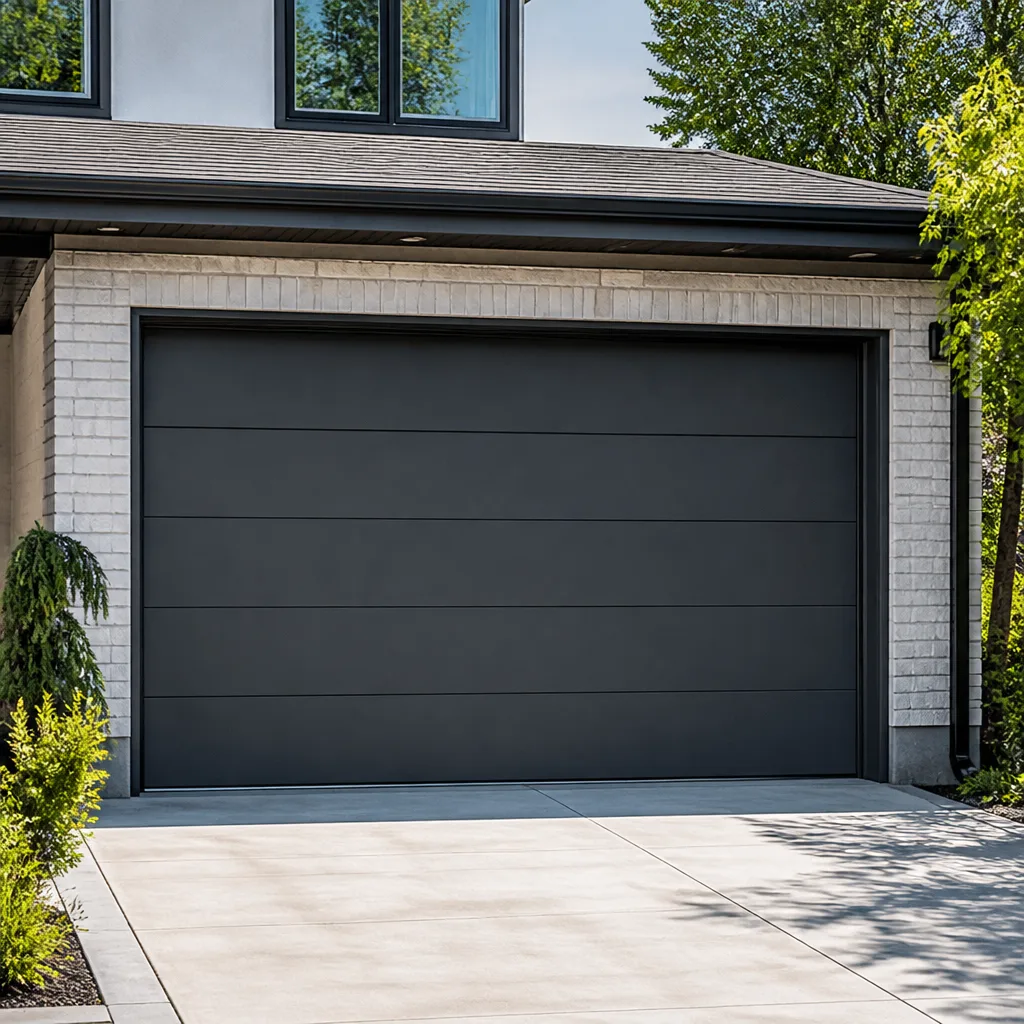 Modern flush
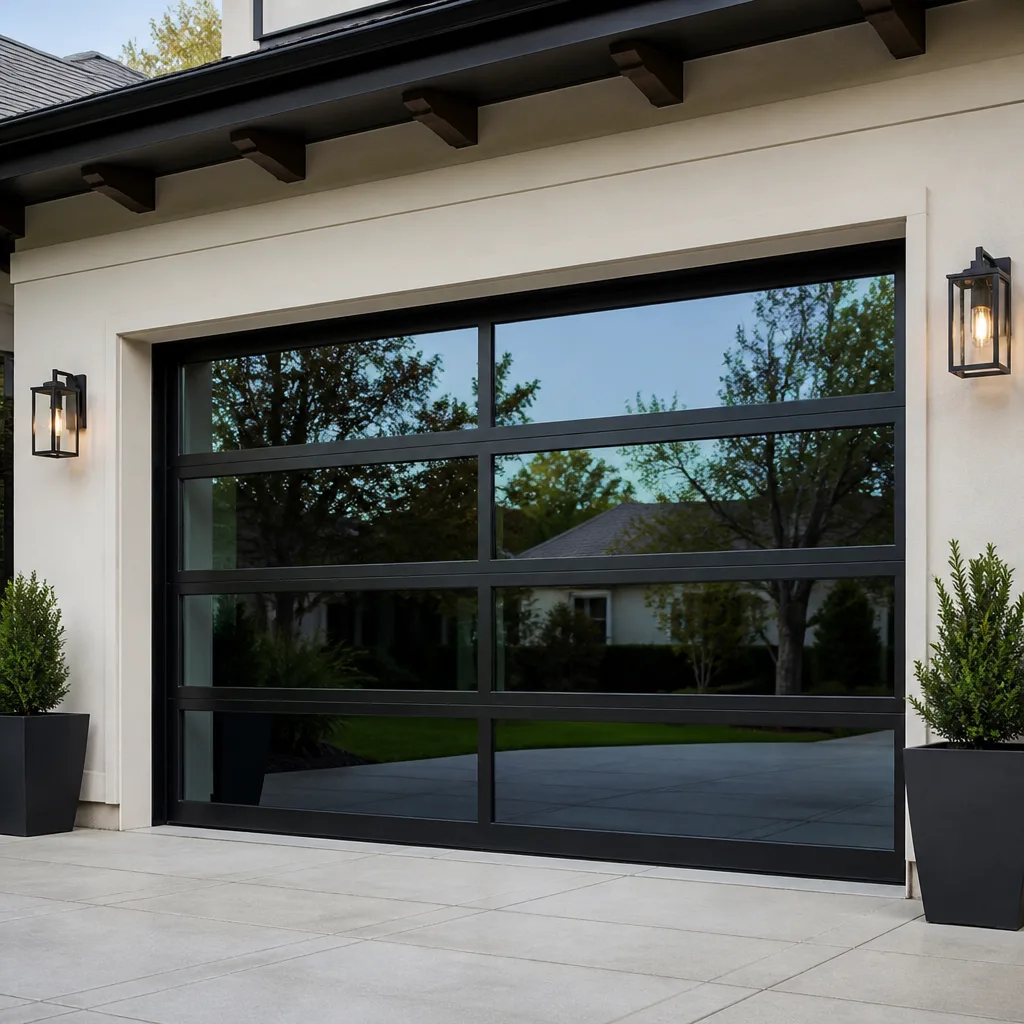 Full-view glass
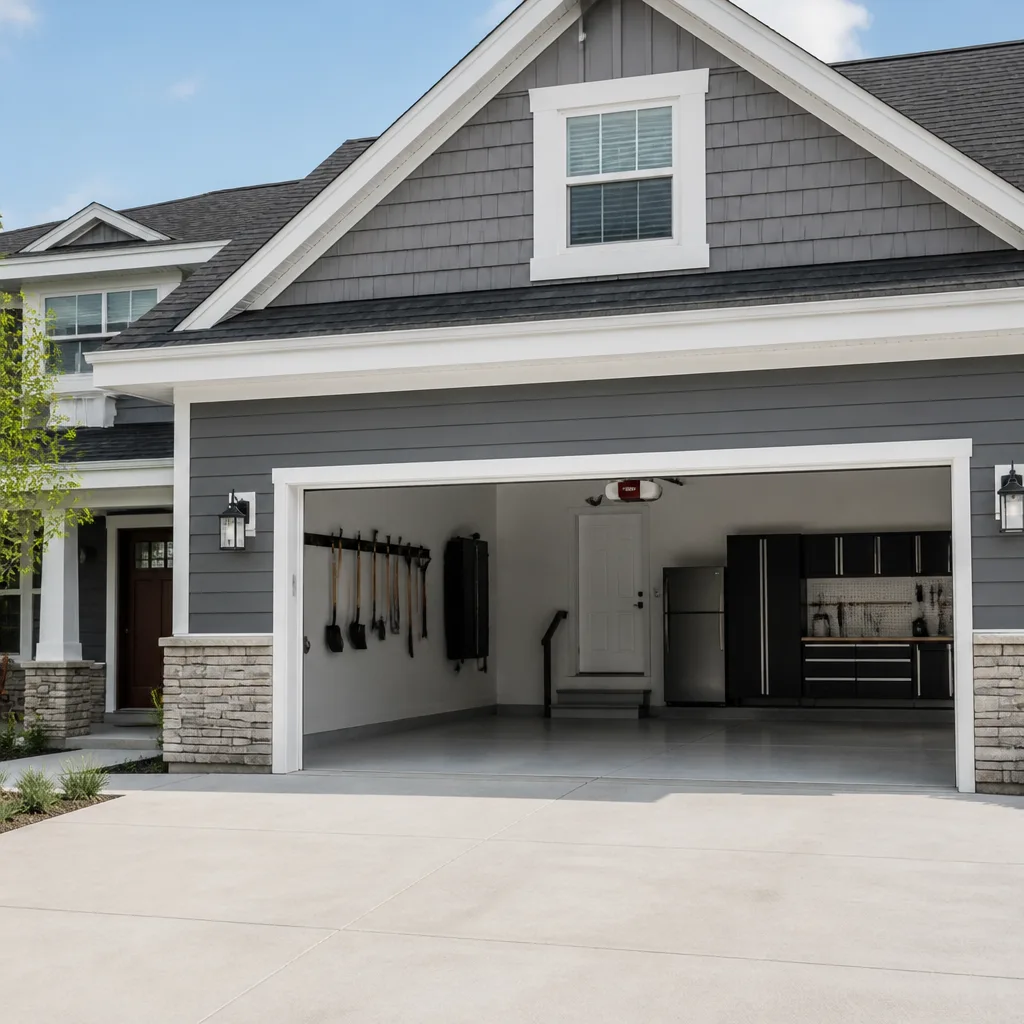 LiftMaster openers
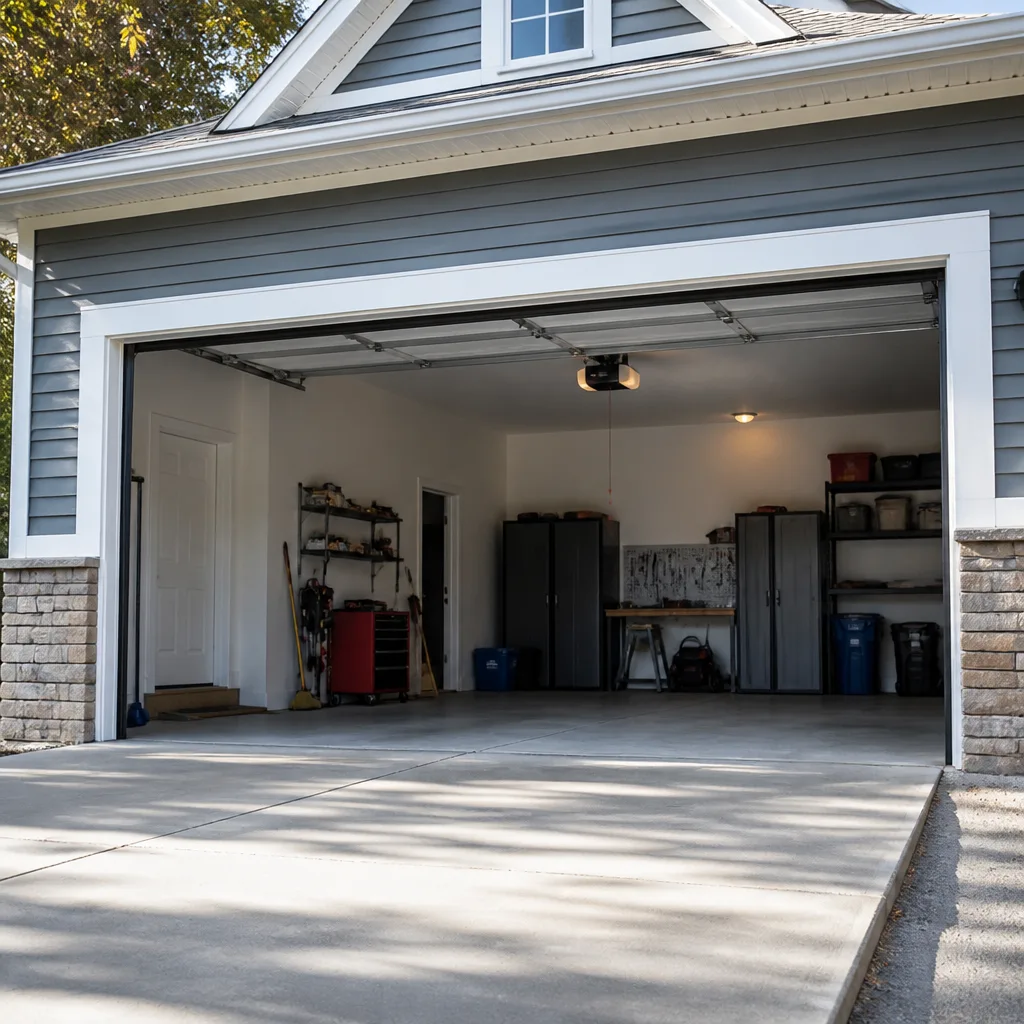 Chamberlain openers
Full 25-point door and opener safety check with every visit - springs, cables, rollers, tracks, and your LiftMaster or Chamberlain opener included
You get a price before we start. It does not change when the pro arrives.
Get your free estimateGarage Door Warning Signs: A LaGrange Homeowner’s Reference Guide
Most homeowners treat a noisy garage door the way they treat a squeaky floorboard: they notice it, decide it’s fine, and move on. That’s normal. It’s also why so many garage doors in LaGrange fail at the least convenient possible moment. The popping, grinding, rattling, and hesitation you hear are not random noise; each one is a specific component telling you it’s wearing out. And they almost always give you weeks of notice before they quit. This guide translates those signals into plain language so you know which ones to listen to, which ones to act on, and which ones mean you should stop using the door entirely. We cover the sounds, the visual signs, the operation cues, and the conditions unique to LaGrange that make certain failures more common here.
Quick Answer
The most important garage door warning signs are popping or banging sounds (a worn or broken spring), grinding (a failing roller or opener gear), a door that reverses mid-travel (a sensor, track, or opener board issue), and visible cable slack or uneven gaps along the sides. If the door is stuck open, hanging crooked, or the spring is clearly broken, stop using the door and get a professional out before something drops.
Styles & brands we work with
- Raised-panel steel
- Carriage house
- Modern flush
- Full-view glass
- LiftMaster openers
- Chamberlain openers
Table of Contents
- What the Sounds Are Telling You
- Visual Signs That Are Easy to Miss
- Operational Signs: Hesitation, Reversal, and Motor Strain
- Which Signs Mean Stop Using the Door Today
- LaGrange-Specific Patterns: Humidity, Cables, and Seals
- Why Brand Matters When You Call for Repair
- Common Mistakes to Avoid
- When to Call a Professional
What the Sounds Are Telling You
Every garage door makes some noise. The trick is knowing what normal sounds like on your type of door. A well-maintained steel sectional door on nylon rollers is a soft, steady hum. A wooden or older paneled door is louder but rhythmic. The moment the rhythm changes, something has changed in the hardware. Here’s how to decode the most common sounds.
- Popping or a sharp bang. A loud pop from overhead usually points to the torsion spring. A spring that’s lost tension or snapped will send the door crashing down a foot or more before it settles. This is the highest-urgency sound on a garage door, and the door should not be operated again until it’s examined.
- Grinding. Grinding is friction, and friction is metal-on-metal. The usual suspects are a seized roller bearing or a worn opener gear or sprocket in the drive assembly. Left alone, a seized bearing will carve into the track, and a bent track section is a much bigger repair than a roller swap.
- Rattling. Loose hinges, loose panel bolts, or a worn bottom bracket usually account for rattle at the sides of the door. On its own, rattling is low urgency, but it often gets worse quietly and eventually loosens a fastener completely.
- Squealing or a high whine. Squealing is almost always a lubrication problem or a dry roller. A high whine that seems to come from the opener unit itself points to the motor or gear housing rather than the door.
- Banging. A single heavy bang when the door reaches the floor is usually a symptom of a bouncing bottom seal or an opener limit switch that’s set too far down. Repeated banging shortens the life of the door frame hardware.
In our experience on garage doors across LaGrange, the popping sound is the one homeowners most often misread. People hear it once, decide the door “settled,” and get another week of use before the spring fails completely. A worn spring rarely gives you that third or fourth warning.
Visual Signs That Are Easy to Miss
The problem with visual inspection is that most homeowners never look at the garage door. They pull in, they pull out. The door is a wall. The good news is that a five-second walk-around will surface most of the serious visual warnings, and you can run this check without touching anything dangerous.
- Check the gap on both sides. Stand inside and look along each vertical edge of the door. The reveal gap should be roughly equal on both sides. A door that started even and now shows a wider gap on one side is usually running on a misaligned track or has one cable that has lost tension. That’s a diagonal or crooked door, and it will get worse.
- Look for cable slack. With the door fully closed and the door at rest, the cables should be under tension and lie flat against the drums. A cable that’s obviously drooping, kinked, or has a frayed spot where it runs into the drum is a serious warning. Frayed cables snap.
- Inspect the bottom seal and weather stripping. Cracks, shrinking, or a seal that’s separated from the door are common in LaGrange and worth catching early.
- Look at the rollers and hinges. Rollers that are chewed up, flat-spotted, or have rusty bearings should be replaced. Hinges with visible corrosion or worn pin rivets are next to go.
- Scan for rust patterns. Surface rust on a painted or steel door can be a cosmetic issue. Rust that runs along the bottom rail, has eaten into the metal, or is traceable to a hidden fastener is a structural concern. Structural rust weakens the door’s panels and their ability to hold the hardware.
One quick note: the springs, cables, and torsion bar at the top of the door are all under enormous tension. Never reach up to “adjust” or hand-check any of them. Visual inspection from a distance is safe. Touching tension components is not.
Operational Signs: Hesitation, Reversal, and Motor Strain
The way a door moves tells you as much as the way it sounds. This is where we see the most misread signs in LaGrange, because a lot of “small” operating quirks are a preview of a bigger repair.
The door reverses before it hits the floor
A door that closes, then reverses back up partway, is usually reacting to the safety sensors. The photo-eye sensors near the floor are supposed to be aligned and clear. A sunbeam across the garage floor, a knocked sensor, or a spider on the lens can each trigger a reversal. If the reversal is intermittent and the sensors look aligned, the opener’s logic board or wiring is the next place to look. Don’t ignore it: a door that reverses unpredictably is a door that may not fully close when you want it to.
The door hesitates at the start of travel
A slight pause before the door moves means the opener is fighting resistance. That resistance usually comes from a dry roller, a bound track, or a spring that has lost some tension. The opener motor can push through a little resistance for a while, but the strain eventually finds a weak point in the gear or the motor winding.
The motor runs longer than it used to
When the opener motor runs a full second or two longer than it used to before the door starts moving, or keeps running after the door stops, the unit’s travel limits have drifted or the gear drive is slipping. Common on older LiftMaster and Craftsman units, and usually fixable without replacing the opener.
The door reverses when you try to close it manually
If a door fights you when you try to push it down by hand, that’s a sign the springs have lost their counterbalance and you’re lifting the full weight of the door. This is a real risk to the opener and to anyone under the door. It also always points to the spring system.
If any of those operational signs show up on your door, a professional inspection is the right next step. For those, we can take a look or refer you to our page on garage door repair to see how we handle diagnostics.
Which Signs Mean Stop Using the Door Today
Not every warning sign requires shutting the door down. Some are a call-this-week issue. Others are a call-now issue. Getting the difference right matters, because a garage door carries serious weight, and the parts that hold it up are under tension at all times.
Signs that allow continued careful use:
- A soft rattle at the hinges that hasn’t gotten worse
- Squealing or squeaking during travel that improves slightly after a light lubrication
- A slow, cosmetic bottom seal that hasn’t separated from the door
- Intermittent sensor reversals where the alignment looks correct
Signs that require immediate shutdown of the door:
- Any loud popping or bang from the torsion spring area
- A door that hangs crooked, with one side visibly lower
- A visibly broken spring (you’ll see a clear gap in the coil)
- A door that reverses when you push it down by hand or feels extremely heavy
- Visible cable fraying, kinking, or slack on either side
- A door that has come off one of its tracks, even slightly
If any of the shutdown signs applies to your door, don’t cycle it to “make sure.” Every extra cycle risks the door dropping or a cable snapping suddenly. Leave it shut, secure what you can from a distance, and call a professional. Springs and cables are the highest-tension parts on the entire door and should only ever be handled by a trained technician. We’ve seen what happens when homeowners try a DIY spring replacement, and it is genuinely one of the most dangerous repairs on a house.
This is exactly the scenario we built our garage door spring repair service around. If you hear a pop, stop there and call us at (844) 543-1802. We answer 24/7. Fast dispatch from 7am to 7pm, Sunday through Friday.
LaGrange-Specific Patterns: Humidity, Cables, and Seals
Garage door hardware wears differently depending on the climate it lives in. West Georgia runs humid through most of the year, and LaGrange’s garage doors spend a lot of that humidity cycling open and shut against outside air. Two things happen as a result that homeowners here see more often than you might expect.
Cable fraying from humidity. Garage door cables are steel braid. Steel braid exposed to moisture from the air, from a car pulled in wet, or from the floor of the garage holds a thin film of moisture against the strands. Over months and years, that moisture works into the braid and starts a corrosion process from inside the cable. From the outside, the cable may look fine until one strand separates slightly where it meets the drum. That separation is a warning sign, and it’s the last one you get before a snap. Homeowners in LaGrange should look for it deliberately rather than waiting to notice it.
Weather seal failure. The bottom seal and side weather stripping on a garage door are the first line of defense against humidity entering the garage. When they dry out, crack, or peel away from the door, moisture gets in, and the door’s interior face and hardware start holding damp air. A failing seal doesn’t just cause drafts; it shortens the life of the hinges and the roller bearings over time.
Panel and rail expansion. Humidity also causes steel and wood panels to swell and contract through the seasons. That’s normal. The warning sign is when a door that used to sit flush against its seals starts showing gaps that don’t close even on dry days. That usually means a hinge has loosened or the door is riding slightly off track.
Our technicians have up to 9 years of experience working doors in this environment, and we recognize the specific corrosion signatures that show up on LaGrange hardware. If you want a professional to look at your cables, seals, and roller bearings before the humid season turns them into a bigger repair, we can help. See garage door opener repair for how we handle the opener-specific side, or call us for a full inspection.
Why Brand Matters When You Call for Repair
Garage doors and openers are not interchangeable. A Wayne Dalton door uses hardware and panel configurations that don’t match a Clopay door, and the openers from Genie, Chamberlain, and Raynor each have their own diagnostics, limit-adjustment procedure, and known failure points. When a technician shows up to a repair and has never worked on that specific brand, the first 20 minutes of the visit turn into trial and error. Sometimes that means parts get ordered that don’t fit, or a symptom gets condemned that isn’t the actual problem.
We’re trained on 8 of the most widely owned brands: LiftMaster, Chamberlain, Genie, Clopay, Amarr, Wayne Dalton, Craftsman, and Raynor. That’s not a marketing line; it changes how a repair goes. When the opener is a LiftMaster with a symptom that’s common to that lineup, we don’t have to guess. When the door itself is a Wayne Dalton that’s known for a specific hinge fatigue pattern, we know to look for it. The result is fewer return visits and fewer generic “let’s replace the whole opener” recommendations that a generalist might make.
Garage doors are all we do, so we don’t split our parts inventory or our diagnosis time across other trades. If your door is a brand we don’t have listed, tell us on the call and we’ll let you know honestly whether it’s a fit. If your door is a LiftMaster or a Craftsman or any of the others we cover, we’ll show up already knowing the hardware.
Common Mistakes to Avoid
Most of the repair calls we see in LaGrange don’t start with a component failing. They start with a homeowner making one of these mistakes after a warning sign appears.
- Waiting for the door to “settle.” A door that pops once and then quietly works for another week has not settled. The spring has lost tension. Waiting past that warning is the most common route to a full spring replacement and a bent track at the same time.
- Spraying WD-40 on the springs and thinking you’ve fixed the noise. Lubrication helps the rollers and hinges, but it can’t restore a spring that’s lost tension or a cable that’s started to fray. It also masks the sound that would have told you something was wrong.
- Replacing the opener when the door is the problem. A brand-new opener installed on a door with a worn spring or a bent track will fail too. If the door is binding, fix the door first.
- Adjusting the safety sensors yourself without checking alignment. A lot of “the door won’t close” calls turn out to be a sensor that got knocked a quarter inch out of line by a lawn mower or a storage bin. Aligning the sensors fixes most of these. But if the sensors look lined up and the door still reverses, that’s a call-us situation, not a keep-fiddling situation.
- Forgetting that LaGrange humidity needs attention. A door that sits wet in the garage all year will corrode cables and bearings faster than a door in a drier climate. Look at your cables and bottom seal once a year, especially going into and coming out of the humid season.
- Running the door after a cable snaps. A door with one snapped cable will twist under load and it can come down hard. Do not cycle it to “see what happens.”
- Assuming a quiet garage door is a healthy garage door. Some failures (particularly inner-strand cable corrosion) don’t produce a dramatic sound until the moment the cable fails. A visual inspection catches these earlier than your ears will.
When to Call a Professional
Call a professional the moment any of the shutdown signs on this page appears, and don’t cycle the door again. Call when the door reverses unpredictably, when it’s visibly crooked or heavy to move by hand, when you can see a broken spring or a frayed cable, or when the opener runs but the door doesn’t fully travel. Call when the door has stopped responding altogether, because a stuck-open door is a security opening on your house. And call for a scheduled check on the springs, cables, and seals whenever the door’s been in service for a while and hasn’t been looked at by someone trained in this trade.
We’re a garage door specialist for exactly this reason. From a single broken cable to a complete new installation, we handle repairs, opener work, springs, and new doors as one dedicated trade. Garage Door Repair LaGrange offers free estimates in LaGrange; call (844) 543-1802 to schedule a technician. The price is always quoted and agreed before any work starts, so you know what you’re paying for before we begin.
See the difference
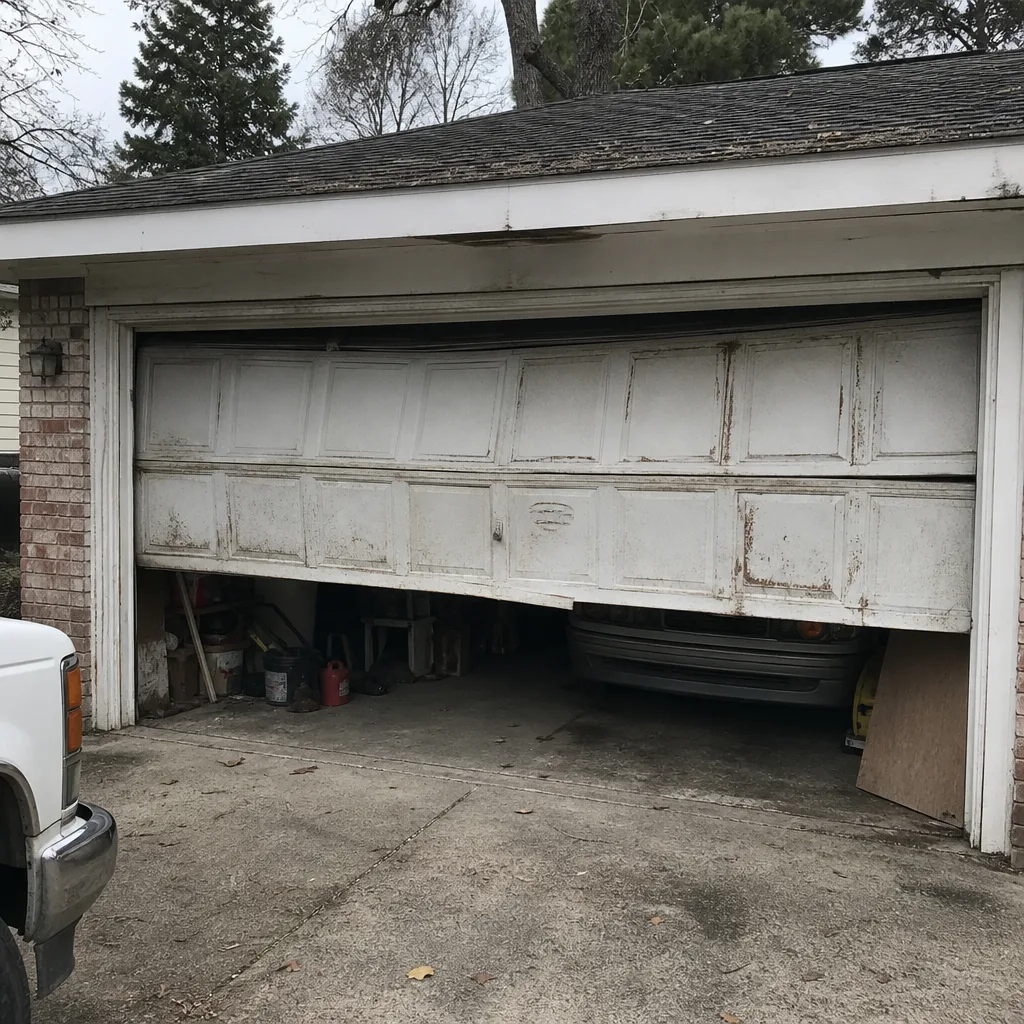 Before
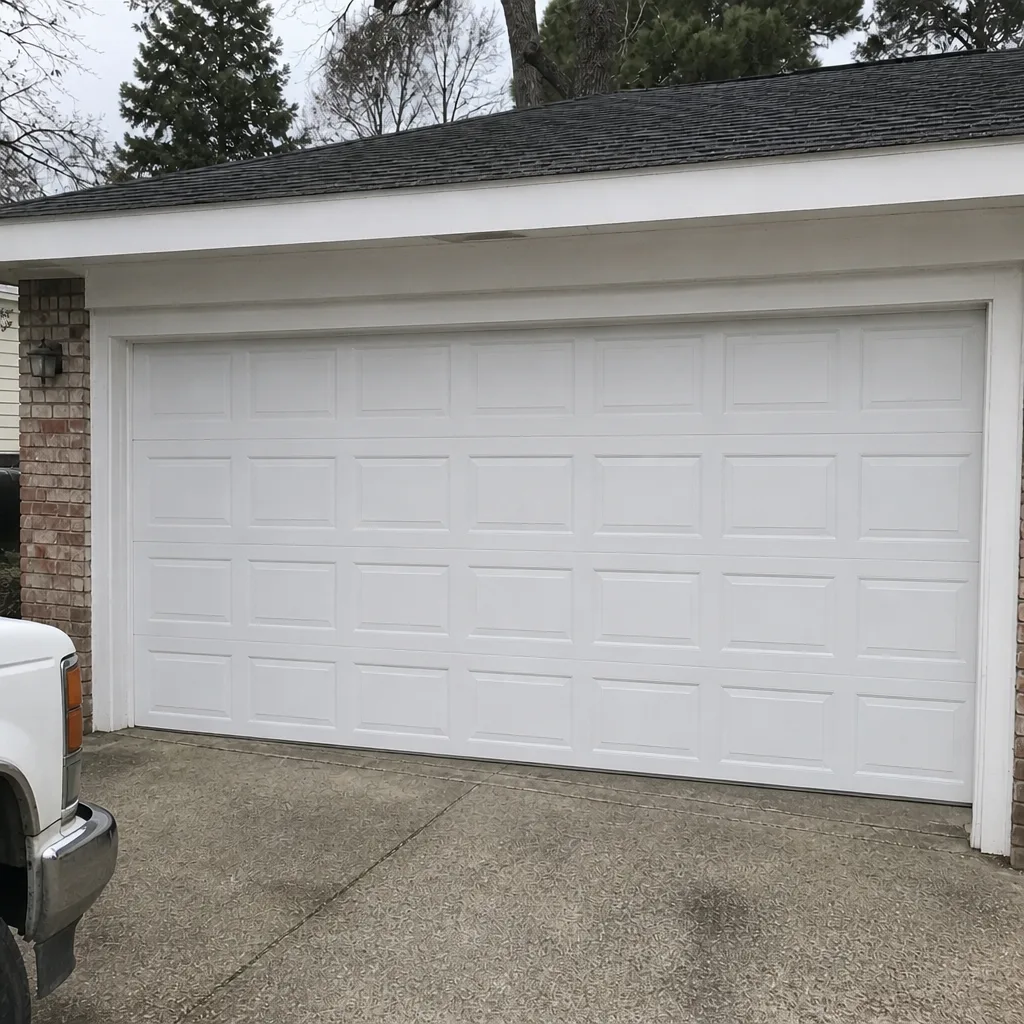 After
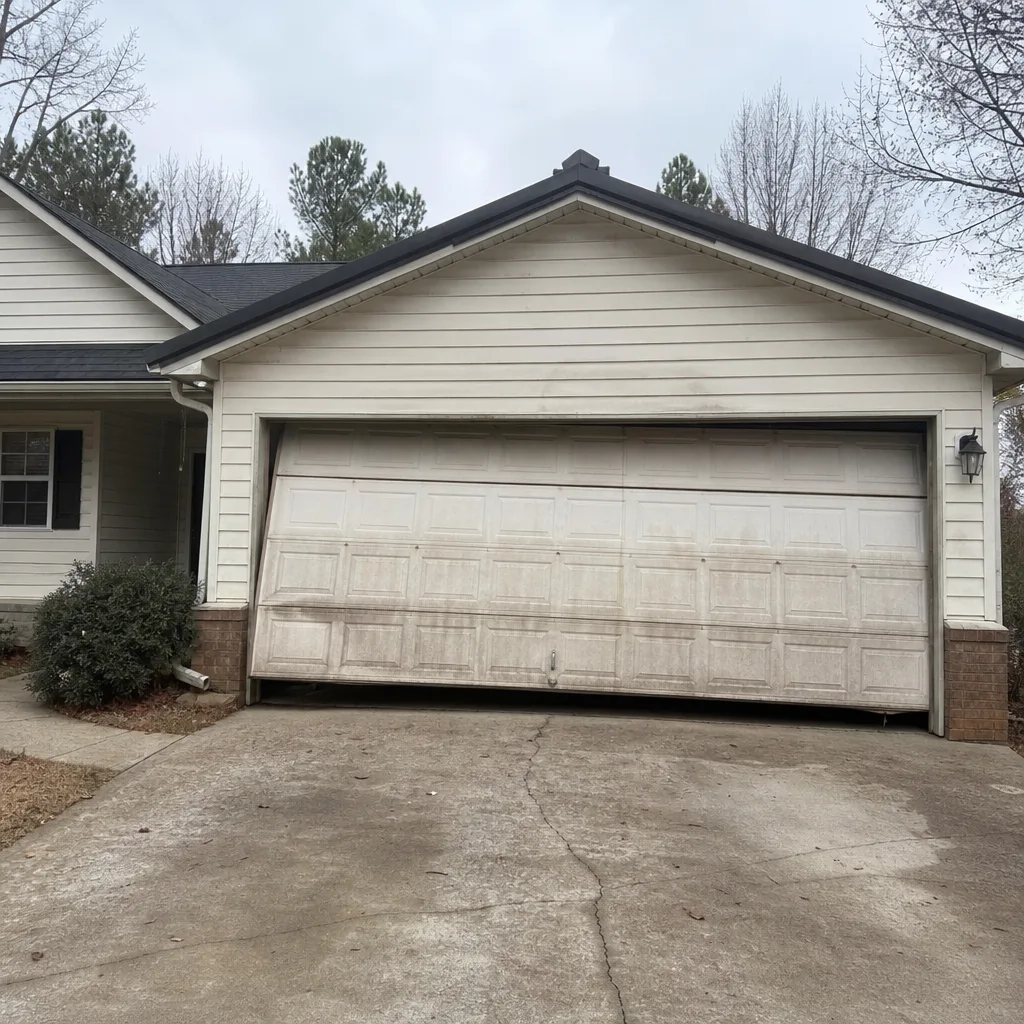 Before
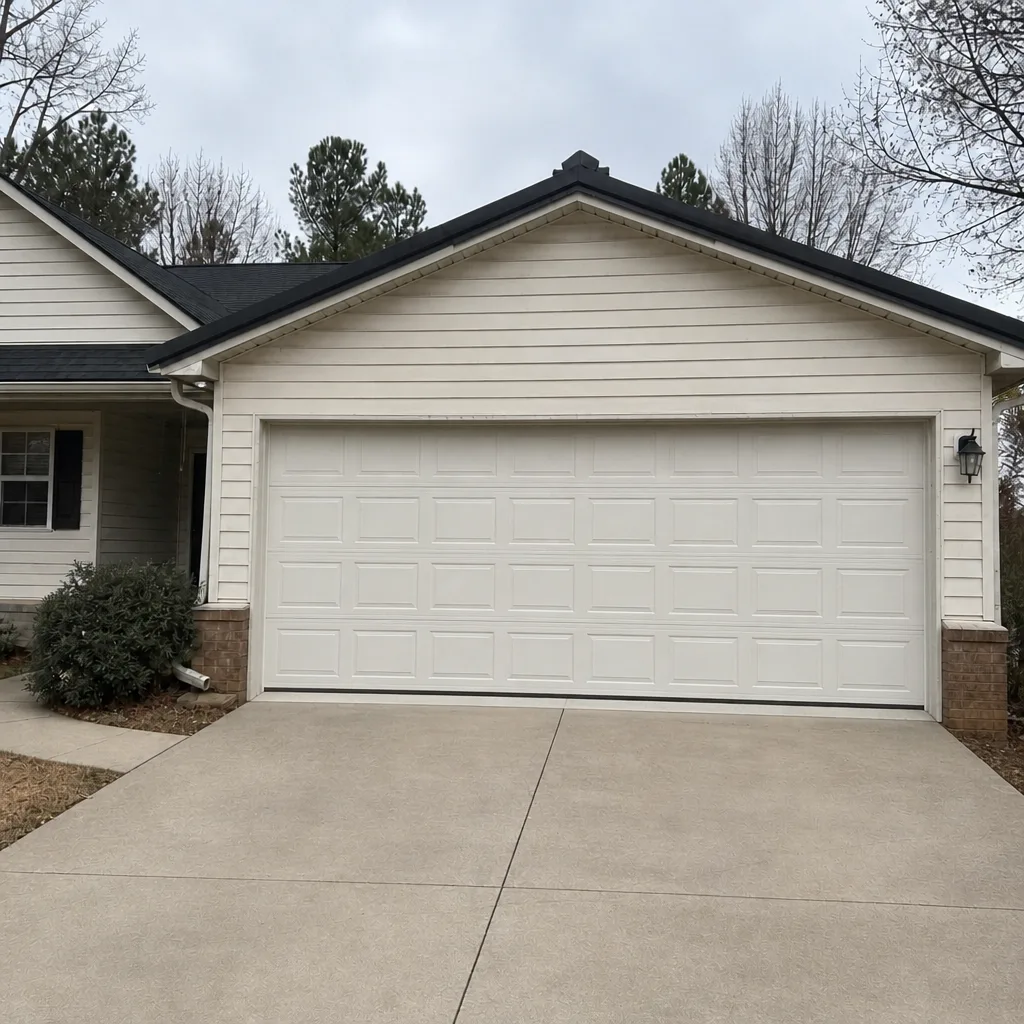 After
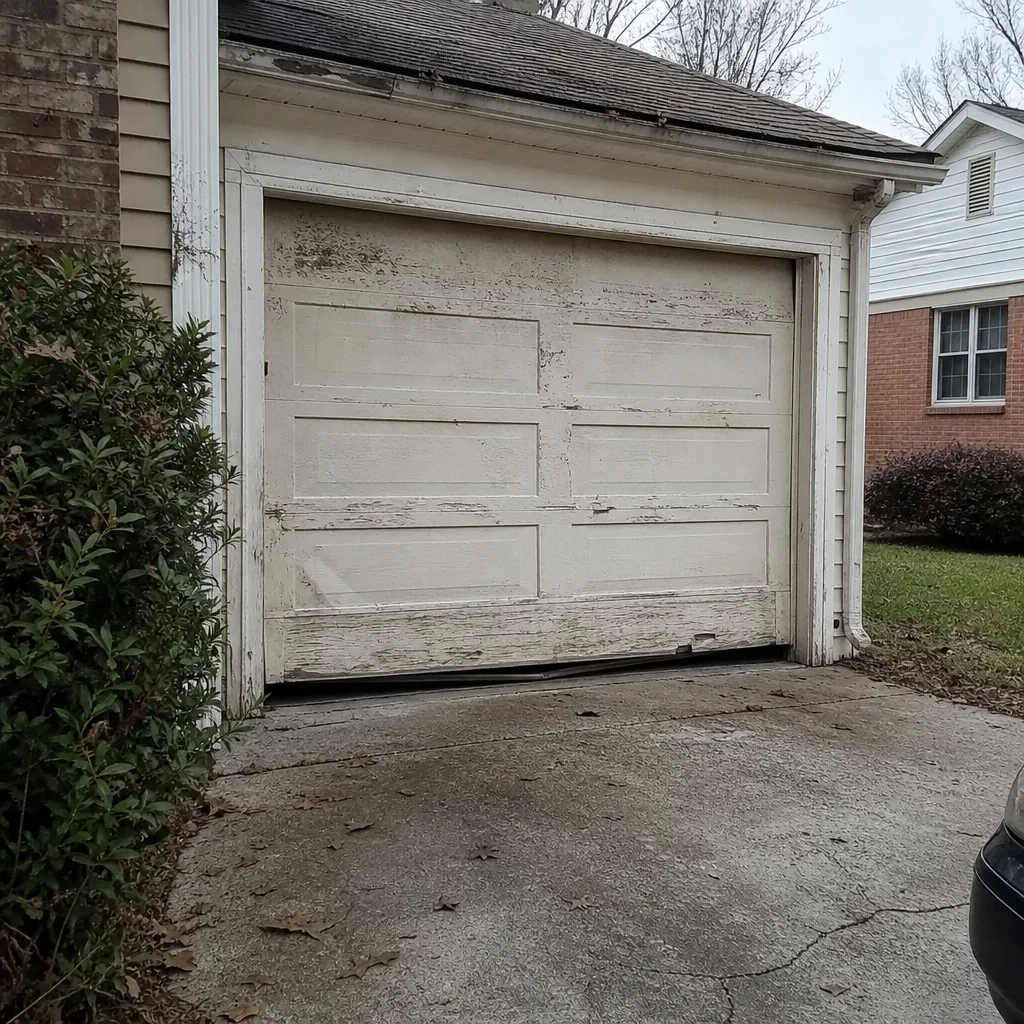 Before
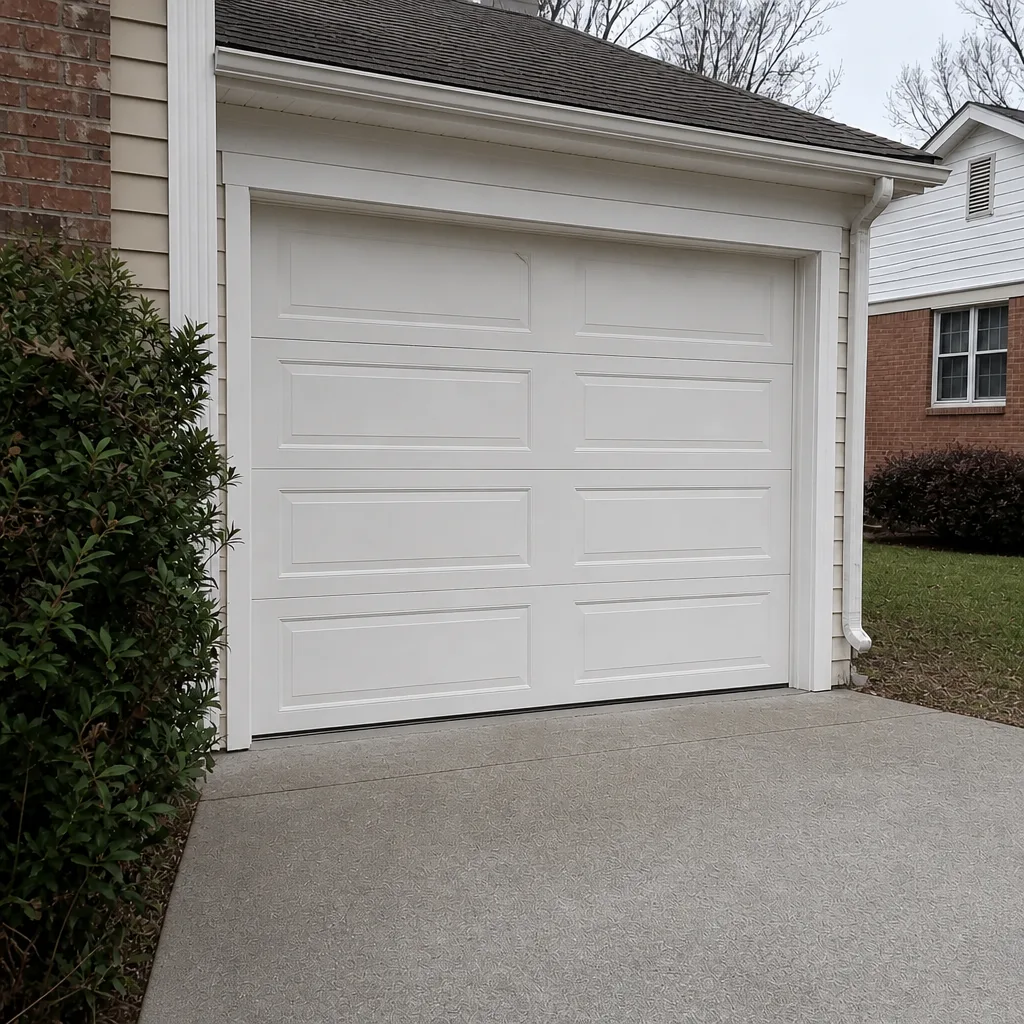 After
Frequently Asked Questions
A loud pop or bang from the torsion spring in LaGrange is the most urgent warning sign because it usually means the spring has snapped or lost tension, and the door should not be operated until a professional examines it. That sound is followed by the door being extremely heavy to lift or the door hanging crooked. Call us at (844) 543-1802 and don’t cycle the door. We answer 24/7. Fast dispatch from 7am to 7pm, Sunday through Friday, and the estimate is free.
Light rattle or a squeal on the rollers or hinges is generally safe to operate carefully while you schedule a repair, but don’t ignore it. Those sounds don’t fail suddenly the way a spring does; instead they progress from a loose hinge to a bound roller and eventually a bent track. Call us for a scheduled inspection and we’ll tell you what’s actually loose, at (844) 543-1802. The estimate is free.
We price spring repair per job after we’ve seen the door and confirmed the spring configuration, so the written estimate sets the price. A single spring and a matched pair are different jobs and priced differently. Call us at (844) 543-1802 for a free estimate; we quote and agree the price before any work starts.
Cable fraying is more common in LaGrange because the humidity keeps a thin film of moisture on the steel braid through most of the year, and that moisture starts corrosion from inside the cable. From the outside it looks fine until one strand separates at the drum. That’s the last warning before a snap, which is why we check the cables first on any LaGrange door that hasn’t been inspected recently. Call (844) 543-1802 to schedule a look; estimates are free.
A door that reverses mid-close is almost always reacting to the safety photo-eye sensors, either because they’re misaligned, dirty, or blocked by something on the floor. If the sensors are clean and aligned and the door still reverses, the opener’s logic board or wiring is the next thing to check. That’s a diagnostic call; we can look at it at (844) 543-1802. Estimates are free.
The written estimate is the price. We quote and confirm with you before any work begins, and there’s no surprise invoice at the end. If we discover something else during the repair that wasn’t visible during the estimate, we tell you before doing anything about it. Call (844) 543-1802 to set the estimate, free of charge.
The Bottom Line
The warning signs on a garage door are not decoration. Popping, grinding, hesitation, uneven gaps, cable fraying, and seal failure each point at a specific component, and each has a specific amount of time before it turns into a bigger repair. On a LaGrange door in particular, the humidity keeps the cables and seals on a shorter clock, so a once-a-year visual check is well worth the five minutes. Treat the shutdown signs as real stop-warnings, leave the springs and cables alone, and call a specialist the moment the door is crooked, heavy, or popped. From a single broken cable to a complete new installation, we handle the whole thing. Call (844) 543-1802 for a free estimate; we answer 24/7. Fast dispatch from 7am to 7pm, Sunday through Friday.
Written by the team at Garage Door Repair LaGrange.