
Last updated November 23, 2026
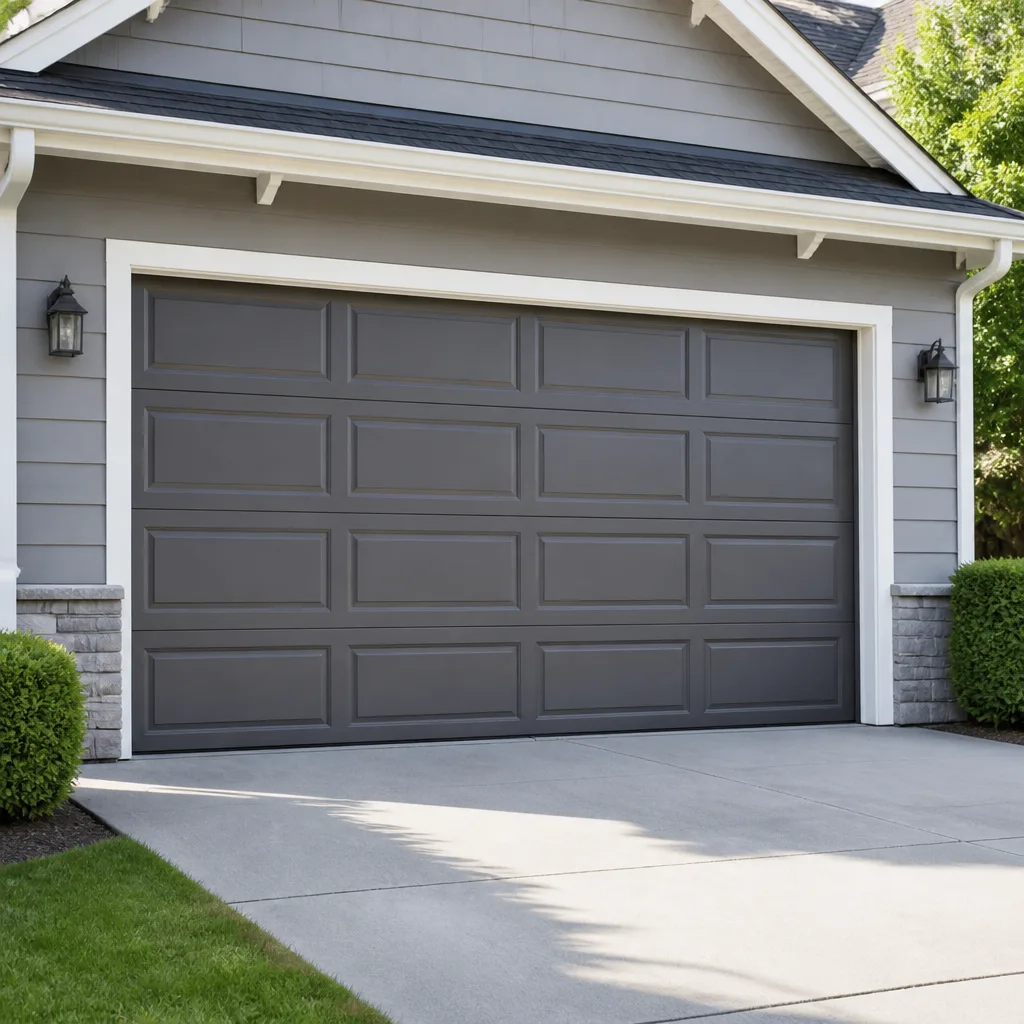 Raised-panel steel
 Carriage house
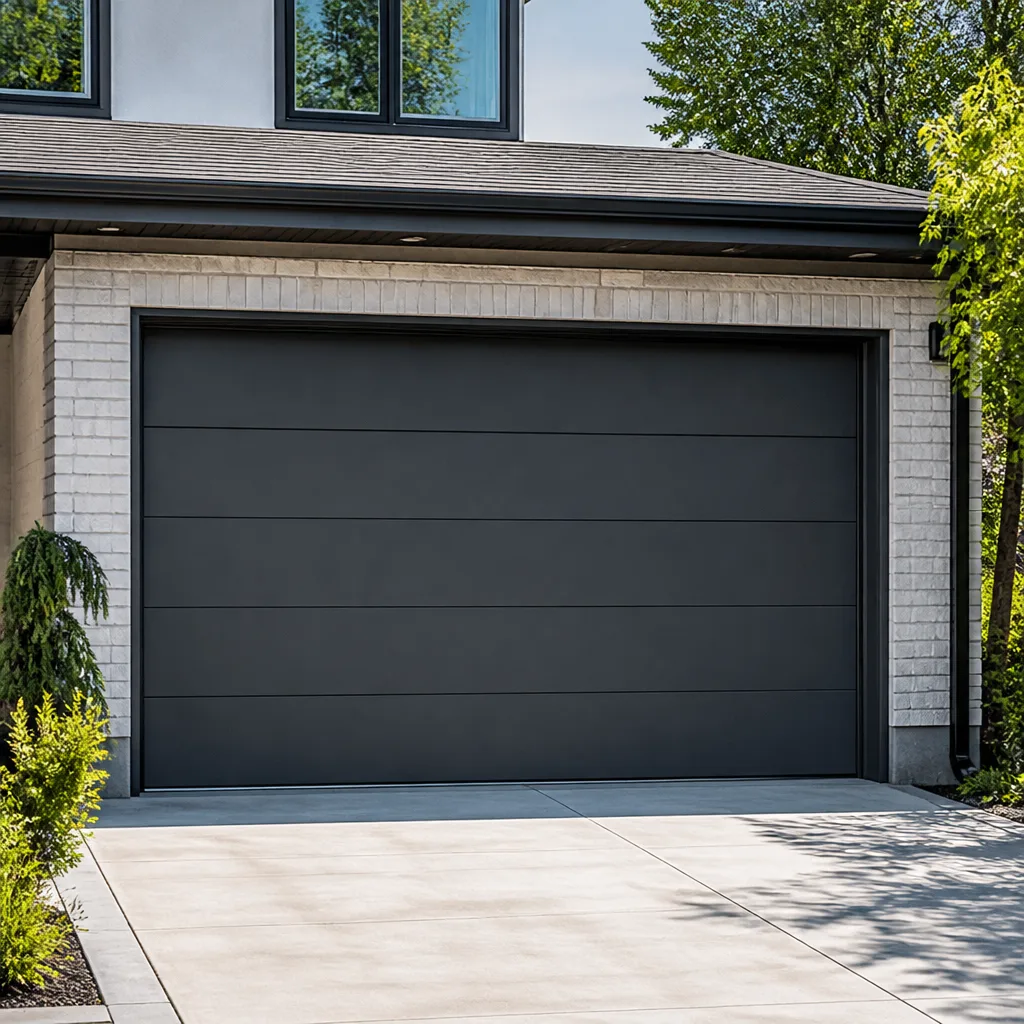 Modern flush
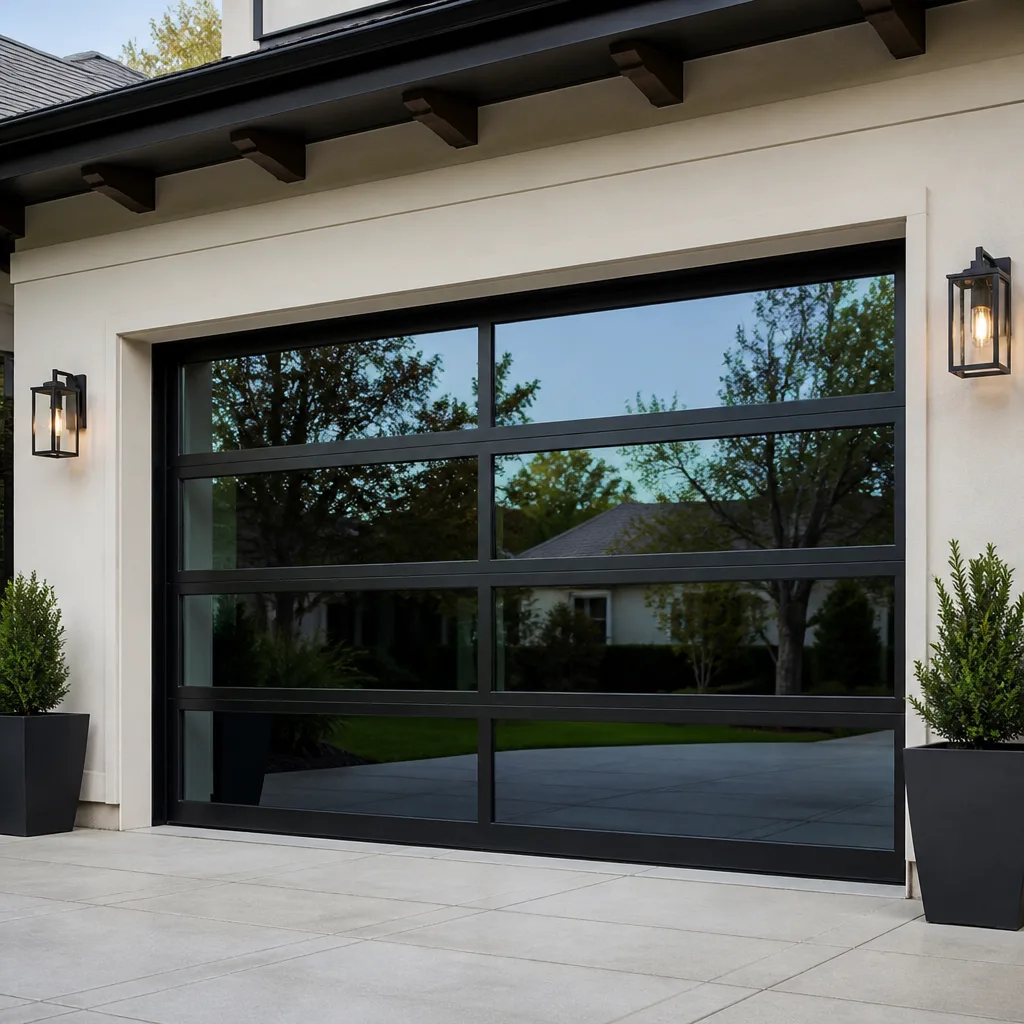 Full-view glass
 LiftMaster openers
 Chamberlain openers
Full 25-point door and opener safety check with every visit - springs, cables, rollers, tracks, and your LiftMaster or Chamberlain opener included
You get a price before we start. It does not change when the pro arrives.
Get your free estimateDIY vs Professional Garage Door: The LaGrange Homeowner’s Decision Guide
Most articles about DIY garage door repair get the line wrong. They either warn you off everything or cheerfully walk you through a torsion spring swap like it’s a shelf bracket. Neither helps. Here’s the honest version: a wound torsion spring holds roughly 100 foot-pounds of torque, and a homeowner using the wrong winding bars, or the right bars the wrong way, can break a wrist or worse. That isn’t a scare tactic. It’s the physics our technicians learn before they touch a door. This guide draws the line where it actually belongs – what’s safe for you in LaGrange, what isn’t regardless of skill level, and what the tradeoffs really cost.
Quick Answer
Safe DIY garage door tasks are limited to weather seals, lubrication, photo-eye alignment, and remote reprogramming. Spring work, cable work, and track realignment are not safe to attempt at any skill level, because those parts store or release force that can cause serious injury in an instant. Everything in between – panel replacement, opener installation, and most mechanical repairs – depends on your tools, your patience, and how the door is behaving, and that’s where a specialist earns their keep.
Styles & brands we work with
- Raised-panel steel
- Carriage house
- Modern flush
- Full-view glass
- LiftMaster openers
- Chamberlain openers
Table of Contents
- What Garage Door Tasks Are Genuinely Safe to DIY?
- What Should Never Be DIY, Regardless of Skill Level?
- The Middle Ground: Panels, Openers, and When Skill Level Matters
- Does DIY Garage Door Repair Actually Save You Money?
- How LaGrange Weather Affects Your Door and Your DIY Plans
- How to Prepare Before a Technician Arrives
- Know Your Hardware: Brands, Parts, and Why It Matters
- Common Mistakes to Avoid
What Garage Door Tasks Are Genuinely Safe to DIY?
Four jobs are safe for almost any LaGrange homeowner with basic tools and a ladder you trust. These are the ones worth doing yourself.
- Weather seal replacement. The bottom rubber seal and the side and top trim stop rain, insects, and cold air from getting into the garage. A new seal slides into the retainer or nails into the trim, depending on the door. It’s a few dollars of material and an afternoon of work.
- Lubrication. A garage door has hinges, rollers, and a track that benefit from a garage-door-specific lubricant a couple of times a year. Never use grease or WD-40 on the track itself; it collects grit and turns into a paste. A dry or silicone-based product on the moving parts is the right call.
- Photo-eye alignment. The two small sensors near the bottom of the tracks should point at each other. If the door reverses right after starting to close, one eye is usually bumped, dirty, or blocked. Wipe it, nudge it back into alignment, and check that the indicator light on each unit is solid.
- Remote and keypad reprogramming. New remote, lost remote, forgotten PIN – most LiftMaster, Chamberlain, Genie, and Craftsman openers can be reprogrammed from the unit’s learn button and the manual. Twenty minutes, no tools beyond a step stool.
None of these involve stored torsion force or tensioned cables. If you can change a light bulb and follow instructions, you can handle them. Our technicians have up to 9 years of experience, and even they’ll tell you the seal and the lube job are yours for the taking.
What Should Never Be DIY, Regardless of Skill Level?
Three categories of garage door work carry mechanical risk that no video tutorial can convey. This is not about skill. It’s about what the parts do when something goes wrong.
Torsion and extension spring work
A torsion spring above the door stores torque; an extension spring alongside the tracks stores tension in a stretched coil. Both release that force instantly if a part fails or a tool slips. Winding bars exist for a reason, and even professionals treat spring work with total focus. A snapped spring also means the door is now dead weight, which can fall partway closed if you’re holding the door and the spring fails at the wrong moment. Call in a specialist for this. Our garage door spring repair is one of the most routine call types for us, and it’s routine precisely because we do it correctly.
Cable work
The lift cables on each side are under spring tension, always. If a cable is frayed, kinked, or has jumped its drum, the correct fix involves relieving the spring tension first – which loops you straight back to the spring problem. Never try to unhook a cable from the bottom bracket to “take a look.” That bracket can whip with enough force to break bones.
Track realignment
A bent track sounds simple to fix. It isn’t. The track carries the door’s full weight through the rollers, so realigning it means the door has to be supported, the fasteners have to be set right, and the alignment has to be verified horizontally and vertically before the door cycles. An out-of-square track accelerates roller wear and can pull a panel off its hinges. Track work belongs to somebody who does it weekly.
If any of these is your situation, don’t improvise. Our garage door repair specialists handle all three as part of their normal workday.
The Middle Ground: Panels, Openers, and When Skill Level Matters
Between the clear yes and the clear no sits a wide band of tasks where experience, tools, and how the door is currently performing decide the answer.
Sectional panel replacement
Replacing a single damaged panel on a sectional door is often workable for a reasonably handy homeowner if the door uses a currently available panel style (Clopay, Amarr, and Wayne Dalton offer many current profiles) and the panel arrives undamaged. Where it goes wrong is when the door is older and the panel style is discontinued, or when the new panel’s hinges don’t line up with the existing holes. A match that looks identical on the outside might not line up on the inside.
Opener installation
A new opener install involves the motor mount, the rail, the header bracket, the arm, the safety reversing system, and either a belt, chain, or screw drive that has to be tensioned right. That’s a different job from repairing the opener you already own, which usually means a gear, a logic board, or a remote issue. If you’re replacing an existing opener with the same model family (Raynor and LiftMaster systems share plenty of mounting conventions), the swap is manageable. If you’re changing types, or the ceiling above your door isn’t where a new rail can go, call for garage door opener repair or a full install consultation.
When skill level still isn’t enough
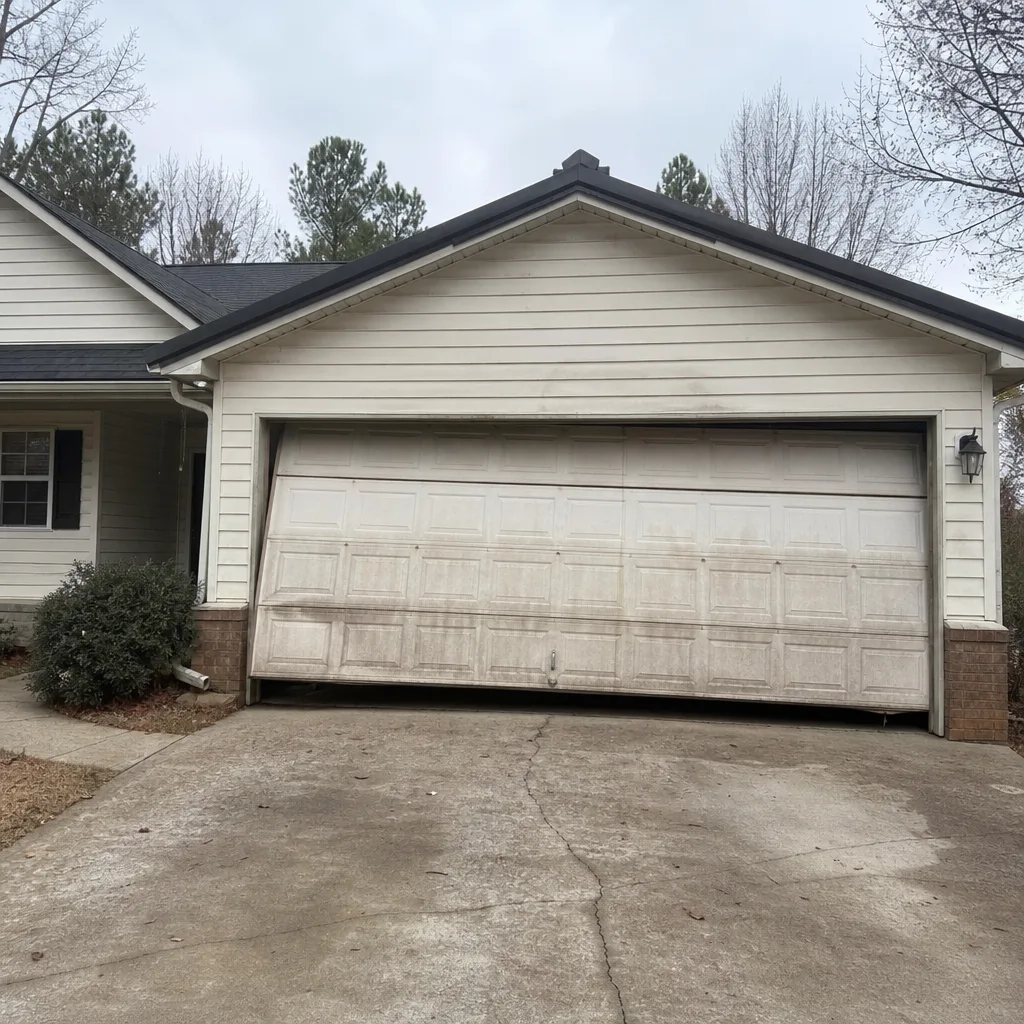
Even a competent DIYer should stop and call if: the door won’t stay closed or reverses on its own, the opener runs but the door doesn’t move, you see a gap between a roller and its track, or one side of the door hangs lower than the other. Each of those signals a mechanical issue that will get worse with running the door.
Does DIY Garage Door Repair Actually Save You Money?
Sometimes clear savings, sometimes a false economy. The math, realistically:
- Seal replacement: material cost is modest, and the job is well within reach. Real savings.
- Lubrication: a can of the right product lasts years. Real savings, and half an hour twice a year.
- Photo-eye and remote work: free or a remote’s cost, and a ten-minute job. Real savings.
- Panel replacement: mixed. If the panel matches and the door is recent, DIY saves labor. If the panel doesn’t match, you’ve spent the money and still need a pro.
- Opener install: often close to a wash. The labor on a straight swap is not large, and the risk of a mis-tensioned belt or a mis-aimed safety beam is real.
- Spring, cable, or track work: a false economy at best. The realistic outcome is you spend money on parts, then pay the repair cost on top, after a delay.
Pricing varies per job, so we quote from the written estimate rather than a chart. The written estimate always sets the final price, and you agree to it before any work starts.
How LaGrange Weather Affects Your Door and Your DIY Plans
LaGrange’s mix of hot, humid summers and cold snaps pushes on garage door hardware more than people expect. Warm-season humidity swells wood trim and gets into the seal retainer, which is why bottom weather seals wear out faster here than in a dry climate. Cold snaps tighten metal and can crack a fatigued spring on the coldest morning of the year – those early-morning failures are the most common spring calls we get.
That’s useful for planning DIY time. Late spring and early fall are the comfortable windows for seal replacement and lubrication, when you’re not climbing a ladder in August heat. If your door is on the west side of the house and takes the afternoon sun, the seal and the finish on any steel panels will age faster, so check the seal each spring. The same goes for homes in neighborhoods around downtown LaGrange, where many doors are older and on their second or third spring. Newer subdivisions on the edges of town tend to have doors with fewer seasons of wear, so seal and lube work is usually all they need for the first several years.
Storm damage is worth mentioning too. Hail is uncommon here, but wind-blown debris and fallen limbs can dent a panel or bend a track. If a storm leaves the door dented but still operating, give it a visual check from the inside before you run it – if the door cycles smoothly and the rollers stay in their tracks, a cosmetic dent can wait. If it’s dragging or binding, stop using it and call.
How to Prepare Before a Technician Arrives
You can cut billable time on almost any garage door visit by doing a few simple things first. None of them are DIY repair. They’re just making the job faster for the technician.
- Clear the floor. A garage door technician needs room to work under the door and around the tracks. Move boxes, bikes, and shelving back a few feet. This is the biggest time saver.
- Note the symptoms. Write down exactly what happens: does the door reverse, stall, grind, or not move at all? Does the opener’s light blink in a pattern? A precise symptom report can shorten diagnosis by a step or two.
- Find the model and serial numbers. The door manufacturer sticker and the opener label (usually on the motor housing or inside the light cover) tell a technician what they’re dealing with before they arrive. LiftMaster, Chamberlain, Genie, and Craftsman units all carry clear labels. Raynor doors usually have a sticker on the inside of the top section.
- Have the remotes and keypad ready. If the visit involves opener work, being able to test every remote and the wall button matters.
- Confirm the power source. If the opener is on a switched outlet or a GFCI that’s tripped, that’s worth checking before the technician comes out.
If you have documentation from an old install, keep it handy. Many Garage Door Repair LaGrange visits move faster when the homeowner has the original manual.
Know Your Hardware: Brands, Parts, and Why It Matters
The garage door trade isn’t a single product line. Different brands use different spring wire gauges, different hinge patterns, and different opener signaling protocols. A generalist may have to figure out which one they’re looking at. A specialist already knows.
Our technicians are trained on eight brands: LiftMaster, Chamberlain, Genie, Clopay, Amarr, Wayne Dalton, Craftsman, and Raynor. That means when you call and mention that your door is a Clopay or your opener is a Genie, we already know the likely parts and the likely failure points. Some doors are simply incompatible with some openers; knowing that up front avoids the wrong part showing up. We don’t claim brands outside that list; if your door isn’t one of them, we’ll tell you straight.
Why it matters for the DIY question: knowing your specific hardware tells you which repair options are realistic. A Wayne Dalton door with a proprietary torsion system is not the door for a homeowner experiment. A Raynor opener swap has more in common with a LiftMaster than a value-brand unit. The better you know your brand, the better you can tell when a task is actually within reach.
Common Mistakes to Avoid
- Cutting a torsion spring out instead of unwinding it. This is the single most dangerous DIY mistake on a garage door. The spring stores torque even when the door is down, and cutting a spring releases that force uncontrolled. Do not.
- Using WD-40 on the track. It attracts dust and grit and turns the track into sandpaper. Use a dry or silicone garage-door lubricant on the moving parts, not the track.
- Ignoring a cable that’s jumped its drum. It’s easy to nudge the cable back into place with the door down; that doesn’t fix the tension issue that caused it, and the cable can pop free again under load. Call.
- Replacing a single spring when the pair needs replacing together. Springs are installed as a matched pair on a two-spring door and age at the same rate. Replacing one leaves you back on the phone in a few months. If your door has two springs, budget for the pair.
- Forcing a door that’s stuck down. Pulling on a door with a broken spring is how shoulders and backs get hurt. Stop, and call for garage door spring repair.
- Disconnecting the opener and leaving the door up on manual. A door on manual with a failed opener or spring can fall. If the door won’t stay down, that’s an emergency call, not a next-week appointment.
- Assuming a generalist covers it. A handyman who works on doors “on the side” rarely has the spring tools or the specific brand knowledge. Garage doors are all we do.
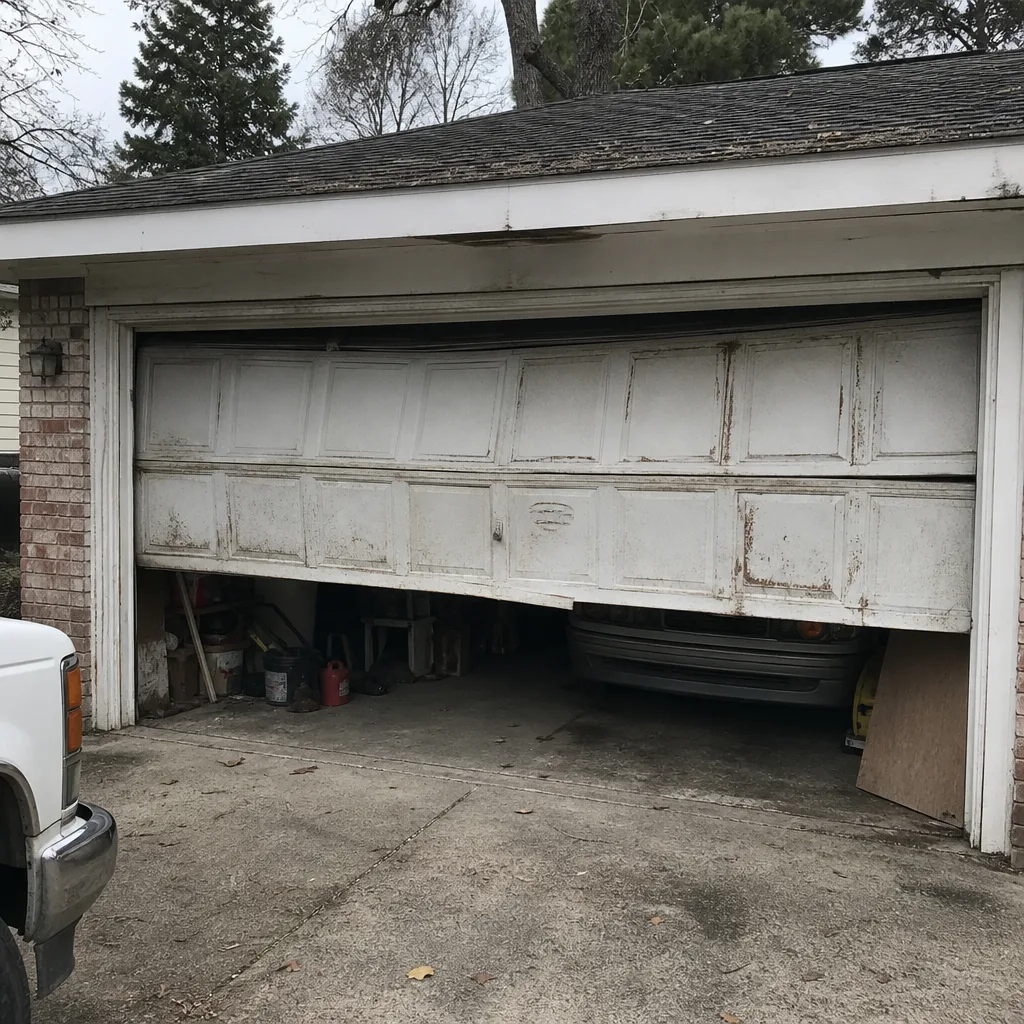
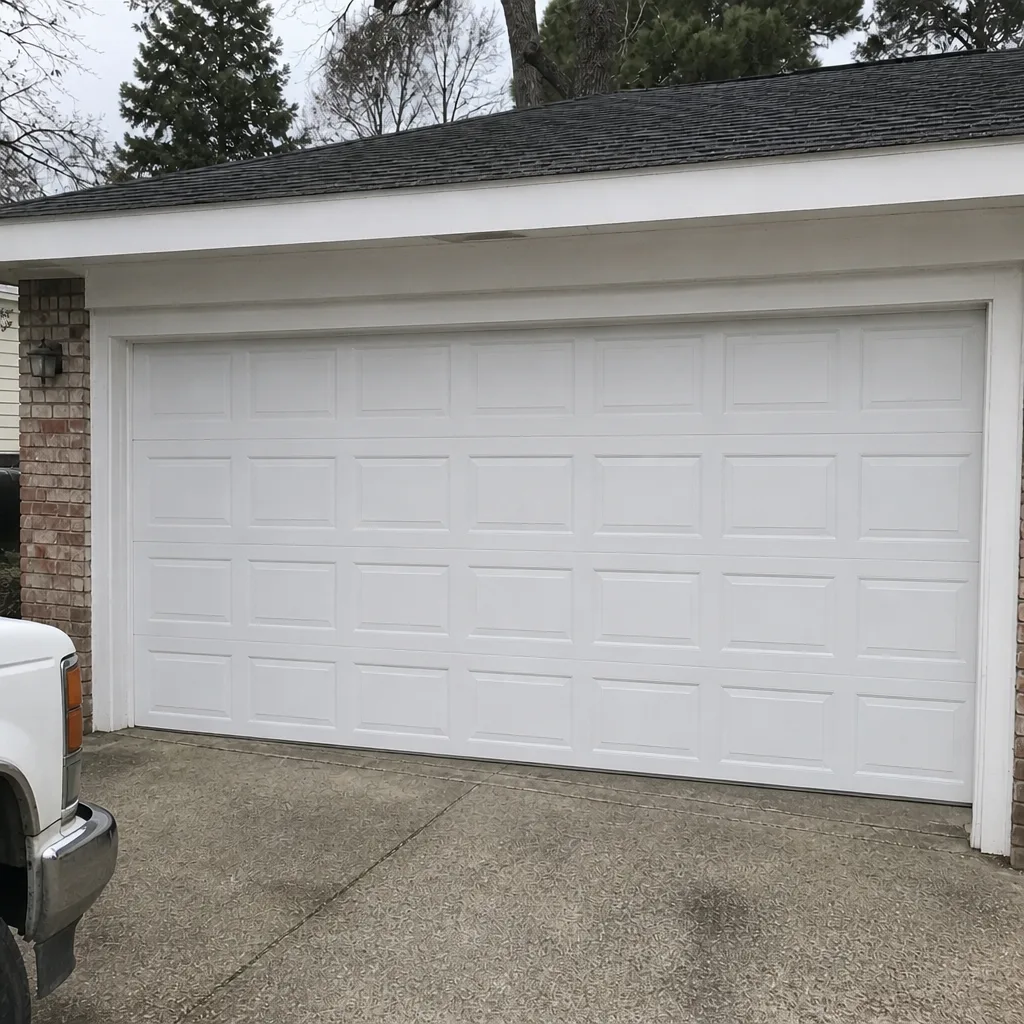
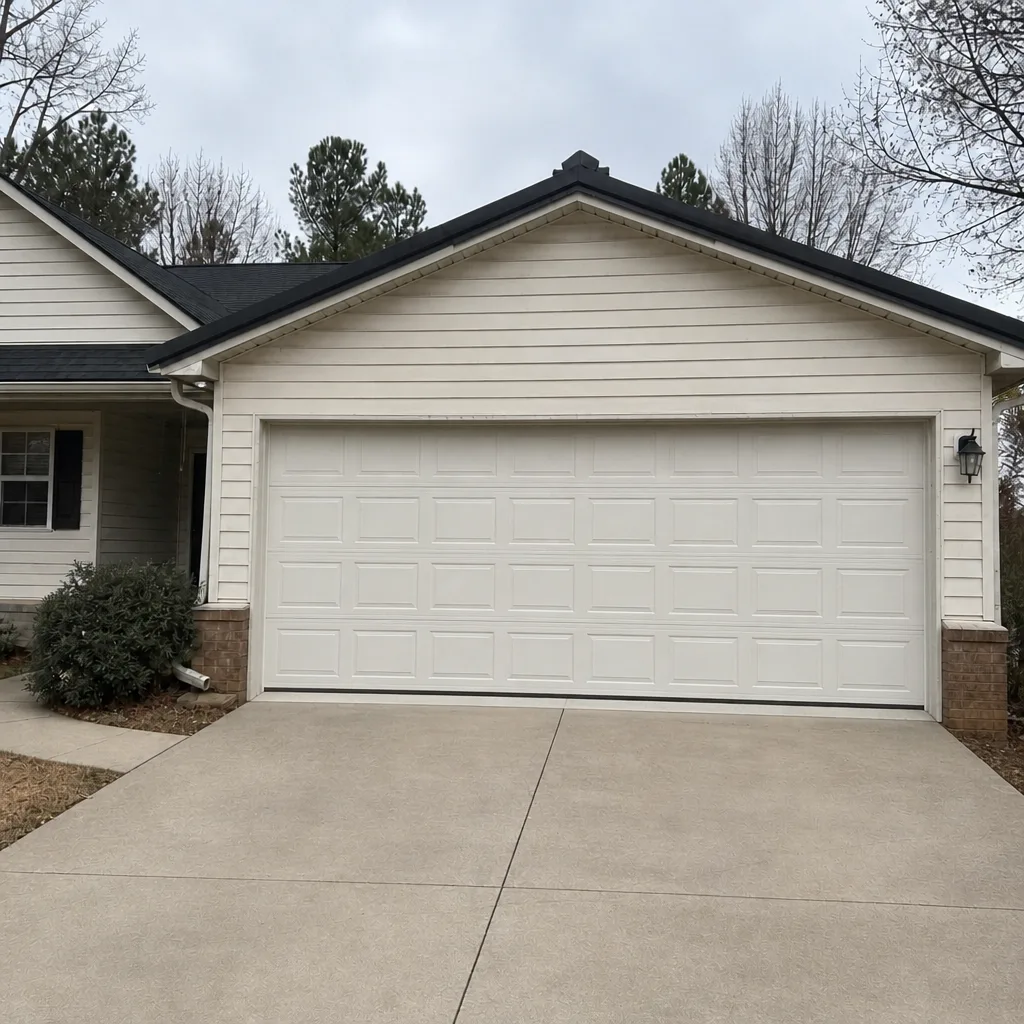
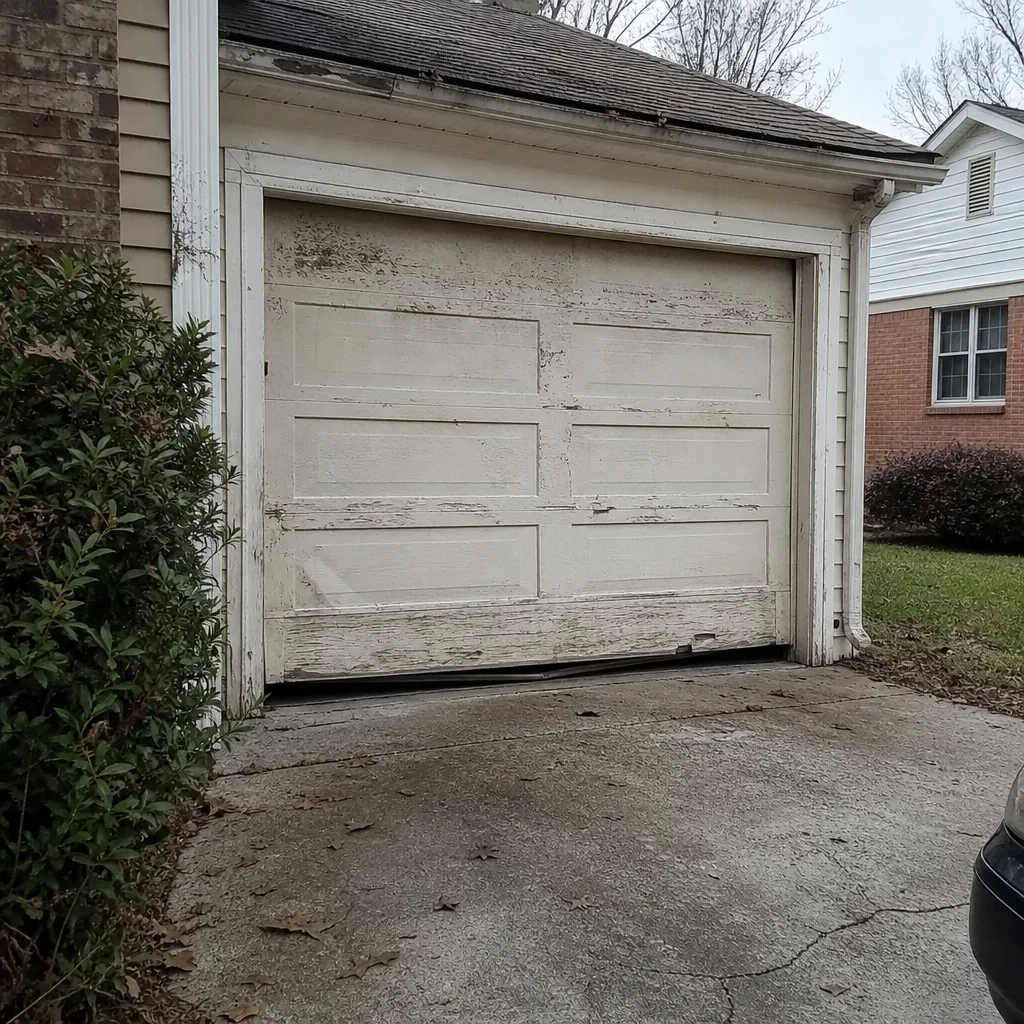
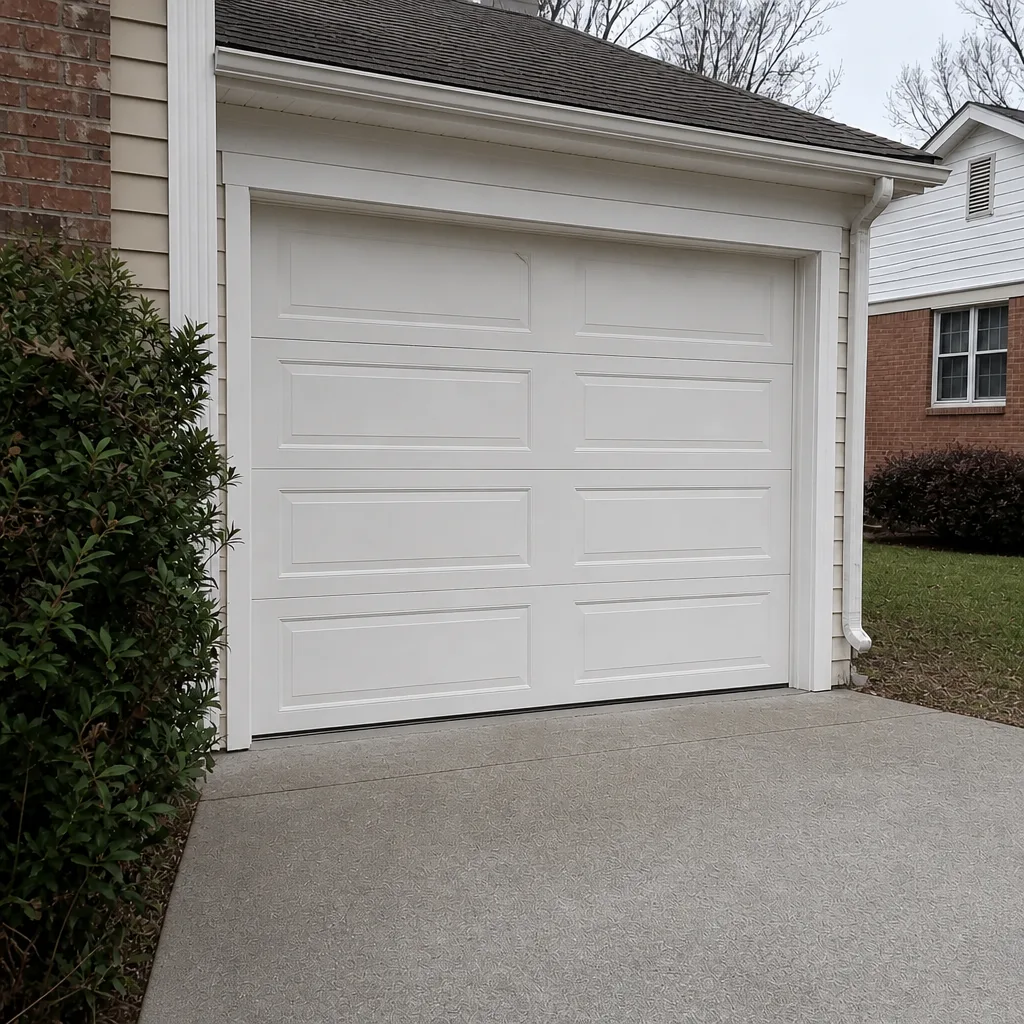
See the difference
 Before
 After
 Before
 After
 Before
 After
When to Call a Professional
Call a specialist when the door won’t open, won’t stay closed, has a snapped or visibly relaxed spring, has a frayed or jumped cable, or has a bent track – always. Call when the opener runs but the door doesn’t move, when the door reverses on its own, or when one side hangs lower than the other. Call if your DIY attempt at a panel or opener install left you more confused than when you started. And call if the door failed and you’re currently locking it with a chair, which is not a plan. Garage Door Repair LaGrange offers free estimates in LaGrange and will give you the written price before any work begins. Call (844) 543-1802. We answer 24/7. Fast dispatch from 7am to 7pm, Sunday through Friday.
Frequently Asked Questions
No, replacing a garage door spring yourself is not advisable at any skill level. A wound torsion spring stores roughly 100 foot-pounds of torque, and even a small error with winding bars can cause a serious injury in an instant. Call (844) 543-1802 for a free estimate – our technicians have up to 9 years of experience and treat spring work with total focus. Call us at (844) 543-1802.
Garage door repair cost in LaGrange depends on the specific fix, and we quote from the written estimate rather than a chart. Spring work, opener repair, and cable repair each price differently, and the written estimate always sets the final price before any work starts. Call (844) 543-1802 for your free estimate.
Yes, same-day service is available when the door creates a safety or security issue. A door that won’t stay closed is worth a call right away. Call (844) 543-1802. We answer 24/7, with fast dispatch from 7am to 7pm, Sunday through Friday.
No, the price doesn’t change after work begins once you’ve agreed to the written estimate. If the technician discovers something that genuinely changes the scope (a cracked panel under a bad seal, for example), they’ll tell you before doing anything else. Call (844) 543-1802 for an exact quote – estimates are free.
Yes, the local professionals we connect you with are licensed and insured as their state requires. Every technician works exclusively on garage doors, not a mix of trades. Call (844) 543-1802 to schedule a free estimate.
Yes. We answer 24/7. A call outside dispatch hours is booked into the next opening, Sunday through Friday, 7am to 7pm. If your door won’t open or won’t stay closed, that’s not a tomorrow problem – call (844) 543-1802 right away.
The Bottom Line
The DIY line on a garage door is real and it’s clear. Weather seals, lubrication, photo-eye alignment, and remote programming are safe and worth doing yourself. Spring, cable, and track work belong to a specialist, not because homeowners can’t learn but because the parts store enough force to injure even a careful person. Panel and opener work sits in the middle: sometimes a real savings, sometimes a mistake with an invoice attached. If you’re in LaGrange and the answer is “call somebody,” call a specialist who works on doors all day. Garage doors are all we do. Call (844) 543-1802 for a free estimate. We answer 24/7. Fast dispatch from 7am to 7pm, Sunday through Friday.
Written by the team at Garage Door Repair LaGrange.