
Last updated November 23, 2026
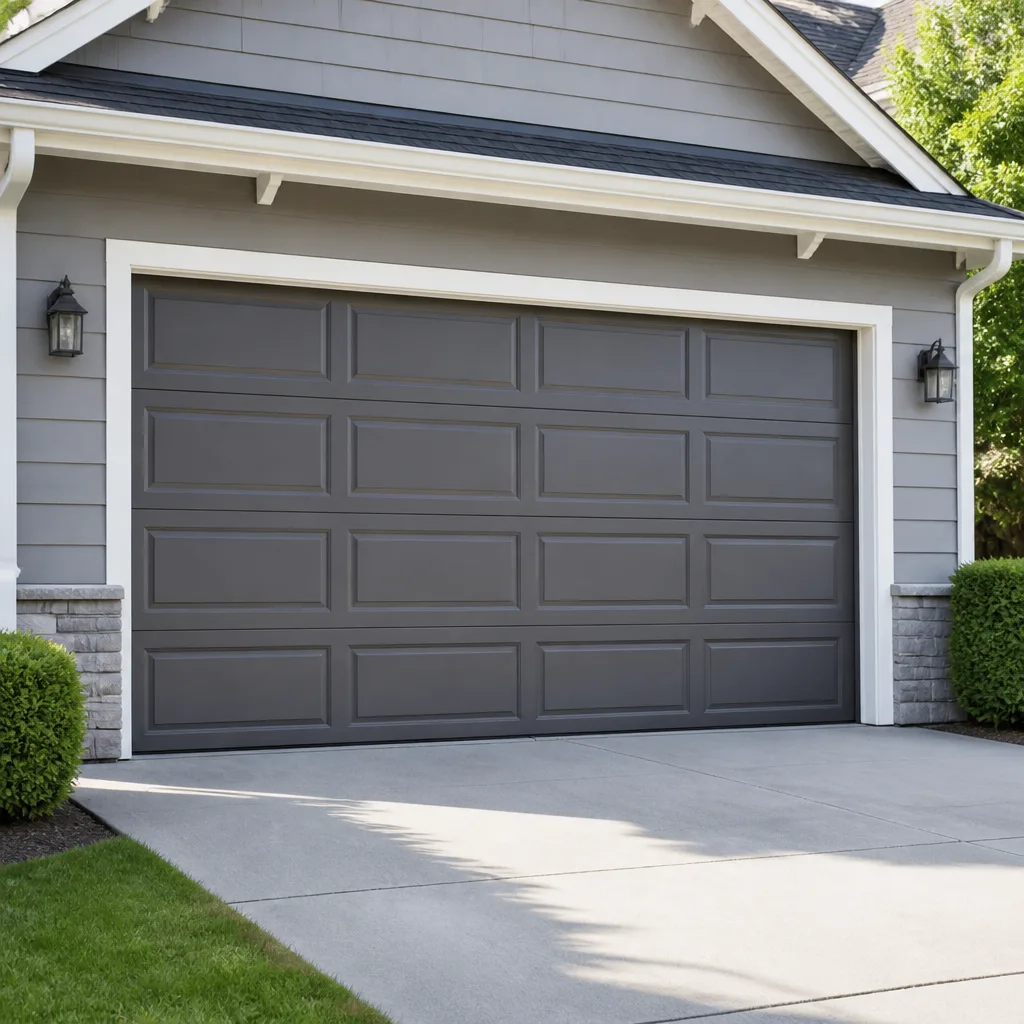 Raised-panel steel
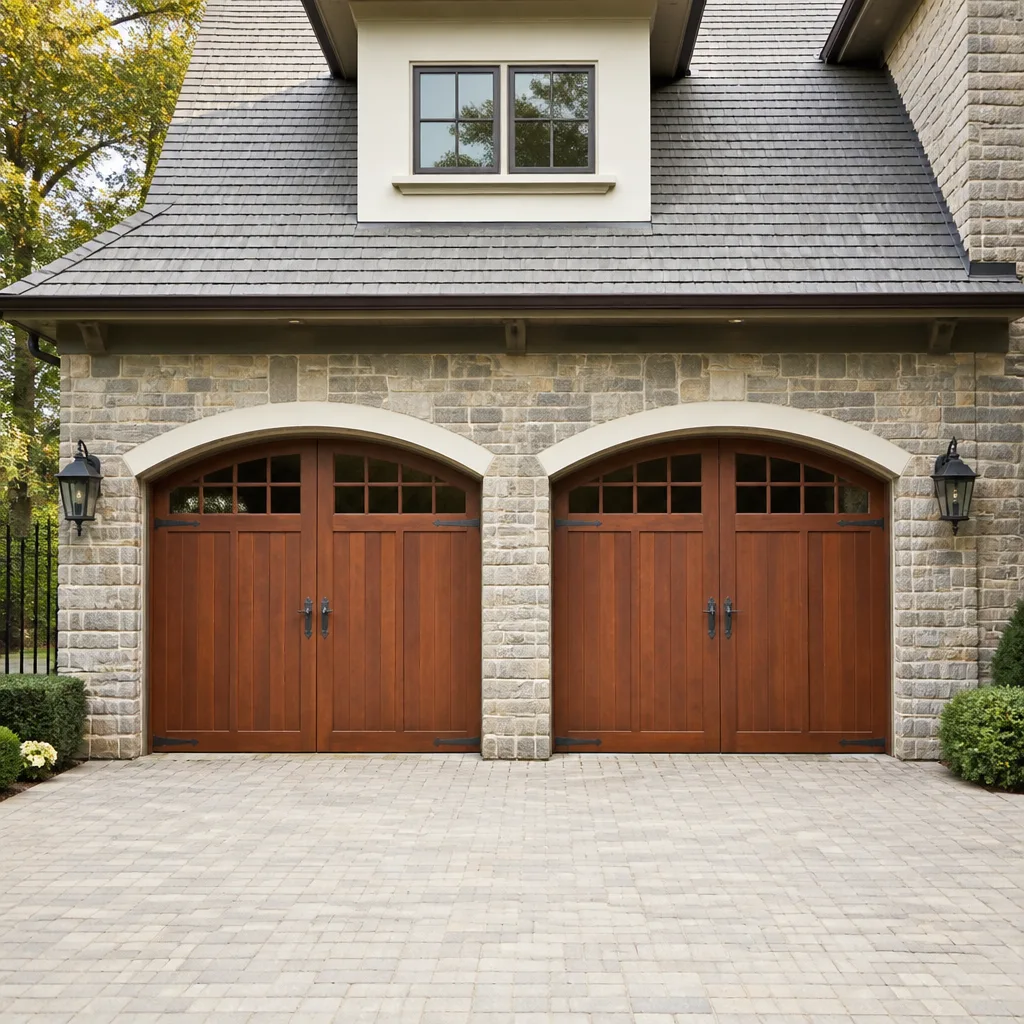 Carriage house
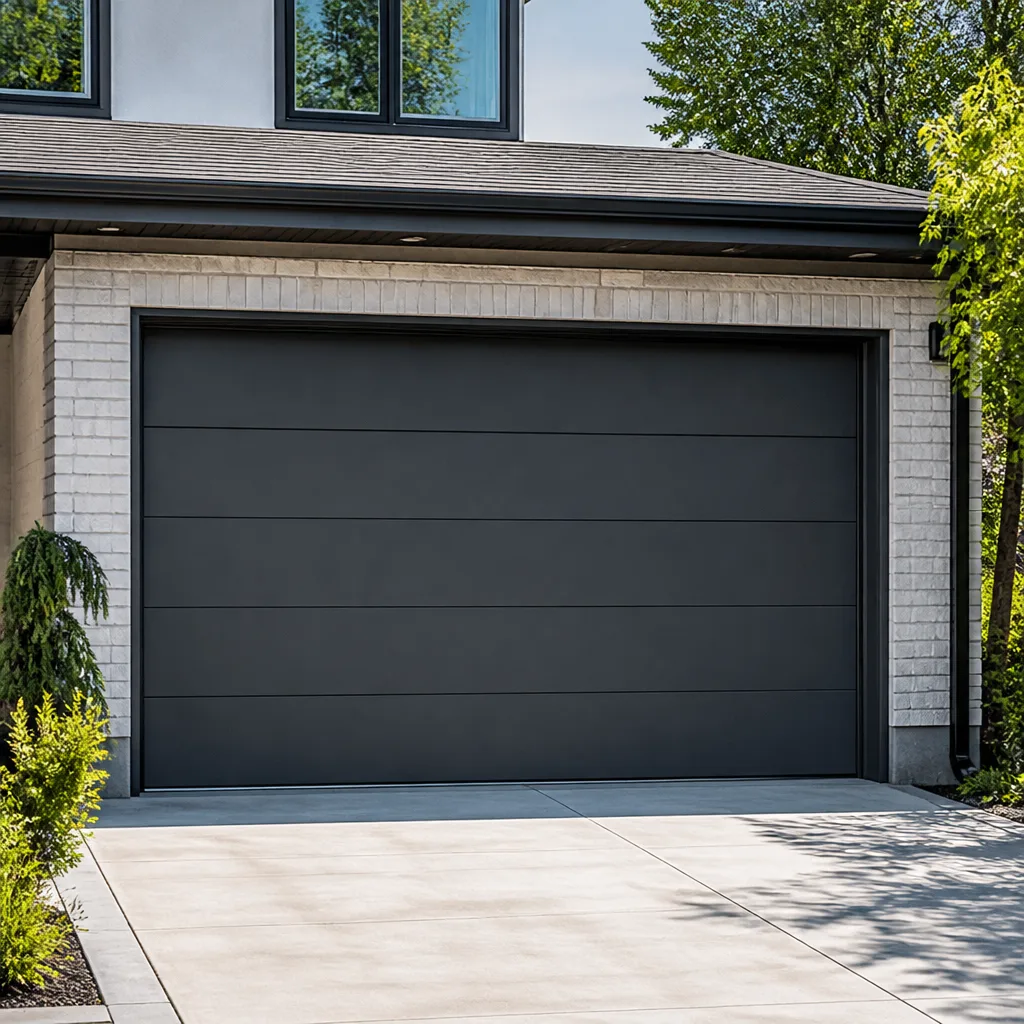 Modern flush
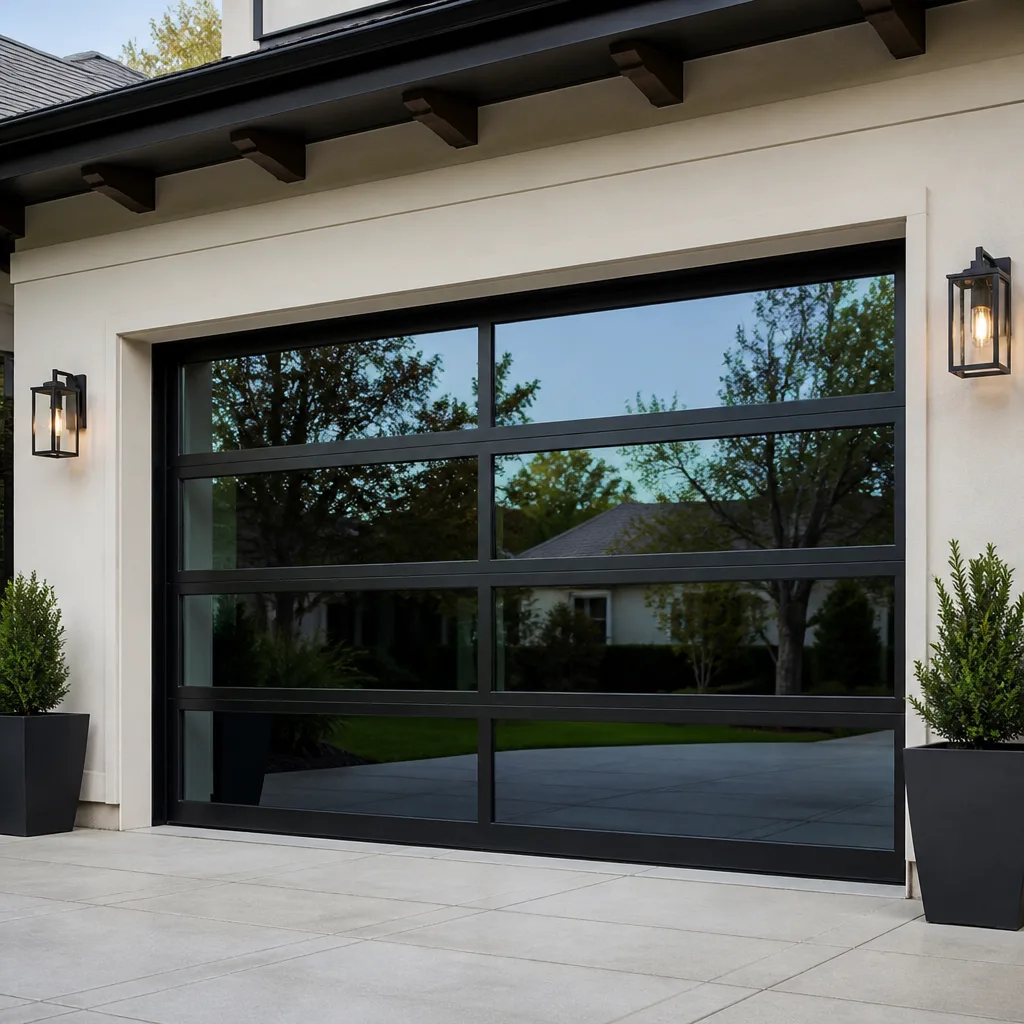 Full-view glass
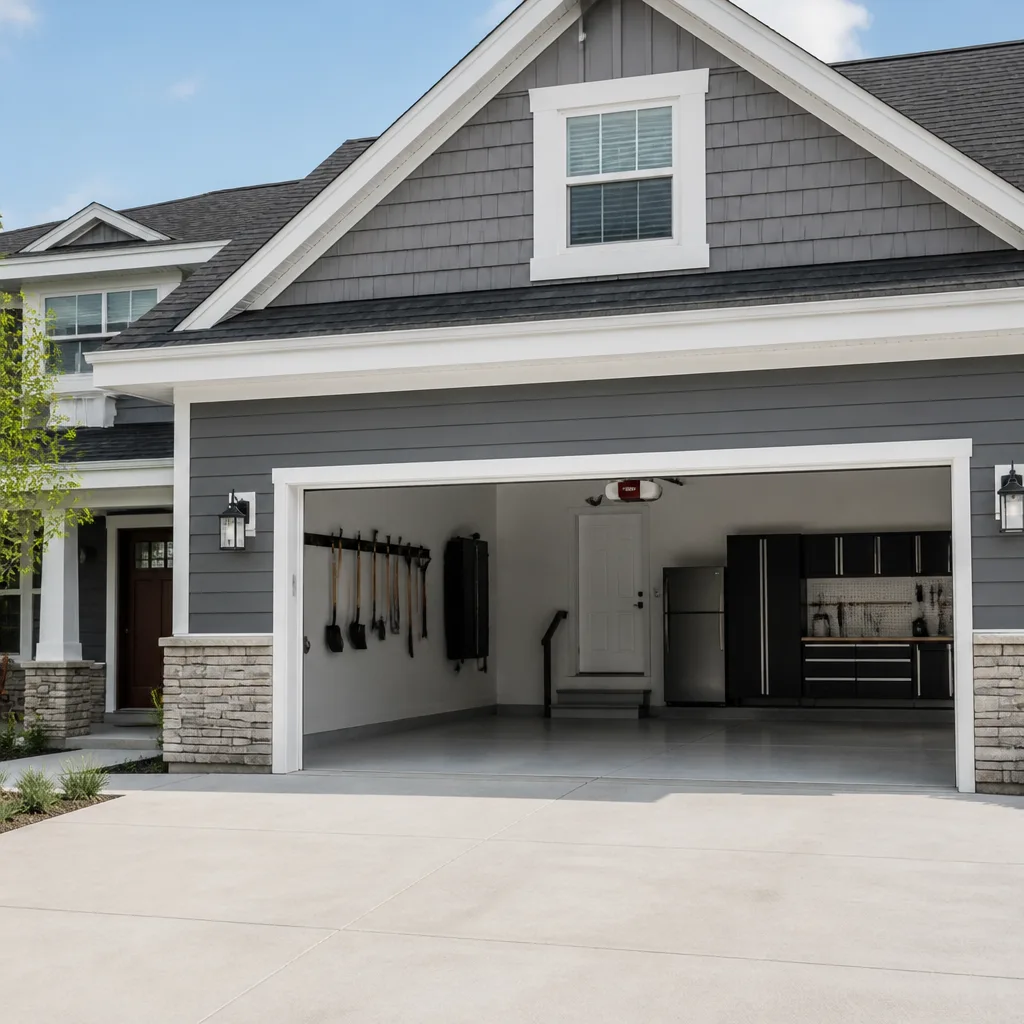 LiftMaster openers
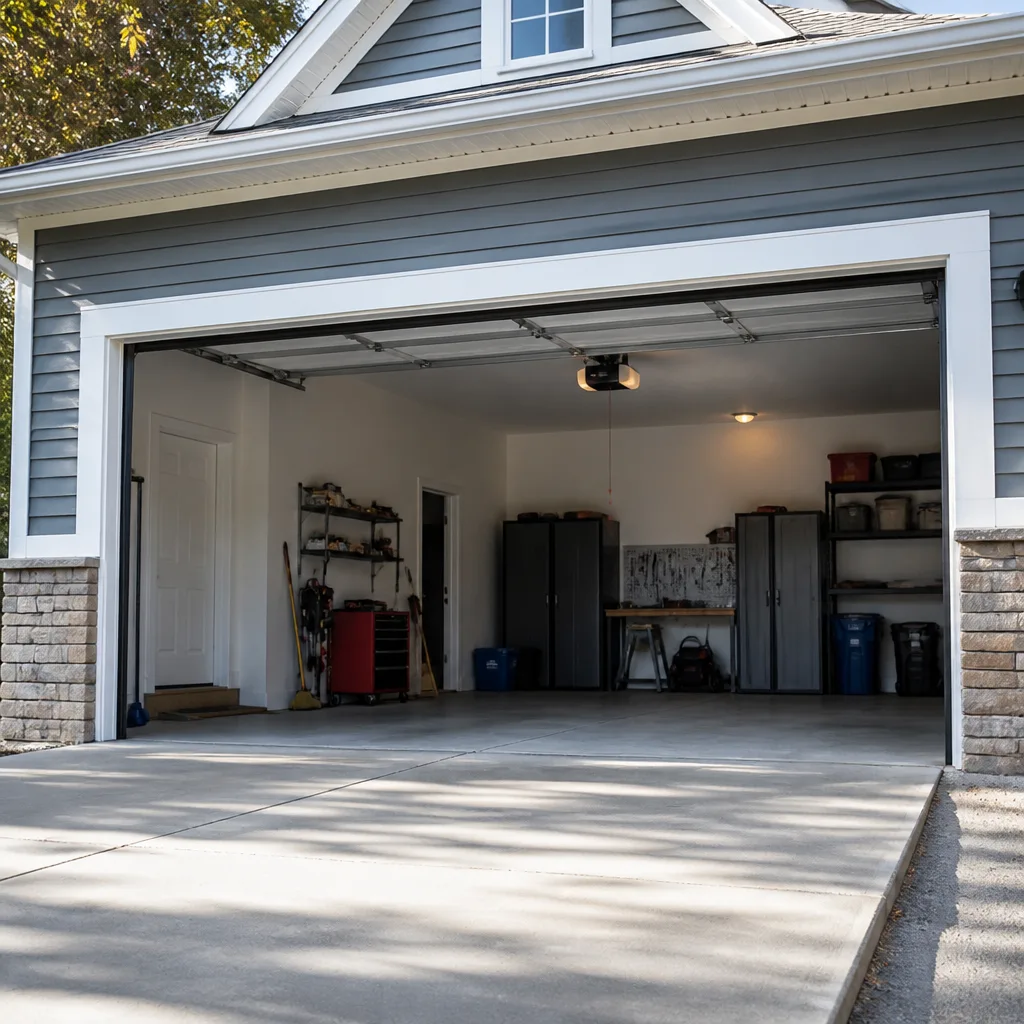 Chamberlain openers
Full 25-point door and opener safety check with every visit - springs, cables, rollers, tracks, and your LiftMaster or Chamberlain opener included
You get a price before we start. It does not change when the pro arrives.
Get your free estimateGarage Door Permits, Codes & Inspections in LaGrange, GA: What You Need to Know
Here’s a misconception we run into constantly in LaGrange: that a building permit only matters when you’re putting up a new house. Homeowners swap out a garage door, skip the paperwork, and figure nobody will ever ask. Then a buyer’s inspector flags it years later and the whole sale stalls. A straight replacement of a door into the existing opening usually doesn’t trigger a permit. Change that opening or the structure around it and you’ve crossed a line the county cares about. This guide walks you through when a Troup County permit is actually required, how Georgia’s energy code applies to insulated doors, what your HOA can say about color and windows, what happens at resale, and how to pull a permit yourself versus letting a contractor carry it. Written from LaGrange, for LaGrange.
Quick Answer
In LaGrange and the rest of Troup County, a garage door installed into an unchanged opening generally does not need a building permit. A permit is typically triggered when you widen, raise or alter the rough opening, replace or modify the structural header above the door, or attach a new door to a new wall assembly as part of new construction or a major addition. Insulated doors on conditioned or semi-conditioned garages can also fall under Georgia’s energy code requirements. When in doubt, ask the City of LaGrange or Troup County building department before the work starts.
Styles & brands we work with
- Raised-panel steel
- Carriage house
- Modern flush
- Full-view glass
- LiftMaster openers
- Chamberlain openers
Table of Contents
- When Does a Troup County Building Permit Get Triggered?
- Georgia Energy Code and Insulated Garage Doors
- HOA Overlay Rules in LaGrange Subdivisions
- What Actually Happens at a Garage Door Inspection
- What Unpermitted Work Does to a Resale in LaGrange
- How to Pull a Permit Yourself vs. Having a Contractor Do It
- Common Mistakes to Avoid
- Frequently Asked Questions
When Does a Troup County Building Permit Get Triggered?
Most garage door work in LaGrange doesn’t need a permit. The trigger isn’t the door itself. It’s the structure holding it. Understand that distinction and the rest of this guide falls into place.
Here’s the breakdown the way we see it play out:
- Like-for-like replacement, no permit in most cases. You’re pulling out a door of the same size and putting a new one into the same opening. The framing, header and wall stay as they were. This is the standard scenario for most residential replacements.
- Widening or raising the opening, permit almost always required. When you enlarge a garage door opening, you’re cutting into the wall and altering the header above it. That header carries load. A structural change like this runs through the county permit process.
- Header replacement or modification, permit required. If sagging or rot means the beam above the door needs swapping or reinforcing, that’s structural work and it’s permitted.
- New construction or additions, permit required as part of the parent project. A door on a new wall assembly goes in under the building permit already pulled for construction.
- New track, opener or spring on an existing opening, no permit. These are mechanical components inside the same opening and don’t trigger a building permit. Spring work still belongs with a trained technician.
The rule of thumb: if the door goes back into the same hole with the same structure, you’re likely fine. If you’re changing the hole or the structure, pick up the phone and ask the building department. The City of LaGrange and Troup County handle these questions routinely and would rather answer before the work than inspect after.
If your door is damaged and you’re weighing a repair against a replacement, our guide to garage door repair covers the decision points that matter before you commit to either route.
Georgia Energy Code and Insulated Garage Doors
Georgia’s energy code applies to the thermal envelope of your home, and a garage door is part of that envelope when the garage is conditioned or semi-conditioned. That last detail matters for a lot of LaGrange homes where the garage doubles as a workshop, storage for temperature-sensitive items, or a space the family actually uses.
Here’s the important thing to understand: the insinuated garage door you buy at a box store has a stated R-value on the label. Whether that R-value satisfies what’s required for your assembly depends on how the garage is classified and what the rest of the envelope looks like. (Note: we mean the insulated door itself, not “insinusated” – that’s a typo you’ll see on a lot of low-quality sites. The R-value on the door label is what the inspector looks at.)
What inspectors typically check:
- The door label. Door manufacturers print the R-value on the door or on the paperwork that ships with it. Keep it. It’s the first thing an inspector asks for.
- The assembly. The door’s rated R-value isn’t the whole story. The weatherstripping, threshold seal and how the door meets the frame all matter to the envelope.
- The garage classification. A garage fully inside the thermal envelope is treated differently from one that’s exposed. Know which you have before you buy.
- The installation itself. An insulated door hung poorly leaks air and fails the intent of the code regardless of the label.
In practice, most standard replacements in LaGrange don’t pull an energy inspection on their own. But if your project is part of a larger permitted scope (an addition, a conversion, a rebuild of the wall), the inspector will look at the door as part of the envelope and the R-value question comes up. Best answer: ask the building department whether your specific project pulls the energy review, and buy a door whose label you can put in the file.
We work on insulated and non-insulated doors from Amarr, Wayne Dalton, Clopay and other major brands, so we’ve seen the label issue come up in real projects around LaGrange. When the label matters, it matters.
HOA Overlay Rules in LaGrange Subdivisions
County code sets the floor. An HOA sets the ceiling. In LaGrange, some subdivisions have architectural review committees that restrict garage door style, color, window configuration, and sometimes even the material. These rules run in parallel with the county permit and are entirely separate from it. You can pass the county inspection and still fail your HOA’s architectural review.
Before you buy a door, check three things:
- Pull your HOA’s current architectural guidelines. Not the copy from the neighbor who installed three years ago. Get the current version from the association.
- Submit the review request before you order. Most architectural review committees want to see the door model, color samples, window layout, and sometimes a photo mockup. Some want it in writing before delivery. Do it early.
- Get the approval in writing. Verbal sign-off doesn’t survive a change in board members or a dispute at resale. Keep the signed approval with your home records.
Common restrictions in LaGrange-area subdivisions include:
- Restricted color palettes, often matched to the home’s trim or siding.
- Styles that must match the existing architectural character of the street.
- Window configurations (no windows, certain panel layouts, or a specific style only).
- Material requirements (steel, wood-look steel, or specific manufacturers).
- Mandatory pre-approval for any visible exterior change.
If you don’t know whether your subdivision has an HOA, that’s the first question. A quick look at the closing documents from your home purchase usually settles it. Where there’s an active architectural committee, it can flag a door that meets every county rule but breaks the neighborhood pattern.
What Actually Happens at a Garage Door Inspection
A permitted garage door project in LaGrange usually involves at least one inspection. Here’s the sequence, and what inspectors actually look at:
- Rough framing inspection. If the opening was modified, the inspector wants to see the framing and header before the door goes in. This is where structural changes get verified.
- Door installation. The door, tracks, springs and opener go in after the framing is signed off.
- Final inspection. The inspector checks the door operation, the safety reverse on the opener, the label on an insulated door if energy code applies, and whether the door sits and seals correctly.
What inspectors typically focus on:
- Safety reverse test. The opener’s auto-reverse must trip when something blocks the door path. Inspectors run this test themselves.
- Photo-eye alignment and function. The opener’s safety sensors at the door threshold must be aligned and working.
- Door travel and balance. The door must open smoothly and stay put at mid-height.
- Structure and mounting. Tracks, brackets and spring mounts must be attached to solid material.
- Energy label. If the project is under the energy envelope, the R-value label gets looked at.
Springs and cables are a different matter. They don’t come up as a permit or inspection item on most projects, but they’re the highest-tension part of the system and the place where DIY runs into real danger. garage door spring repair is work we recommend leaving to a technician every time; store door cables and springs carry enough stored energy to injure someone badly, and no inspection sign-off replaces a trained hand.
What Unpermitted Work Does to a Resale in LaGrange
This is the part most homeowners only learn about at the wrong moment. When you sell a home in Georgia, the seller’s property disclosure statement asks about improvements and whether permits were obtained. Unpermitted work discovered during a buyer’s inspection can turn into a negotiation issue. Sometimes it’s small: the buyer asks for a credit. Sometimes it’s bigger: the sale stalls until the work is brought into compliance, which means going back through the county with a permit application, an inspection, and potentially disassembly to see what’s behind the wall.
The problem is that unpermitted work tends to surface late. Buyers’ home inspectors look at garage doors closely because they’re large moving components attached to the structure. If the opening was widened without matching framing, that shows up. If the header shows signs of stress, that shows up. If the door doesn’t sit right, that shows up. The county’s own records are checkable, and a buyer’s agent who knows their business will check them.
In practical terms, avoiding that outcome is simple:
- Get the permit when the work triggers one. The inspection takes a few hours of your time. Repairing an unpermitted project later takes much more.
- Keep the inspection record. The signed-off permit is the proof that closes the question at resale.
- Disclose honestly if work was done without a permit. Georgia disclosure rules work better for you when you state the facts plainly than when a buyer finds them out later.
- Document the work. Save the door spec sheet, the R-value label, and any HOA approval. They answer the same question the permit does when a buyer asks.
If you’re unsure whether a past project on your home was permitted, the building department can look up the record. Do it before a buyer’s inspector does.
How to Pull a Permit Yourself vs. Having a Contractor Do It
In Troup County, a homeowner can pull a building permit for work on their own primary residence. It’s a legal route and sometimes the right one. The tradeoff is what sits on your shoulders after the permit is issued. When a contractor pulls the permit, the contractor is responsible for the scope of work being compliant and for getting the inspections signed off. When you pull it, that responsibility is yours.
Pulling it yourself, step by step:
- Call the City of LaGrange or Troup County building department. Tell them what you’re proposing, including whether the opening is being modified. Ask which office handles your address (city vs. unincorporated county).
- Submit the application with plans. Expect to provide a drawing or scope description of the work, plus the door specification sheet. For a modified opening, expect to describe the structural changes and how they’ll be built.
- Schedule the rough framing inspection before the door goes in. This is a common stumble for DIY owners – the door goes in, the framing can’t be seen, the inspection can’t be signed off.
- Complete the work, then schedule the final. The inspector runs the door through its operation, checks the safety reverse, and confirms the installation matches the approved scope.
- Keep the signed-off permit in your records. It’s the document you’ll need at resale.
When a contractor pulls it, the same steps happen but the contractor handles the inspection scheduling, the framing sign-off timing, and the final. The paperwork ends up in their name and the responsibility for compliance goes with it. In our experience, most homeowners who need a permitted project would rather have a licensed local professional carry the permit than manage the inspection sequence themselves, and that’s a fair call.
One note: we’re a garage door specialist, not a general contractor, and the structural work on a widened opening usually sits with a licensed contractor in Troup County. We handle the door and opener side, and we’ll tell you clearly when a project needs structural work outside our scope so you can bring in the right trade.
Common Mistakes to Avoid
- Assuming a big door means a big permit. A full replacement into an unchanged opening often doesn’t need a permit; a small change to the opening almost always does. Size isn’t the trigger. Structure is.
- Ordering the door before checking the HOA. A door delivered before architectural review approval sits in the driveway and can create a return you can’t cover. Get the approval in writing first.
- Letting the door go in before the framing inspection. If the permitted scope includes structural changes, the inspector needs to see the framing before the door covers it. Sequence this correctly or the inspection can’t happen.
- Not keeping the R-value label. On an insulated door, the label is the documentation. Once it’s in the trash, you’re hunting down a replacement from the manufacturer.
- Treating HOA rules and county code as the same thing. They’re separate. You can pass one and fail the other, and in LaGrange subdivisions with active architectural review, both come into play.
- Forgetting the disclosure at resale. Georgia’s seller disclosure rules ask about unpermitted work. Get ahead of it with documentation rather than waiting for a buyer’s inspector to find the issue.
- DIY-ing a spring replacement. This isn’t a code mistake. It’s a safety one. Springs and cables are under high tension and can cause serious injury. Leave them to a technician.
See the difference
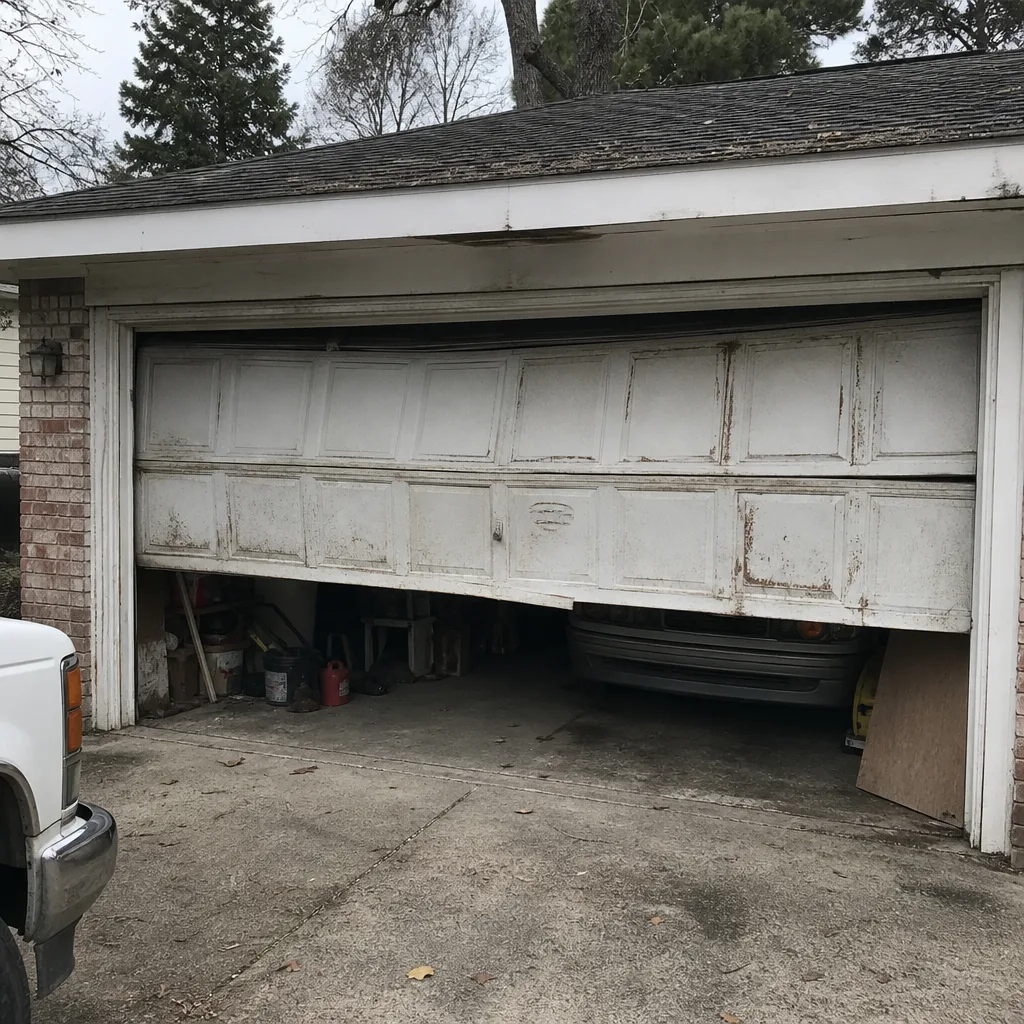 Before
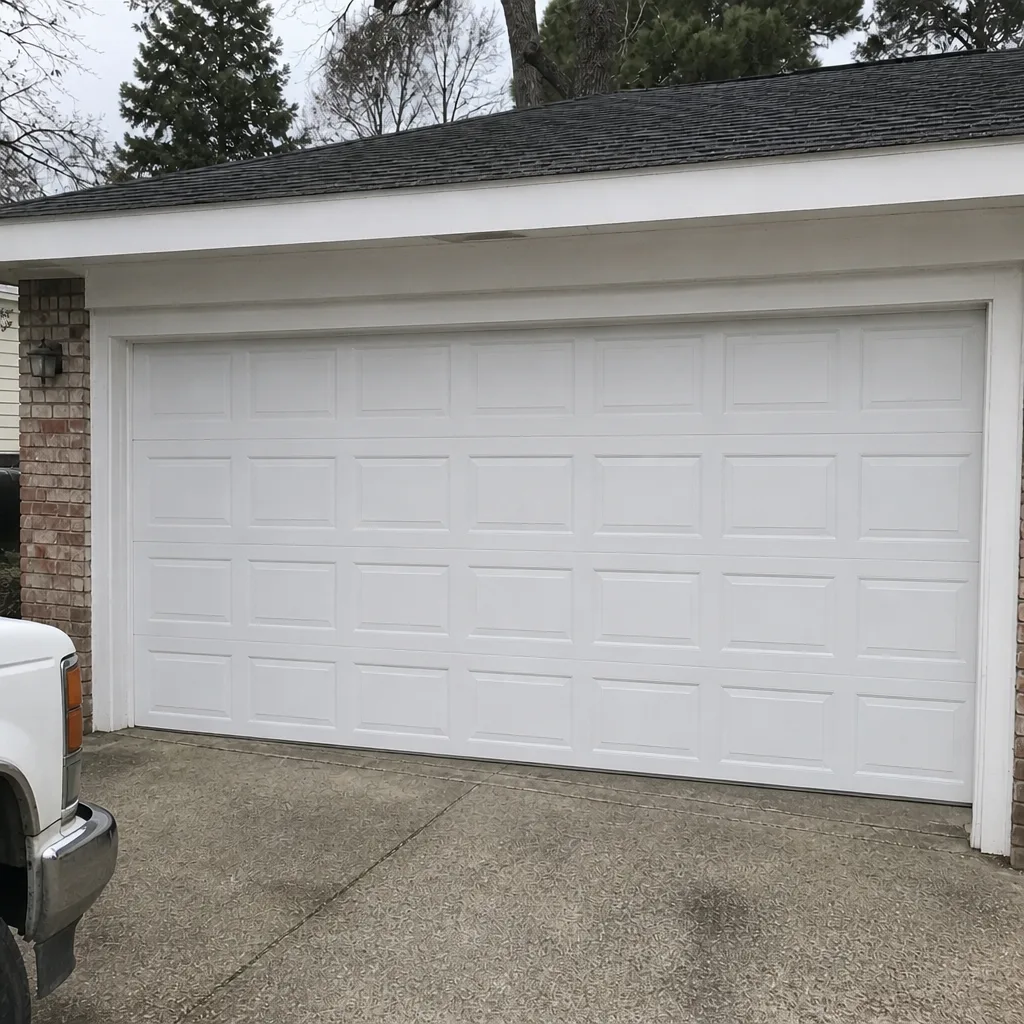 After
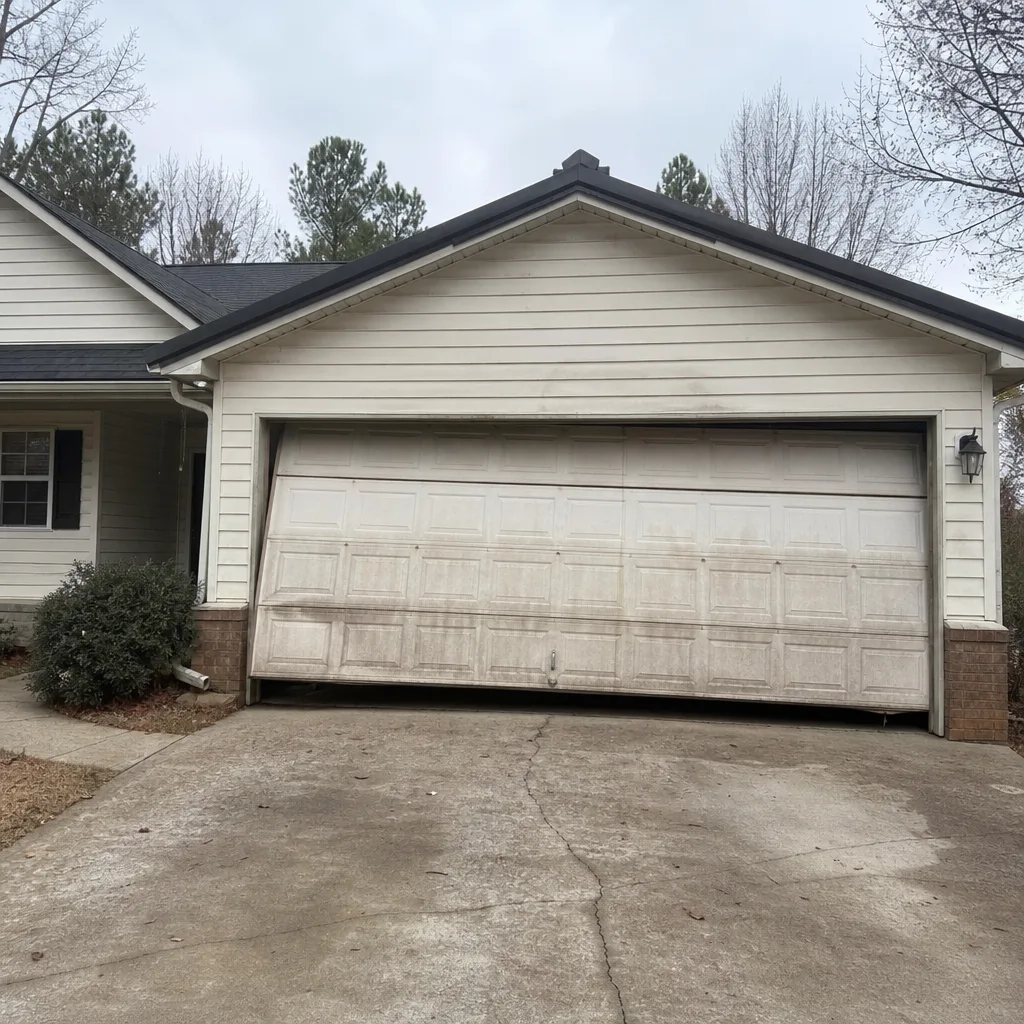 Before
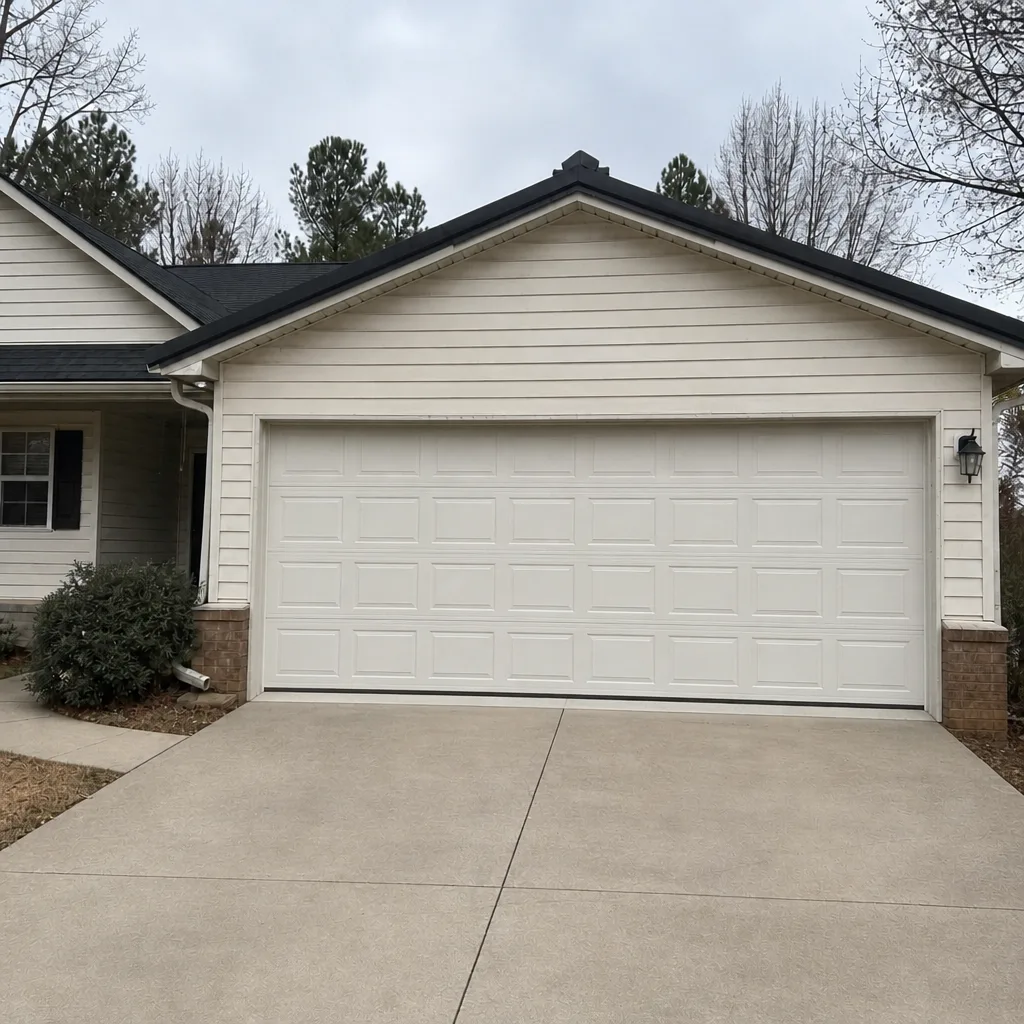 After
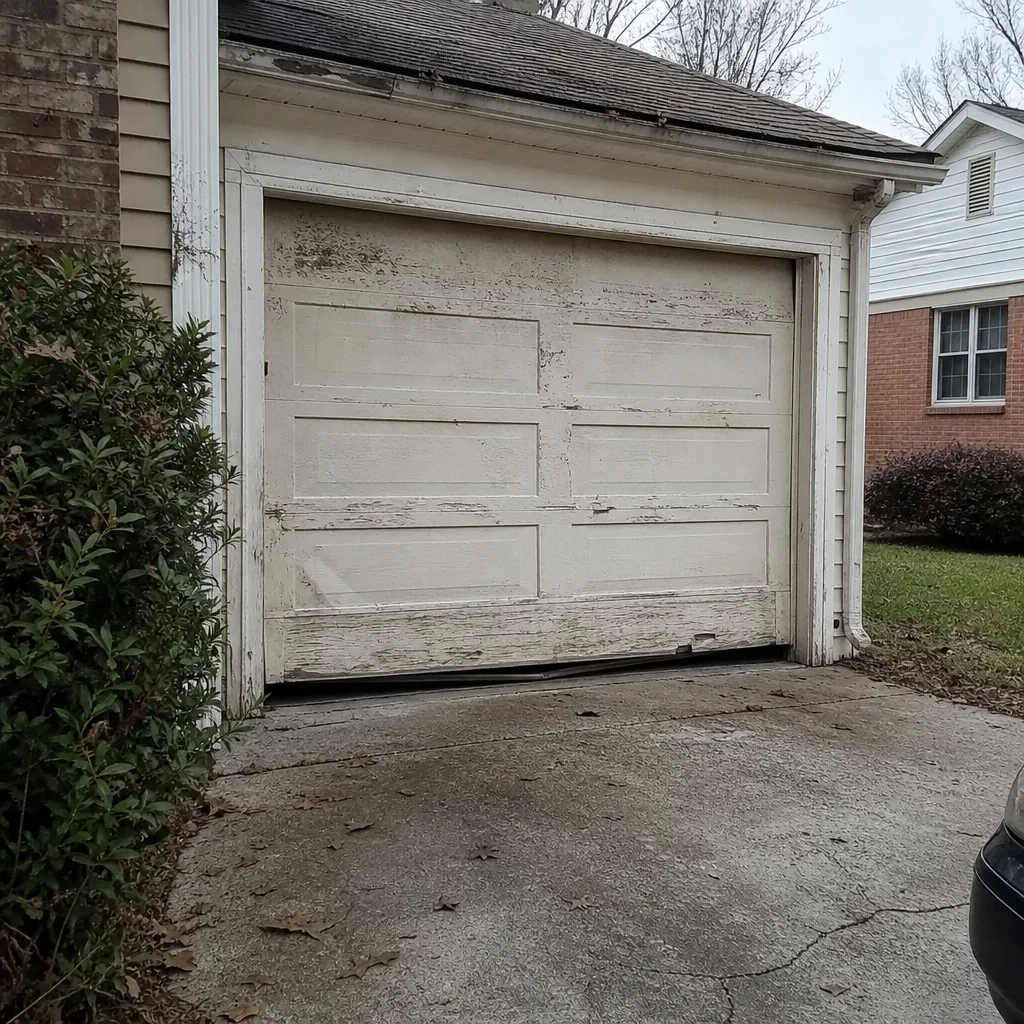 Before
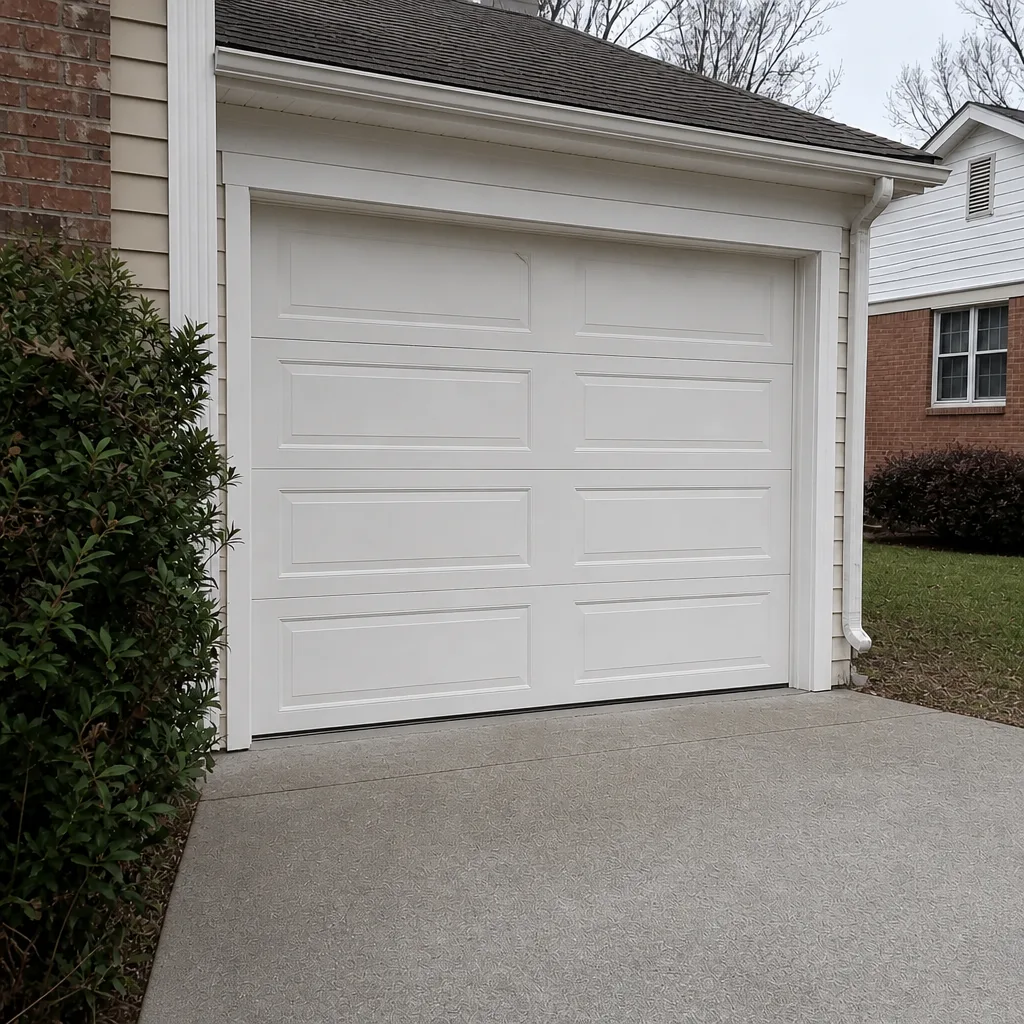 After
When to Call a Professional
Some jobs on this list are a phone call. Others are a paperwork problem you can solve at the counter. The short list for calling us: a broken or snapped spring, a door that won’t stay closed, a cable that has slipped or failed, an opener that won’t reverse on test, or a door that’s off track. Those are the calls where a trained hand makes an immediate difference and where DIY can go wrong fast. If you need garage door opener repair, we’ll run the safety reverse test and check the sensors as part of the job.
For a new door on a widened opening, or a project that touches the structure, you’ll want a licensed contractor handling the structural side and the permit. We handle the door and opener as the specialist on the job. Where the whole project is a straightforward replacement into an existing opening, that’s a free measure and a written quote from us; no permit issues in most cases.
Garage Door Repair LaGrange offers free estimates in LaGrange. Call (844) 543-1802. We answer 24/7. Fast dispatch from 7am to 7pm, Sunday through Friday. Emergency garage door service is available when a broken door needs immediate attention.
Frequently Asked Questions
Most straightforward garage door replacements in LaGrange don’t need a building permit. A permit is typically triggered when the opening is widened, raised or modified, when the header above the door is replaced or altered, or when the door is part of new construction. Call the City of LaGrange or Troup County building department to confirm your specific project before the work starts. For an exact quote on the door side, call (844) 543-1802 – estimates are free.
It can, depending on how the garage is classified and whether the project is part of a larger permitted scope. When the door is part of the thermal envelope, inspectors typically look for the R-value label on the door. Buy a door with a clear label and keep the documentation. If you’re unsure whether your project pulls the energy review, ask the building department, then call (844) 543-1802 for a written door quote.
Yes. HOA architectural review rules run separately from county code, and many LaGrange subdivisions restrict door style, color, window configuration or material. County approval doesn’t override HOA rules. Get the current guidelines and written approval before you order. Once you know what’s allowed, call (844) 543-1802 for a free measure and a written price.
Georgia’s seller property disclosure statement asks about improvements and permits, so unpermitted work has to be disclosed. A buyer’s inspector can flag structure and installation issues, and the county records are checkable. The cleanest path is a permit pulled before the work, with the signed-off inspection kept in your records. If you’re facing this now, call (844) 543-1802 to talk through the door side of the project.
No. We measure, then we quote, then we schedule. The written estimate sets the final price and it’s agreed before any work starts. If a structural issue comes up that’s outside our scope, we’ll tell you and stop rather than broaden the job quietly. Call (844) 543-1802 for a free measure and a written price – estimates are free.
The local professionals we connect you with are licensed and insured as their state requires. Our own technicians bring up to 9 years of experience to the work, and we specialize exclusively in garage doors, openers, springs and installations across the leading brands. Call (844) 543-1802 to book a visit. We answer 24/7. Fast dispatch from 7am to 7pm, Sunday through Friday.
The Bottom Line
In LaGrange, the permit question for a garage door comes down to structure. A door back into the same opening usually doesn’t need one. Change the opening or the header, and it usually does. Layer on Georgia’s energy code when the door is part of the envelope, HOA architectural review when your subdivision has one, and the resale disclosure question when work was done without a permit, and you have the full picture. Handle it in that order and you won’t discover a paperwork problem years later. When the door itself needs work, from a snapped spring to a complete new installation, our technicians cover it and will tell you honestly when a project needs the permit process and a licensed contractor on the structural side. Call (844) 543-1802 for a free estimate. We answer 24/7. Fast dispatch from 7am to 7pm, Sunday through Friday. Our technicians have up to 9 years of experience, and we’re trained on Amarr, Wayne Dalton, Craftsman, Raynor and the other leading brands you’ll find in LaGrange garages. For the full range of what we do, see Garage Door Repair LaGrange.
Written by the team at Garage Door Repair LaGrange.