
Last updated November 23, 2026
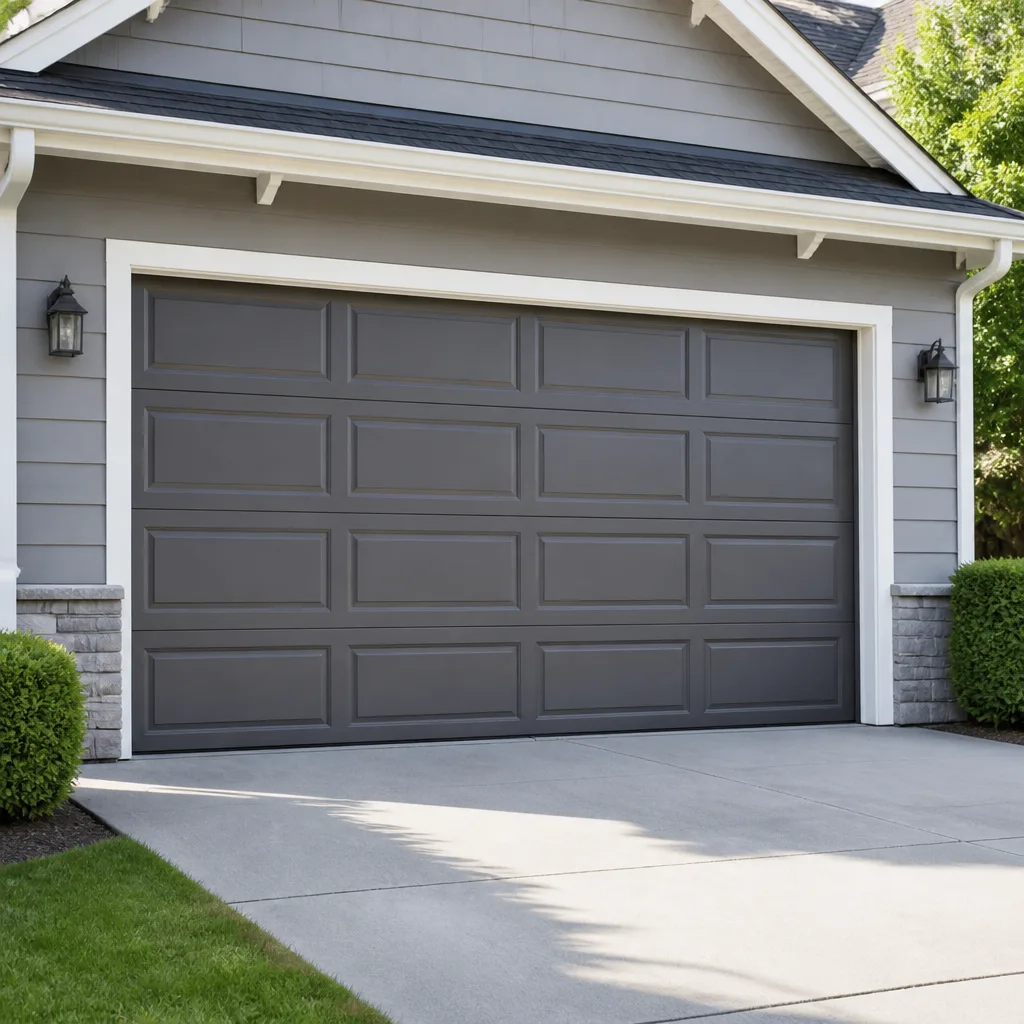 Raised-panel steel
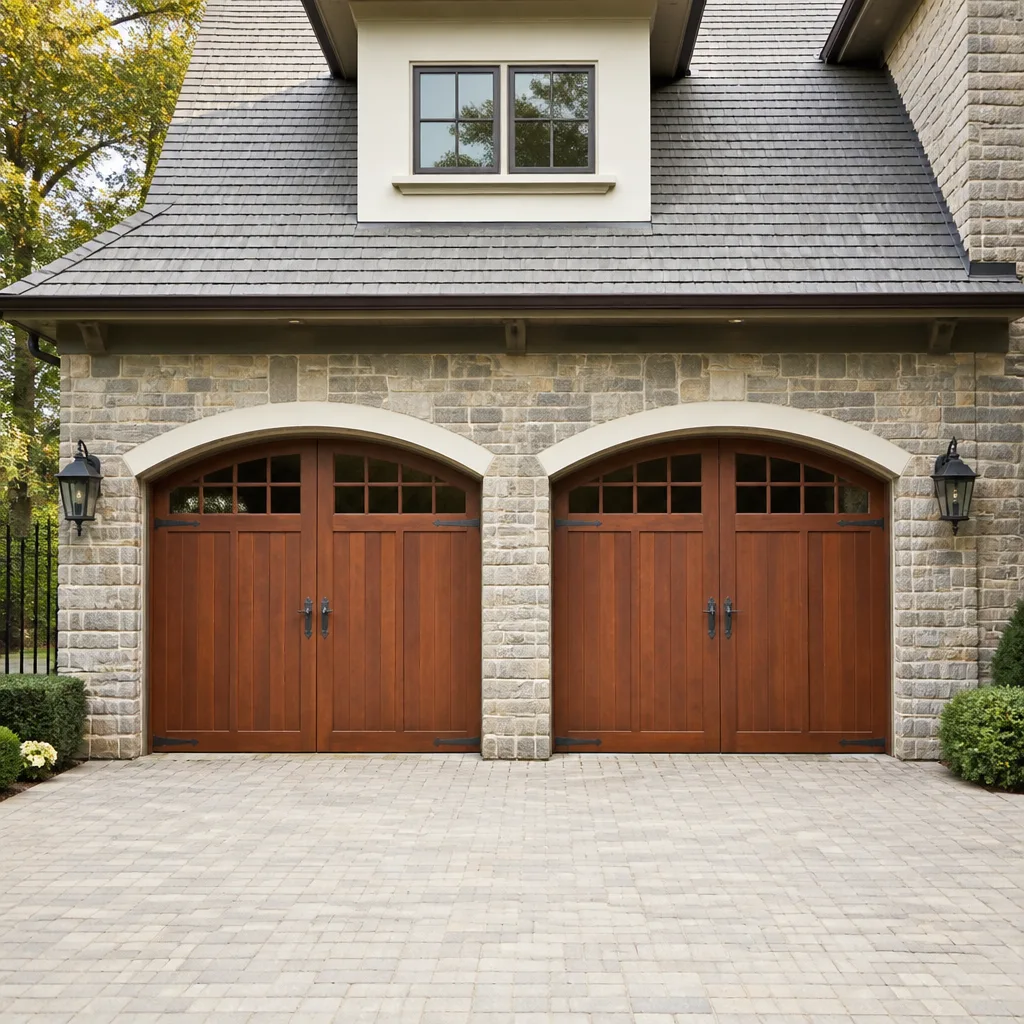 Carriage house
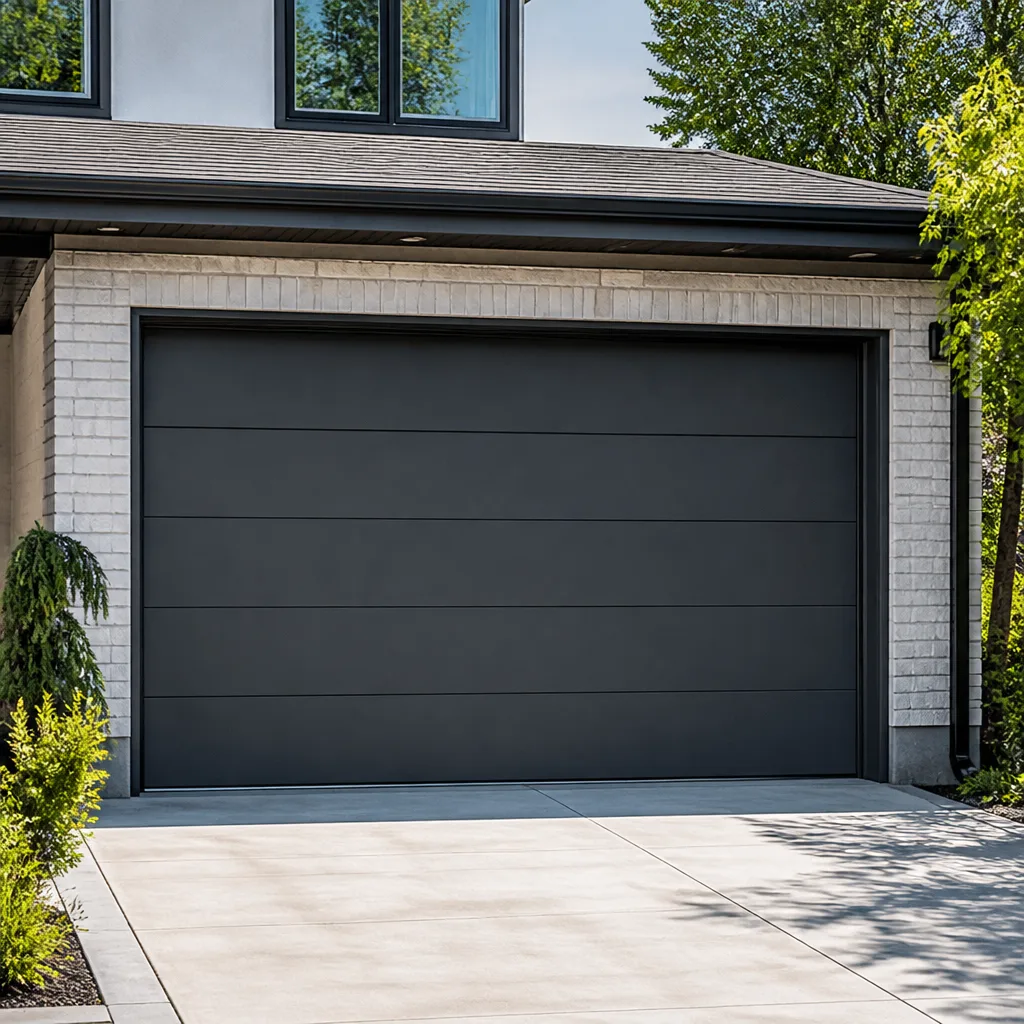 Modern flush
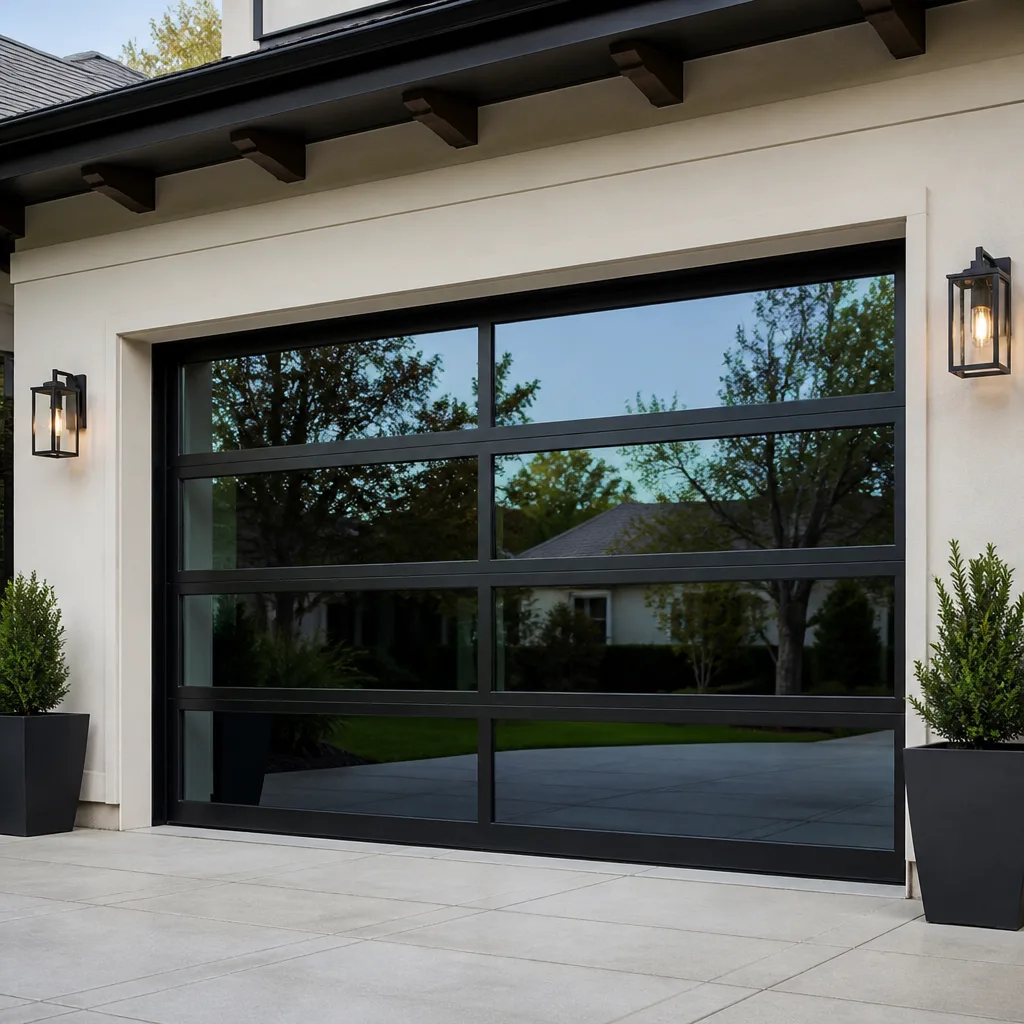 Full-view glass
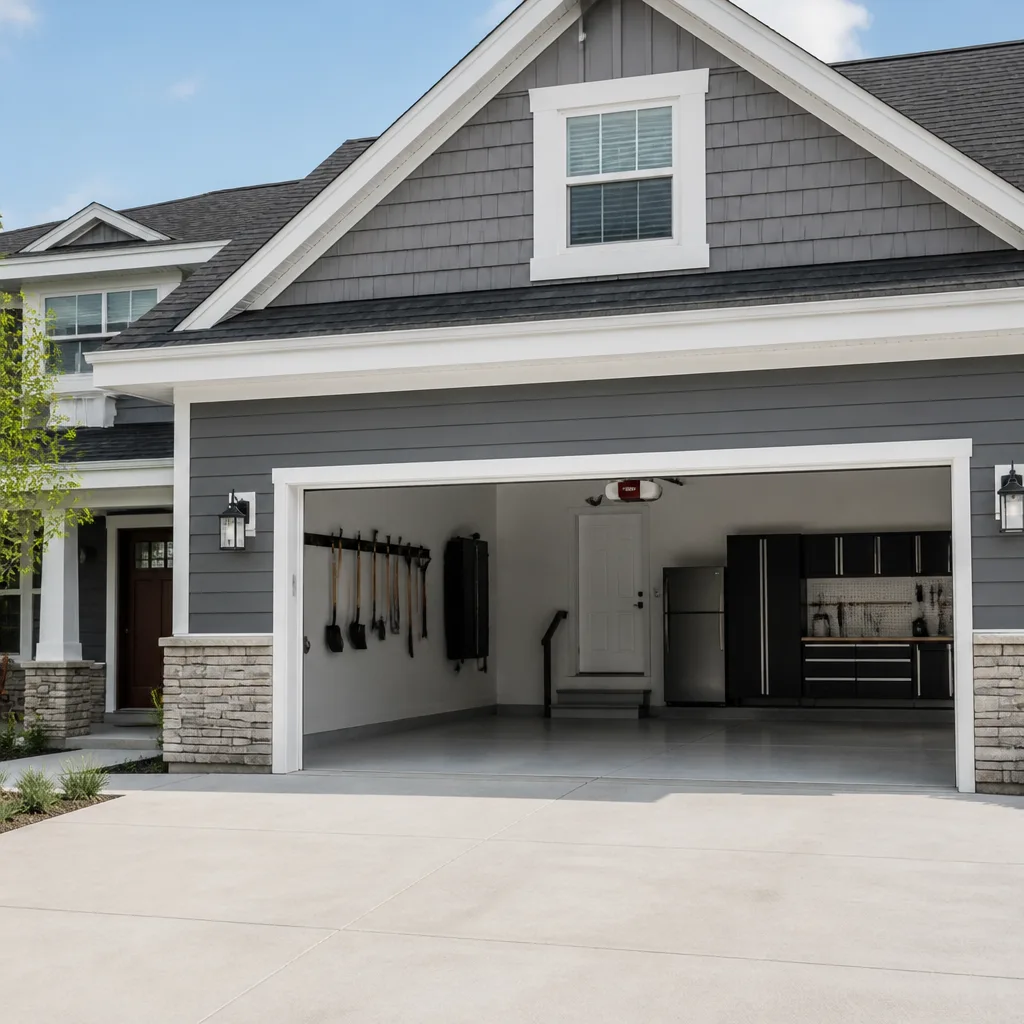 LiftMaster openers
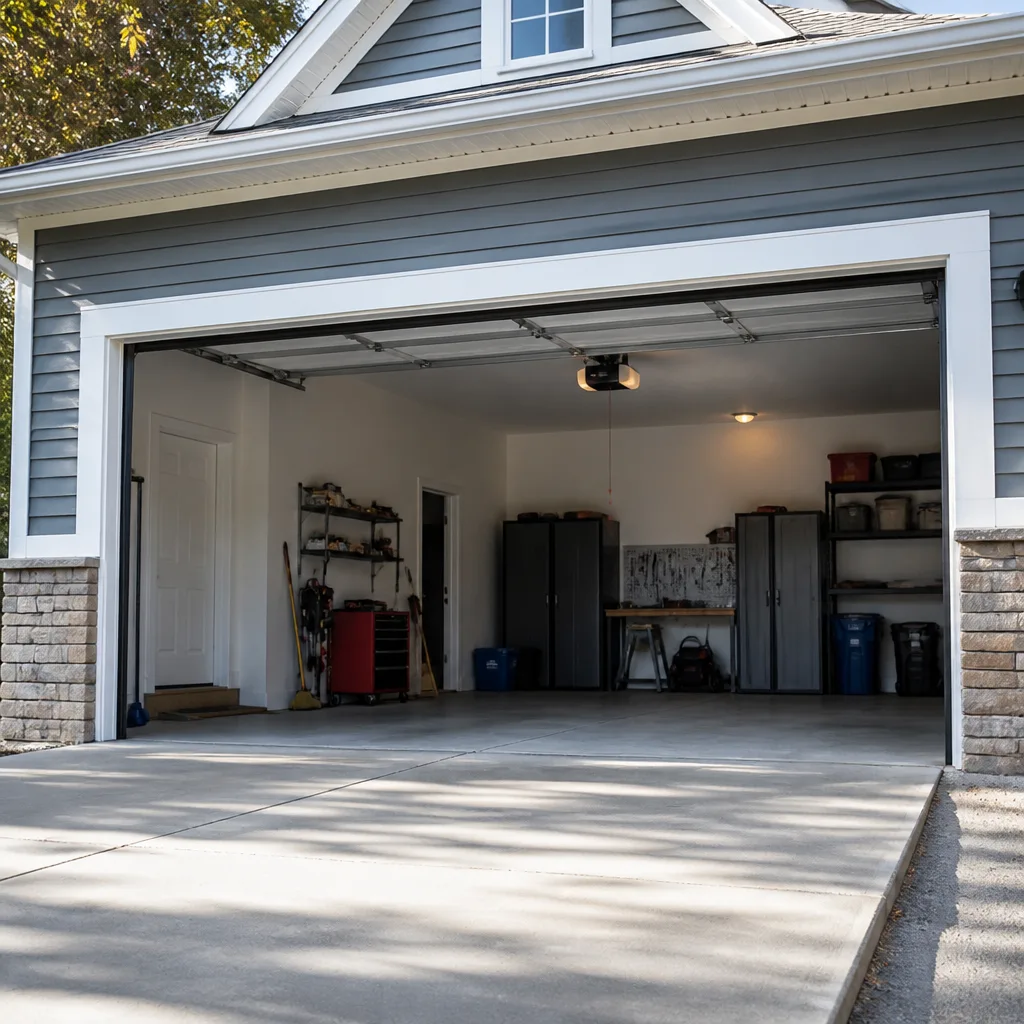 Chamberlain openers
Full 25-point door and opener safety check with every visit - springs, cables, rollers, tracks, and your LiftMaster or Chamberlain opener included
You get a price before we start. It does not change when the pro arrives.
Get your free estimateGarage Door Repair Maintenance Checklist for LaGrange Homeowners
Most garage door problems that turn into emergency calls don’t start as emergencies. They start as small, visible clues that sit unnoticed for months. In our experience across LaGrange, the number-one source of preventable emergencies isn’t a snapped spring at all; it’s a cable that was already fraying when a ten-minute monthly check would have caught it half a year earlier. The manufacturer’s generic checklist in your opener manual won’t help much here, because it wasn’t written for Georgia humidity, heavy spring pollen, or the way doors in this part of the state actually wear. This guide is built from the repair patterns we see repeatedly on doors around LaGrange, and it walks you through what to check, what to clean, what to lubricate, and which sounds mean stop now.
Quick Answer
A working garage door maintenance routine for LaGrange homeowners means a monthly visual check for rust, cable fraying, and seal swelling caused by humidity; a quarterly balance test; a seasonal lubrication schedule matched to each component; and prompt cleaning of photo-eye sensors during pollen season. Small checks catch the failures that turn into emergency calls. Anything involving springs, cables under tension, or opener electrical parts should go to a trained specialist.
Styles & brands we work with
- Raised-panel steel
- Carriage house
- Modern flush
- Full-view glass
- LiftMaster openers
- Chamberlain openers
Key Takeaways
- Monthly checks focus on rust blooms on bottom brackets, cable kinks near the drums, and weather seal swelling – the three humidity-driven failures we see most in LaGrange.
- The quarterly balance test catches a door drifting off track before it becomes visibly crooked.
- Rollers, hinges, springs, and tracks each need a different lubricant. The wrong product attracts grit and speeds up wear.
- Pollen season clogs photo-eye lenses faster here than in drier climates, and a dirty lens mimics a much more expensive opener fault.
- Growling and rattling are usually a scheduling signal. A loud crack followed by a door that won’t lift is a stop-using-it-now signal.
- Anything involving springs or cables under tension belongs to a trained technician, not a homeowner with a ladder.
See the difference
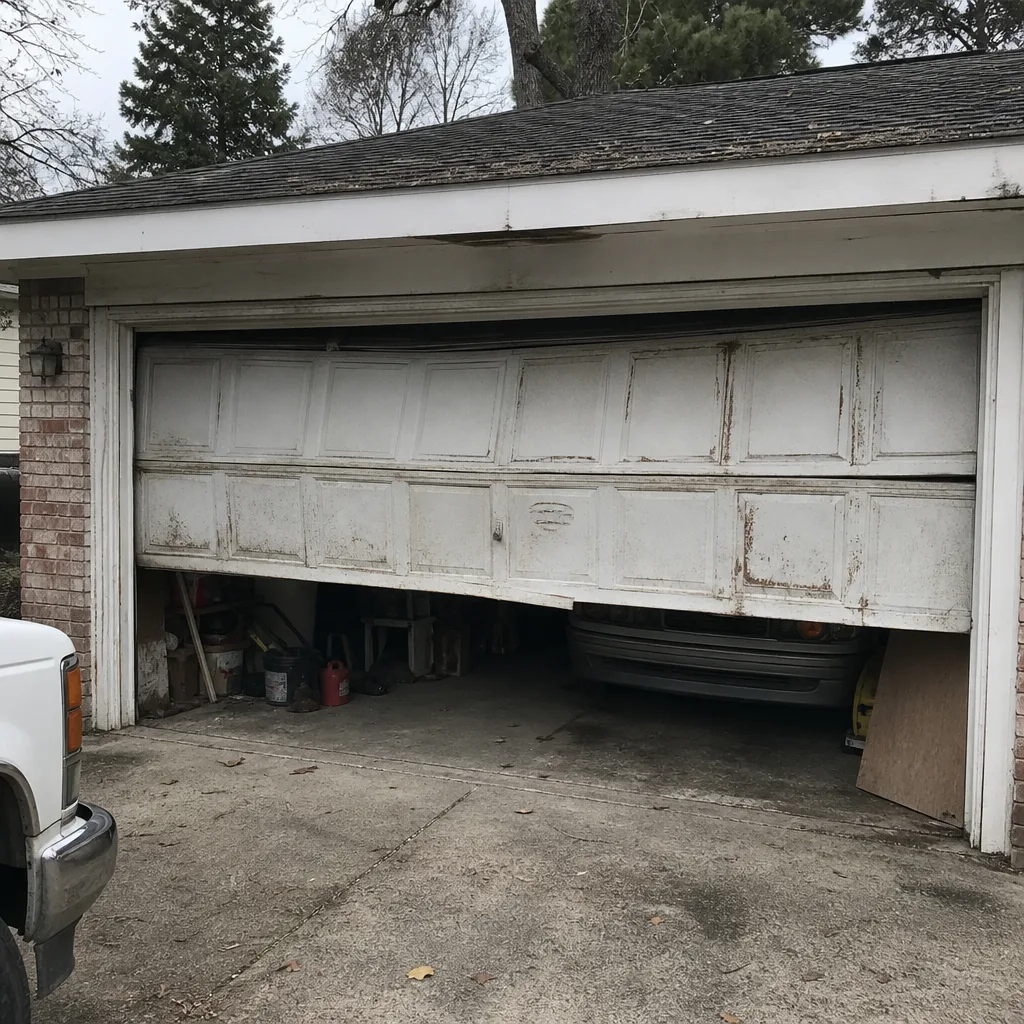 Before
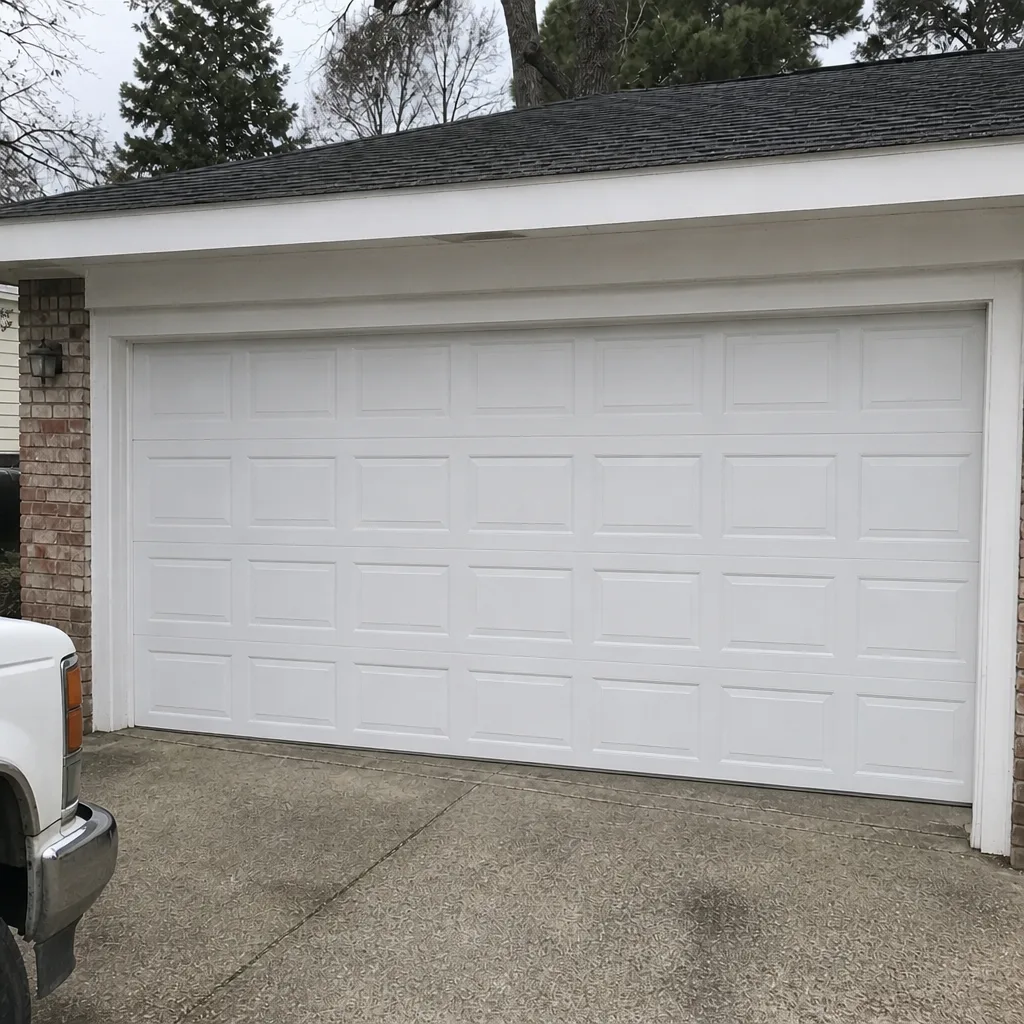 After
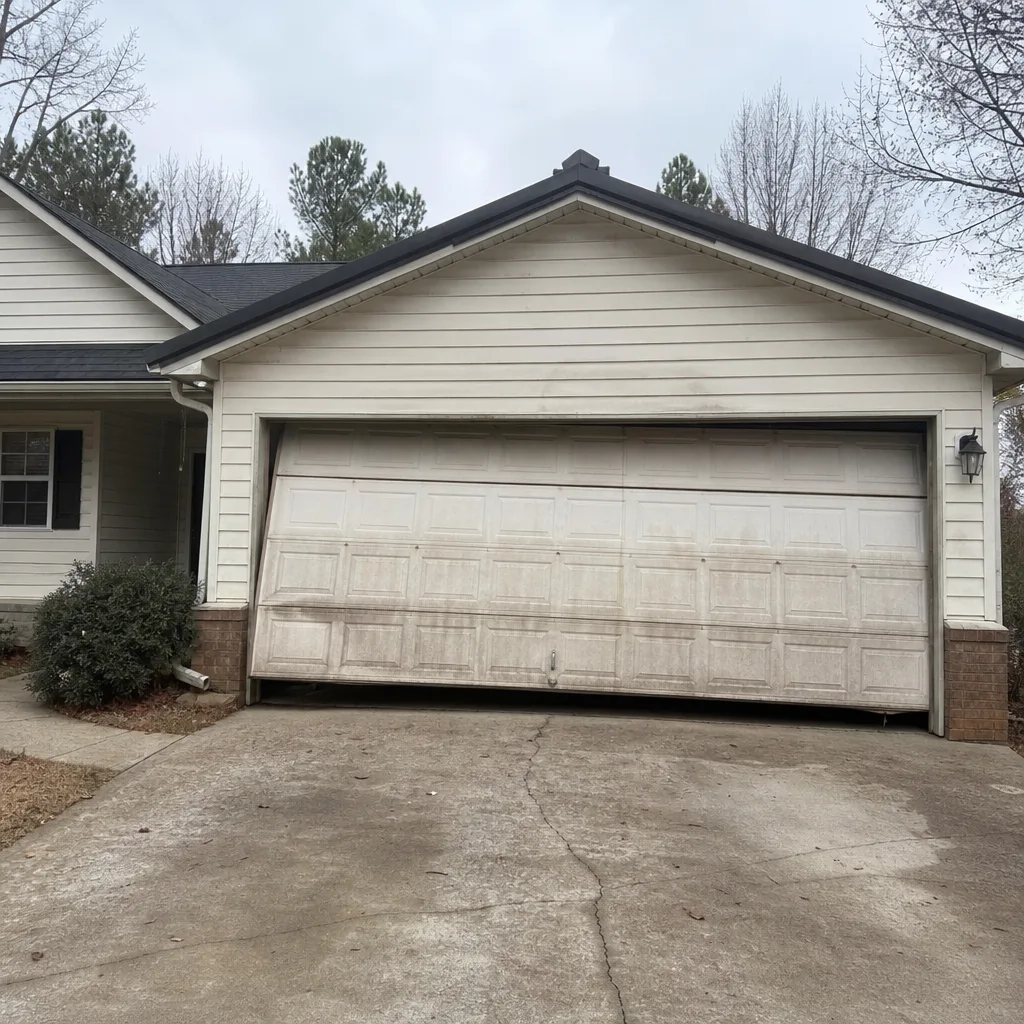 Before
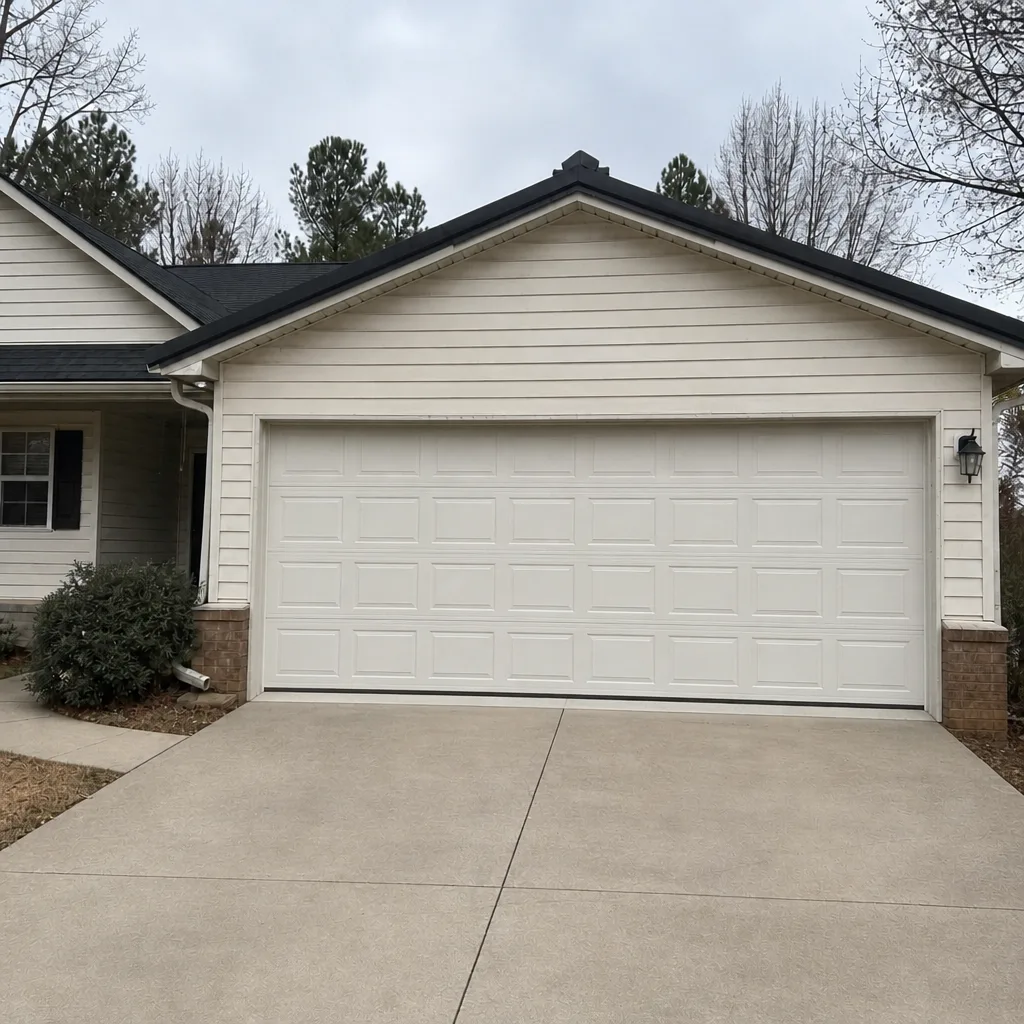 After
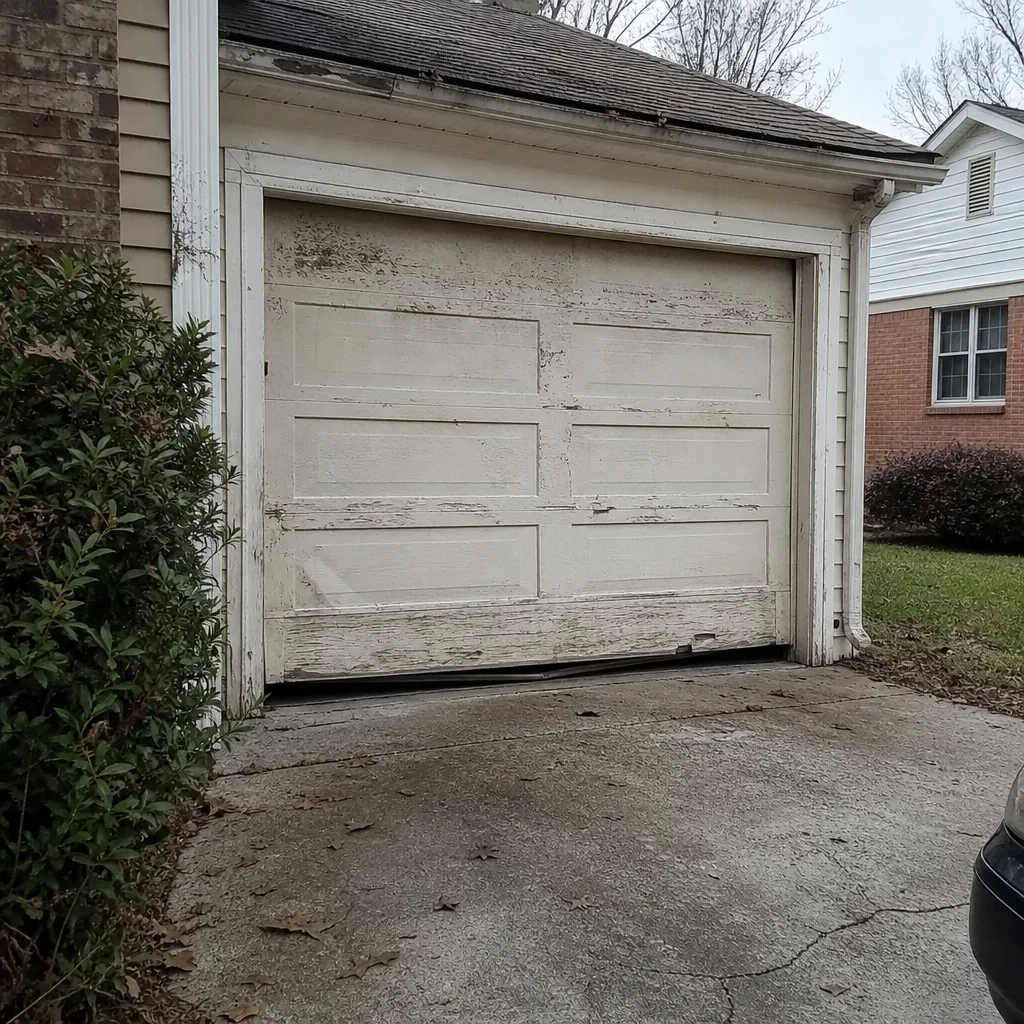 Before
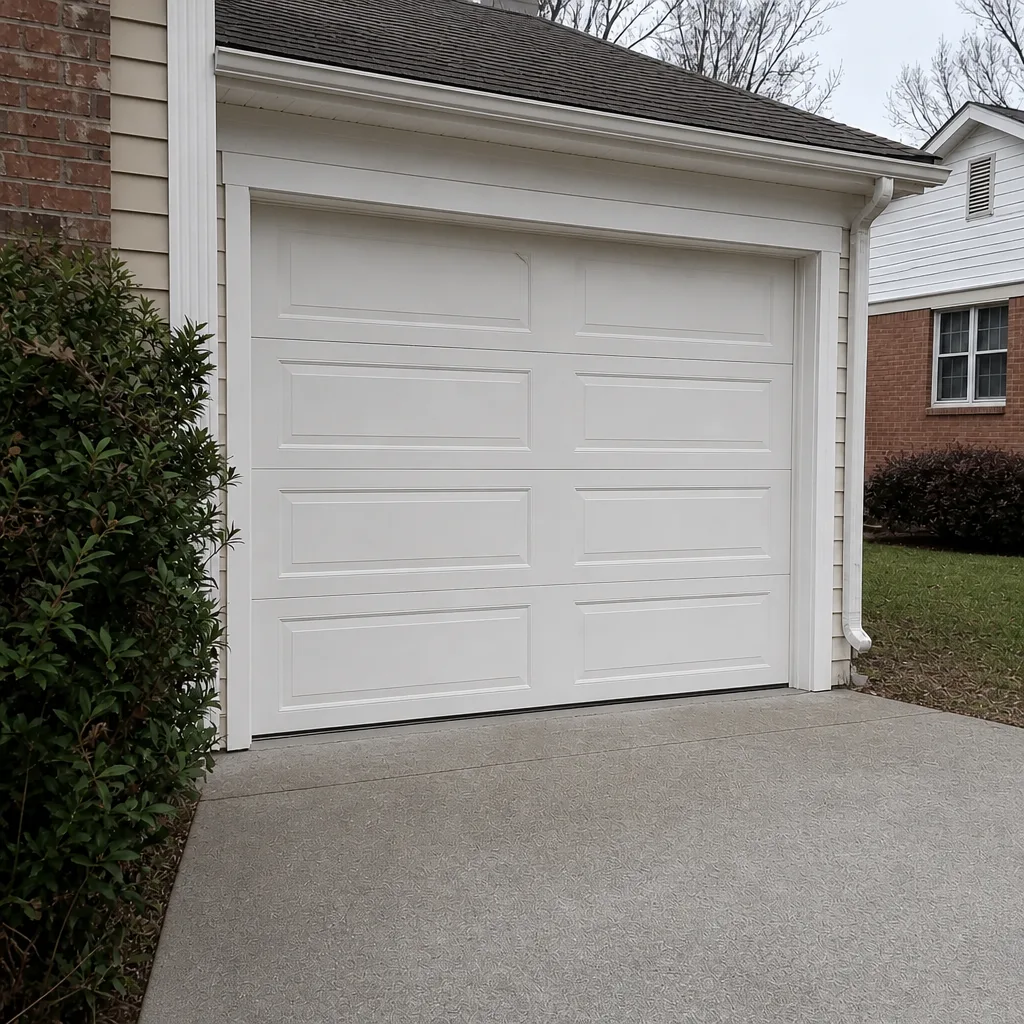 After
Table of Contents
- Why a LaGrange-Specific Checklist Matters
- Your Monthly Visual Inspection
- The Quarterly Balance Test
- The Lubrication Schedule, Component by Component
- Pollen Season and Your Photo-Eye Sensors
- The Sounds That Mean Schedule vs. Stop Now
- Weather Seals, Tracks, and the Georgia Season Change
- When a Checklist Becomes a Service Call
Why a LaGrange-Specific Checklist Matters
Generic maintenance calendars are written for a hypothetical average climate. LaGrange doesn’t have one. The combination of long humid summers, a heavy spring pollen load, and the temperature swings we get in the cooler months puts garage door hardware through a specific cycle of stress that a dry-climate checklist simply doesn’t anticipate. Rust forms on components that never see direct rain because condensation sits on cold steel overnight. Seals swell and lose their grip. Cables develop kinks where they run over the drums.
Then there’s the pollen. In our experience around LaGrange, spring coats every horizontal surface in a fine yellow-green film, and the two small photo-eye lenses at the bottom of your door tracks are horizontal surfaces. When they’re coated, the opener reads a blocked path and refuses to close the door, or worse, closes it and reopens halfway, which is exactly the behavior that makes people assume the opener is failing.
Housing here also matters. Many LaGrange homes have attached garages that double as the main entry point, so the door gets cycled several times a day instead of once. More cycles mean faster wear on springs, rollers, and hinges. A checklist calibrated to that reality catches problems weeks before they strand you. Understanding your door’s specific hardware helps too – whether that’s a LiftMaster opener, a Chamberlain unit, or a Clopay or Amarr door – because wear patterns vary by manufacturer.
Your Monthly Visual Inspection
This is the ten-minute check that prevents most emergency calls, and you don’t need any tools beyond a flashlight. Do it with the door closed first, then again with it open, and look for the three humidity-driven problems that show up repeatedly on LaGrange doors.
- Rust blooms on the bottom brackets. Look at the metal brackets where the cables attach at each bottom corner. A light orange tint is early rust; flaking or pitting means the bracket has been wet for a while. Wipe it and note whether it returns within a month.
- Cable kinking near the drums. With the door open, follow each cable up toward the drum at the top corner. The cable should wind in smooth, even coils. Any kink, birdcage, or frayed strand is a fail – stop using the door and schedule garage door repair.
- Weather seal swelling. Run your hand along the bottom rubber seal. If it feels soft, gummy, or has pulled away from the aluminum retainer, it’s swelling from humidity. A swollen seal drags on the floor and forces the opener to work harder.
- Loose hinge screws. Give each hinge a light wiggle. A screw that turns freely is working its way out; tighten it once and check again next month.
- Track alignment. Stand at one side and sight down the vertical track. Both tracks should be plumb and parallel. A gap that widens toward the top means the track has shifted.
Keep a note of anything you tighten or wipe. If the same item needs attention two months in a row, that’s your cue to call for a proper inspection rather than keep patching it.
The Quarterly Balance Test
An off-balance door is one of the most common causes of premature opener failure, and most homeowners never test for it because they don’t know what “off-balance” actually looks like on a door that isn’t dramatically crooked yet. It rarely means a door hanging sideways. It usually means a door that feels heavy, drifts when released, or slams harder than it used to.
Here’s the test, done once a season:
- Close the door, then pull the manual release cord to disconnect the opener. You’re testing the door, not the motor.
- Lift the door by hand to about waist height, then let go.
- A balanced door stays within an inch or two of where you left it. It does not roll back down to the floor, and it does not rise on its own.
- Repeat at the halfway point and again near the top.
- Reconnect the opener and run the door once to confirm the release has re-engaged.
If the door sinks to the floor from waist height, the springs have lost tension. If it rises on its own, they’re over-tensioned. Either way, don’t adjust the springs yourself; that’s garage door spring repair territory and the most dangerous adjustment on the door. What the test gives you is a clear date and symptom to report when you call. A door that fails the balance test also loads the opener, so your garage door opener repair needs may be a symptom rather than the root problem.
For LaGrange homeowners, run this test when the seasons turn. The temperature swing from summer to fall, and again into spring, is when spring tension shifts most noticeably.
The Lubrication Schedule, Component by Component
Almost every “lubricate your garage door” article treats the door as one unit. It isn’t. Rollers, hinges, springs, and tracks each need different treatment, and some components should be left alone. Using the wrong product is how you attract grit and speed up wear instead of reducing it.
- Rollers: Nylon rollers can be left largely alone; steel rollers benefit from a light application of a silicone-based lubricant on the stem, not the wheel. Two or three times a year is plenty.
- Hinges: A drop of silicone lubricant on each hinge pivot, twice a year. Don’t load them up; excess collects dirt.
- Springs: A light coat of silicone is fine to slow surface rust, but never grease them and never try to adjust tension to “loosen” them. Replacement is the fix when they fail.
- Tracks: Clean with a dry cloth and leave them dry. Never grease the tracks – the rollers must roll, not slide, and grease stops them rolling.
- Bottom seal: A silicone spray along the rubber keeps it flexible through the humid season and reduces drag on the floor.
Twice a year is the honest baseline: once as the weather warms, once going into the cooler months. In our experience, the doors that last longest in LaGrange are the ones getting that two-touch routine, not the ones getting a heavy coat once a year.
Pollen Season and Your Photo-Eye Sensors
The two small lenses mounted near the floor at each side of the door are the safety sensors that stop the door from closing on something in its path. If either is dirty or misaligned, the door won’t close reliably. Pollen season in LaGrange clogs these lenses faster than in drier climates, and the resulting symptom – a door that goes up but won’t come down – looks exactly like an opener failure. More than once, a “broken opener” has turned out to be a lens with pollen on it.
- Turn the opener off at the wall switch before touching anything near the sensors.
- Wipe each lens with a dry microfiber cloth. If it’s sticky, use a cloth barely dampened with water – no solvents, which can cloud the plastic.
- Check that the small indicator light on each sensor is steady, not blinking. A blinking light means either a dirty lens or a misaligned pair.
- If one lens is loose, straighten it so it faces the other, then test by passing an object through the beam.
- Add this wipe-down to your monthly routine during spring rather than only when the door misbehaves.
If the door still won’t close after a clean, the problem is electrical, and that’s the point to bring in a technician rather than start disconnecting wires. If you have a LiftMaster, Chamberlain, or Genie opener, the sensor behavior is diagnostic – a trained eye reads the indicator pattern in seconds. Keep the original manual so you can confirm how your unit signals a sensor fault.
The Sounds That Mean Schedule vs. Stop Now
A garage door is a machine, and machines talk. The trick is knowing which sounds you can live with for a week and which mean the door should not move again until a technician sees it.
Schedule a call within a few days:
- A low growl or rumble that builds as the door opens – usually worn rollers or a dry bearing.
- Rattling from one hinge that you can’t trace by eye – often a worn hinge or a loose bracket.
- A repeated thump at the top or bottom of travel – the opener’s travel limits may need adjusting.
- A faint squeak on one side only – often a roller that needs attention or a track slightly out of line.
Stop using the door and call now:
- A loud crack, snap, or pop, followed by the door feeling heavy or refusing to lift – this usually points to a spring failure.
- Any grinding from the opener itself, especially if accompanied by the door moving unevenly.
- A cable that has come off the drum or is visibly tangled – the door is not safe to operate.
- The door dropping or slamming shut when released – a sign of a loss of spring tension.
The crack-and-drop pattern is the classic spring failure. If you hear it, don’t try to open the door to “see if it’s still working.” A broken spring leaves the full weight of the door unsupported, and moving it can cause injury or bend the tracks. Call and stop – when your door won’t open or won’t stay closed, that’s not a tomorrow problem.
Weather Seals, Tracks, and the Georgia Season Change
Two things happen to a garage door in Georgia that the average checklist ignores: the seals swell, and the tracks shift. Both are seasonal, and both are cheap to address when caught early.
Weather seals are the rubber strips along the bottom and sides of the door. In humidity, they absorb moisture, soften, and lose their shape. A swollen bottom seal drags on the floor, which loads the opener and the springs. Check the seal with your hand after a wet stretch – if it’s mushy or stays flattened where you press it, plan to replace it before the next season. Side and top seals follow the same logic: if you can see daylight through them when the door is closed, they need attention.
Track movement is subtler. As temperatures swing, the wood framing the tracks can shift slightly, and the tracks move with it. A track that has been pushed a few millimeters out of line makes the door drag, which shows up first as noise and later as uneven travel. The monthly sight-down-the-track check catches this. If you can’t get both tracks parallel and plumb, don’t force them – bring in a technician to re-align them properly.
The bottom line on both: a door sealed and tracked properly runs quieter, needs less spring tension, and lasts longer. That’s true for a Clopay carriage door as much as for a Wayne Dalton steel door, and it’s true whether the opener is a Craftsman or a Raynor. Garage doors are all we do, and we work on your brand.
Common Mistakes to Avoid
- Greasing the tracks. Grease stops the rollers rolling, and they start sliding instead – which means square, flat spots on the wheels and a much louder door within weeks. Leave the tracks dry and clean.
- Ignoring a small cable kink. A kink near the drum is the early stage of a cable failure. A ten-minute check two months earlier would have been a scheduled repair instead of a stuck-door emergency.
- Forcing a door that won’t close. If the photo-eye sensor is the fault, forcing the door turns a five-minute lens cleaning into a bent panel or a stripped opener gear.
- Adjusting the springs yourself. Spring tension adjustment is the most dangerous part of the whole system and should not be a homeowner job. Call a technician. Spring replacement is one of the most dangerous DIY repairs on a home, and it’s the right call to let a specialist handle it.
- Skipping the balance test for years. An off-balance door quietly wears out the opener and the springs. Testing quarterly is the cheapest form of insurance on the door.
- Wiping the photo-eye lenses with a solvent. Harsh cleaners cloud the plastic and reduce the sensor’s range. A dry cloth is all you need.
- Assuming a rattle is normal. Every door makes some noise, but a new rattle that you can point to a specific hinge is a scheduling signal, not background music.
- Using the wrong product on springs. Heavy grease traps pollen and grit on the spring and speeds up surface rust. A light silicone coat is enough.
When a Checklist Becomes a Service Call
The checklist will carry you a long way. What it can’t do is handle the work that needs a trained hand and the right tools. Anything involving the springs, the cables, the drums, or the opener’s electrical internals is a professional job, full stop. If a spring has failed, if a cable is kinked or off the drum, if the door has dropped or gone crooked, or if the opener keeps re-opening after a clean and re-align of the sensors, that’s the point to call.
We’ve seen how a small missed problem compounds: a swollen seal loads the opener, the opener strains the springs, a spring fails and the door comes down hard. The checklist is how you break that chain. When it does need service, Garage Door Repair LaGrange offers free estimates in LaGrange – call (844) 543-1802. We answer 24/7. Fast dispatch from 7am to 7pm, Sunday through Friday. The price is quoted and agreed before any work starts, and the written estimate sets the final price.
Frequently Asked Questions
Monthly for a visual inspection, quarterly for a balance test, and twice a year for lubrication. LaGrange’s humidity and pollen load mean the visual and sensor checks matter more than in drier climates, so a quick monthly walk-around pays off. Call (844) 543-1802 for a free estimate if anything looks off.
A fraying cable that was visible for months before it failed. Cables kink and fray near the drums as they run in and out, and a monthly glance during the closed-door check catches it long before it strands you. If you see a kink or a frayed strand, stop using the door and call (844) 543-1802.
Yes for rollers, hinges, and the bottom seal, using a silicone-based lubricant – and no for springs, which need only a light silicone coat, and never for tracks, which stay dry. Never grease the tracks or grease the springs. If you’re not sure which component needs what, call (844) 543-1802 for a free estimate.
Most often, it’s a dirty or misaligned photo-eye sensor, and pollen season in LaGrange makes this especially common. Wipe both lenses with a dry cloth and confirm the indicator lights are steady. If the door still won’t close after a clean and re-align, it’s an opener fault and worth a professional call – (844) 543-1802, estimate free.
Usually, yes. A sharp crack or snap followed by a door that feels heavy or won’t lift is the classic spring failure pattern, and the door should not be used again until it’s been inspected. Move nothing yourself near the springs and call (844) 543-1802. We answer 24/7 and can dispatch from 7am to 7pm, Sunday through Friday.
When the bottom seal feels soft, gummy, or stays flattened after you press it, or when you can see daylight through a closed door. Humidity in LaGrange swells rubber seals faster than in dry climates, so plan on checking at each season change. Call (844) 543-1802 for a free estimate if the seal is dragging.
The Bottom Line
The best garage door maintenance is the boring kind: a monthly look, a quarterly balance test, a two-touch lubrication routine, and a clean on the photo-eye lenses each spring. In LaGrange, that routine needs to account for humidity and pollen more than most checklists do, so focus on rust at the bottom brackets, cable kinks near the drums, and seals that swell and drag. Listen for the growl that means schedule and the crack that means stop. And when the checklist points to springs, cables, or opener internals, that’s trained-specialist work. Garage doors are all we do, and we’re ready to help when the routine runs out. Call (844) 543-1802 for a free estimate – we answer 24/7, with fast dispatch from 7am to 7pm, Sunday through Friday.
Written by the team at Garage Door Repair LaGrange.